

7 Common Morning Breath Causes and What You Can Do About Them
Understanding morning breath causes can help explain why many people wake up with an unpleasant taste or odor in their mouth. While morning breath is extremely common, it is often influenced by a combination of factors including saliva production, oral bacteria, tongue coating, hydration habits, and overall oral hygiene.
During sleep, the oral environment changes naturally. Saliva production slows, bacterial activity continues, and the mouth may become drier than it is during the day. These changes can create conditions that contribute to morning breath.
Fortunately, many of the factors associated with morning breath can be addressed through simple daily oral wellness habits.
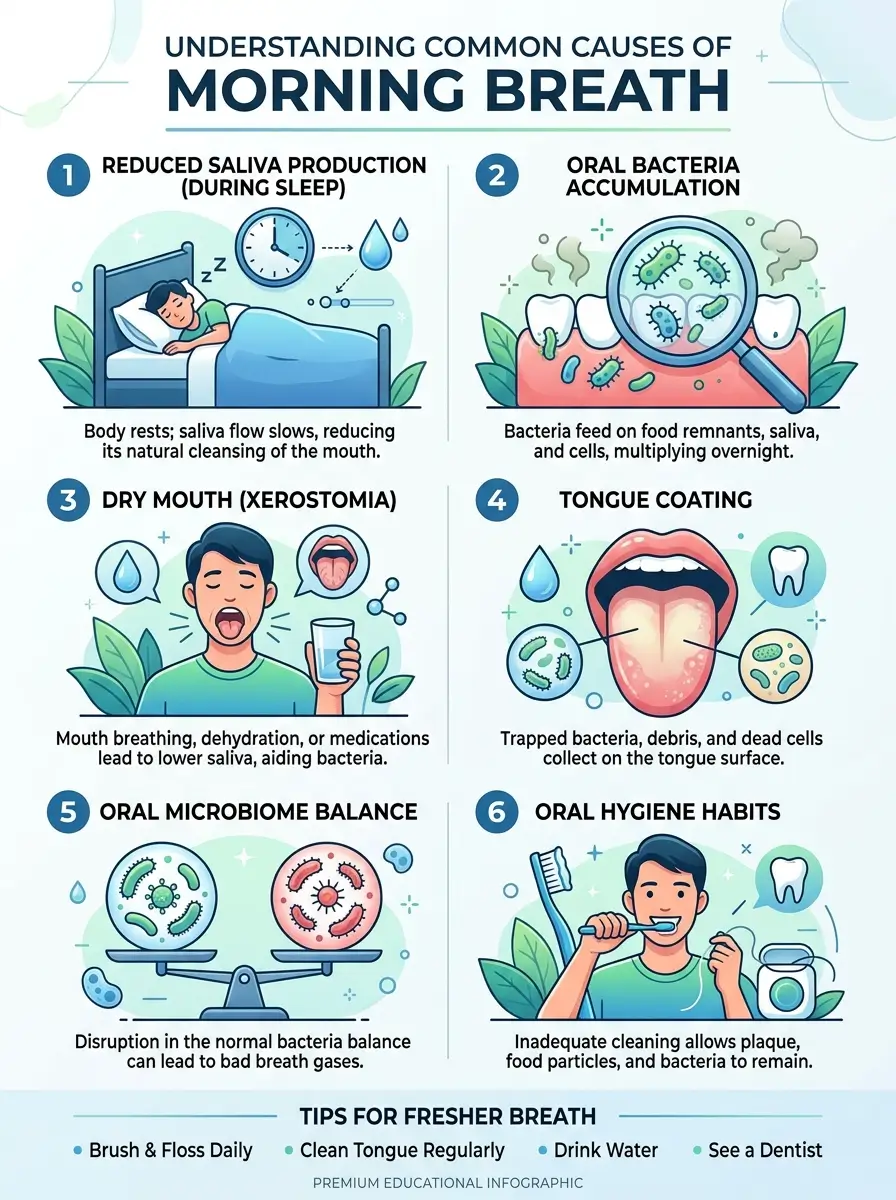
What Causes Morning Breath?
Morning breath typically develops while we sleep.
During the night:
- Saliva production naturally decreases
- Oral bacteria remain active
- The mouth may become drier
- Food particles and debris can remain in the oral environment
- Natural bacterial processes continue
These factors may contribute to the odors commonly associated with morning breath.
Morning Breath Is Usually Multifactorial
Many people assume morning breath has a single cause. In reality, several factors often work together, including saliva production, oral bacteria, tongue coating, hydration levels, and oral hygiene habits.
1. Reduced Saliva Production During Sleep
One of the most common morning breath causes is reduced saliva production.
Saliva helps maintain moisture in the mouth and assists in naturally washing away food particles and debris.
Because saliva production slows during sleep, the mouth may become less effective at clearing substances that can contribute to odor.
Learn more in How Saliva Supports Oral Health.
2. Natural Bacterial Activity Overnight
The mouth contains billions of microorganisms that remain active around the clock.
During sleep, oral bacteria continue interacting with food particles, proteins, and other substances naturally present in the oral environment.
Researchers continue studying the relationship between oral bacteria and fresh breath, making this one of the most frequently discussed topics in oral wellness.
3. Dry Mouth Habits
Dry mouth is another factor commonly associated with morning breath.
People may experience increased dryness due to:
- Sleeping with the mouth open
- Insufficient hydration
- Certain lifestyle habits
- Environmental factors
A drier oral environment may contribute to reduced comfort and increased awareness of morning breath.
Learn more in Dry Mouth and Bad Breath.
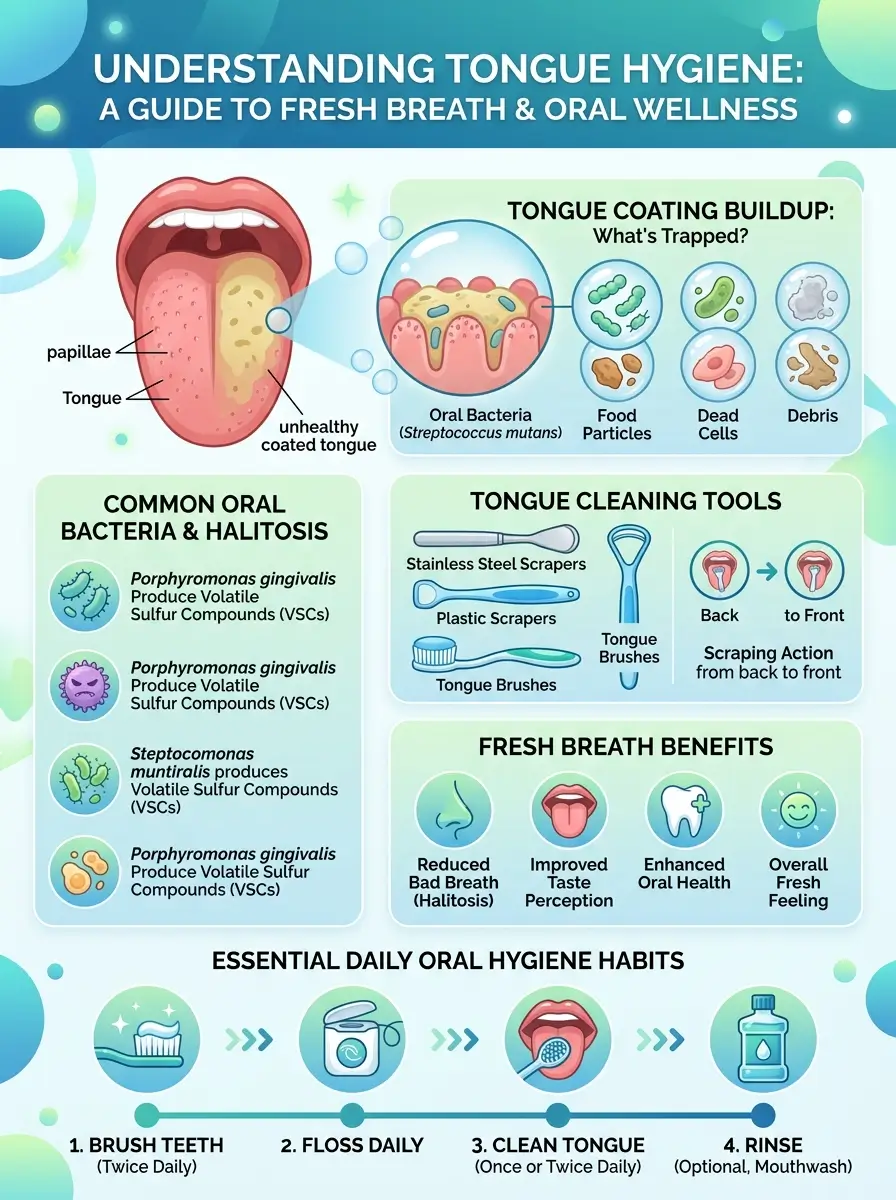
4. Poor Tongue Cleaning Habits
The tongue naturally collects bacteria, food particles, and debris throughout the day.
Without regular cleaning, this buildup may contribute to:
- Unpleasant breath
- Altered taste sensations
- Morning breath
- Oral discomfort
Many oral wellness routines now include gentle tongue cleaning as part of a more complete daily hygiene habit.
Learn more in Benefits of Tongue Cleaning.
5. Dietary Factors
Certain foods and beverages may influence breath odor.
While effects vary between individuals, commonly discussed factors include:
- Strongly flavored foods
- Sugary snacks
- Late-night eating habits
- Highly processed foods
Researchers continue exploring how nutrition and dietary patterns may influence the oral environment.
6. Inconsistent Oral Hygiene Habits
Daily oral hygiene routines play an important role in supporting oral wellness.
When brushing, flossing, or tongue cleaning habits become inconsistent, food particles and debris may remain in the mouth longer than intended.
Many oral wellness experts emphasize consistency as one of the most important factors in maintaining fresh breath habits.
7. Oral Microbiome Imbalance
The oral microbiome consists of billions of microorganisms that naturally live in the mouth.
Researchers continue investigating how changes in microbial balance may influence:
- Breath freshness
- Oral comfort
- Saliva production
- Overall oral wellness
As scientific understanding evolves, the relationship between microbial balance and fresh breath remains an active area of study.
Learn more in Oral Microbiome Imbalance.
Quick Overview: Common Morning Breath Causes
| Morning Breath Cause | Why It Is Commonly Discussed |
|---|---|
| 💧 Reduced Saliva Production | Saliva naturally slows during sleep, which may contribute to dryness and reduced oral freshness. |
| 🦠 Overnight Bacterial Activity | Oral bacteria remain active during sleep and may interact with substances in the mouth overnight. |
| 😮 Dry Mouth Habits | Mouth breathing, low hydration, or environmental factors may contribute to a drier oral environment. |
| 👅 Poor Tongue Cleaning | The tongue can collect bacteria and debris that may contribute to morning breath. |
| 🍽️ Dietary Factors | Strongly flavored foods, sugary snacks, and late-night eating habits may influence breath odor. |
| 🪥 Inconsistent Oral Hygiene | Irregular brushing, flossing, or tongue cleaning may allow debris to remain in the mouth longer. |
| 🧬 Oral Microbiome Imbalance | Changes in microbial balance are frequently discussed in relation to breath freshness and oral comfort. |
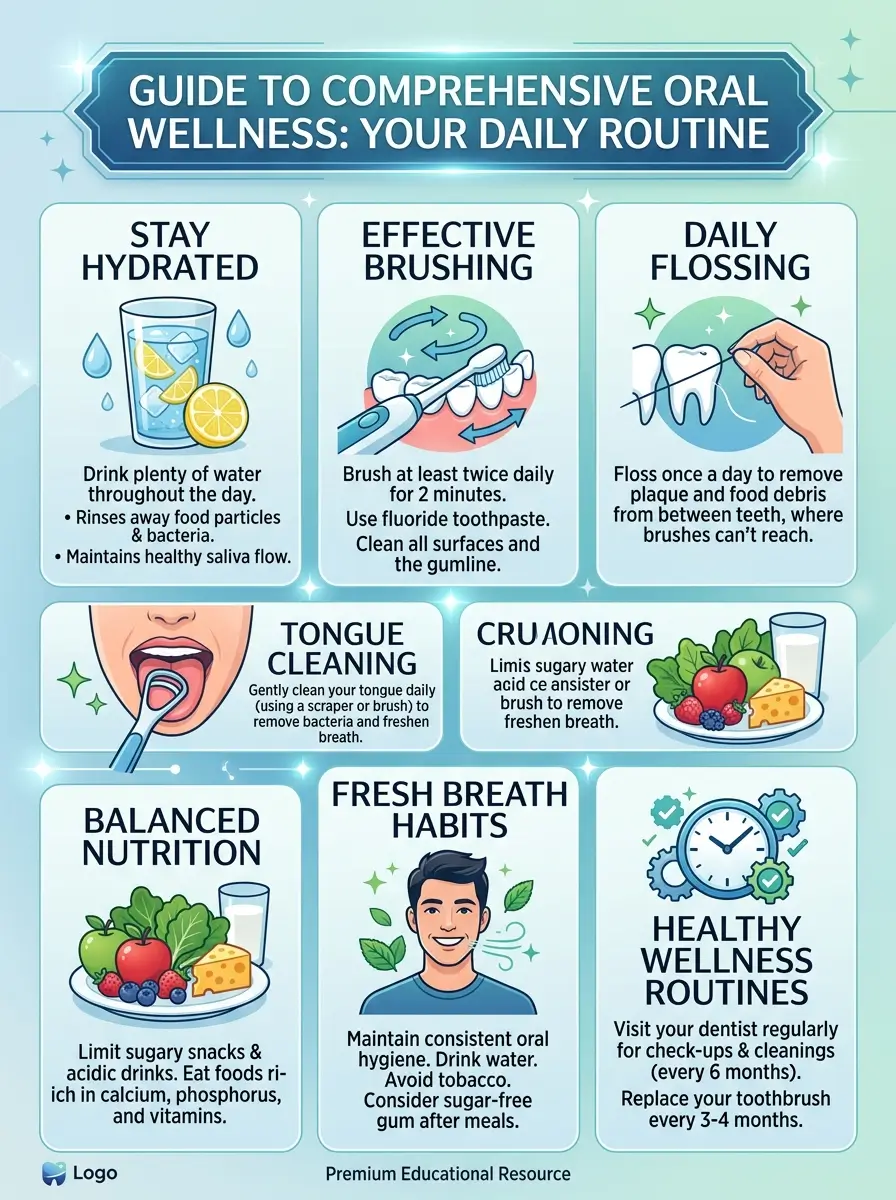
How to Improve Morning Breath Naturally
Many people find that simple daily habits may help support fresher breath in the morning.
Common strategies include:
- Staying hydrated throughout the day
- Brushing consistently
- Flossing daily
- Cleaning the tongue regularly
- Maintaining balanced nutrition
- Supporting overall oral wellness habits
Consistency often plays a larger role than complexity when building a sustainable routine.
Why Scientists Study Morning Breath
Researchers continue studying morning breath because it provides insight into the oral environment, saliva production, bacterial activity, and oral microbiome dynamics. Although many factors contribute to breath odor, understanding these interactions helps expand knowledge of overall oral wellness.
Daily Habits That May Support Fresher Breath
Several oral wellness habits are frequently associated with fresh breath discussions.
These include:
Hydration
Adequate hydration supports saliva production and oral comfort.
Tongue Cleaning
Regular tongue cleaning may help reduce the accumulation of debris on the tongue’s surface.
Balanced Nutrition
Many people choose nutrition plans that emphasize whole foods and hydration.
Consistent Oral Hygiene
Brushing and flossing remain among the most commonly recommended oral wellness habits.
Fresh Breath Often Starts With Daily Habits
Morning breath is a common experience for many people. Consistent oral hygiene, hydration, tongue cleaning, and balanced lifestyle habits may help support a fresher and more comfortable oral environment over time.
Looking for More Fresh Breath Tips?
Explore our educational guides covering oral bacteria, saliva production, oral microbiome balance, tongue cleaning, and other topics related to long-term oral wellness.
Recommended Reviews
Explore Our Top Oral Wellness Reviews
Looking for additional ways to support your oral wellness journey? Explore our in-depth reviews of some of the most popular oral health supplements and discover how they compare.
ProDentim

✅ Supports oral microbiome balance
✅ May help promote fresher breath
✅ Supports healthier gums
✅ Helps support daily oral wellness habits
✅ Designed to complement oral hygiene routines
ProvaDent

✅ Helps support fresher breath
✅ Supports healthier gums
✅ Promotes daily oral wellness habits
✅ Helps maintain a cleaner mouth feeling
✅ Complements brushing and flossing routines

Looking to build a healthier smile through simple daily habits? Our Complete Oral Wellness Guide brings together expert insights on oral hygiene, healthy gums, fresh breath, nutrition, saliva, and the oral microbiome to help you create a complete oral wellness routine.
Read the Complete Guide →Frequently Asked Questions About Morning Breath Causes
What causes morning breath?
Morning breath is commonly associated with reduced saliva production, overnight bacterial activity, dry mouth, tongue coating, and daily oral hygiene habits.
Is morning breath normal?
Yes. Many people experience some degree of morning breath due to natural changes that occur in the mouth during sleep.
Can dehydration worsen morning breath?
Hydration supports saliva production, so insufficient fluid intake may contribute to oral dryness and morning breath concerns.
Does tongue cleaning help with morning breath?
Many people include tongue cleaning in their oral hygiene routine because it may help reduce debris and buildup on the tongue.
Can oral bacteria contribute to morning breath?
Researchers continue studying how oral bacteria and microbial balance may influence breath freshness and oral wellness.
Want to discover what truly supports long-term breath freshness? Our Complete Guide to Fresh Breath and Oral Wellness explores the role of oral bacteria, saliva, hydration, tongue cleaning, nutrition, and daily habits to help you build a healthier and fresher oral environment.
Read the Complete Guide →Final Thoughts on Morning Breath Causes
Understanding the most common morning breath causes can help individuals make informed decisions about their oral wellness habits. Factors such as saliva production, oral bacteria, hydration, tongue cleaning, and daily hygiene practices all contribute to the oral environment during sleep.
While morning breath is a common experience, consistent oral wellness habits may help support fresher breath and greater oral comfort over time.
Ready to Explore Your Oral Wellness Options?
Whether you’re interested in supporting your oral microbiome, healthy gums, or overall oral wellness, our in-depth product reviews can help you make a more informed decision.
Explore Product Reviews