

Best Vitamins for Oral Health: 7 Important Nutrients for a Healthy Smile
Best vitamins for oral health is a topic frequently discussed by people interested in maintaining healthy teeth, comfortable gums, and overall oral wellness. While brushing, flossing, hydration, and regular dental care remain important foundations of oral health, nutrition also plays a role in supporting many of the body’s natural functions.
Researchers continue studying how vitamins and minerals contribute to overall wellness. Although no single nutrient can guarantee oral health, a balanced diet that includes essential vitamins and minerals is often considered part of a healthy lifestyle.
Understanding these nutrients can help you make informed dietary choices that support long-term oral wellness.
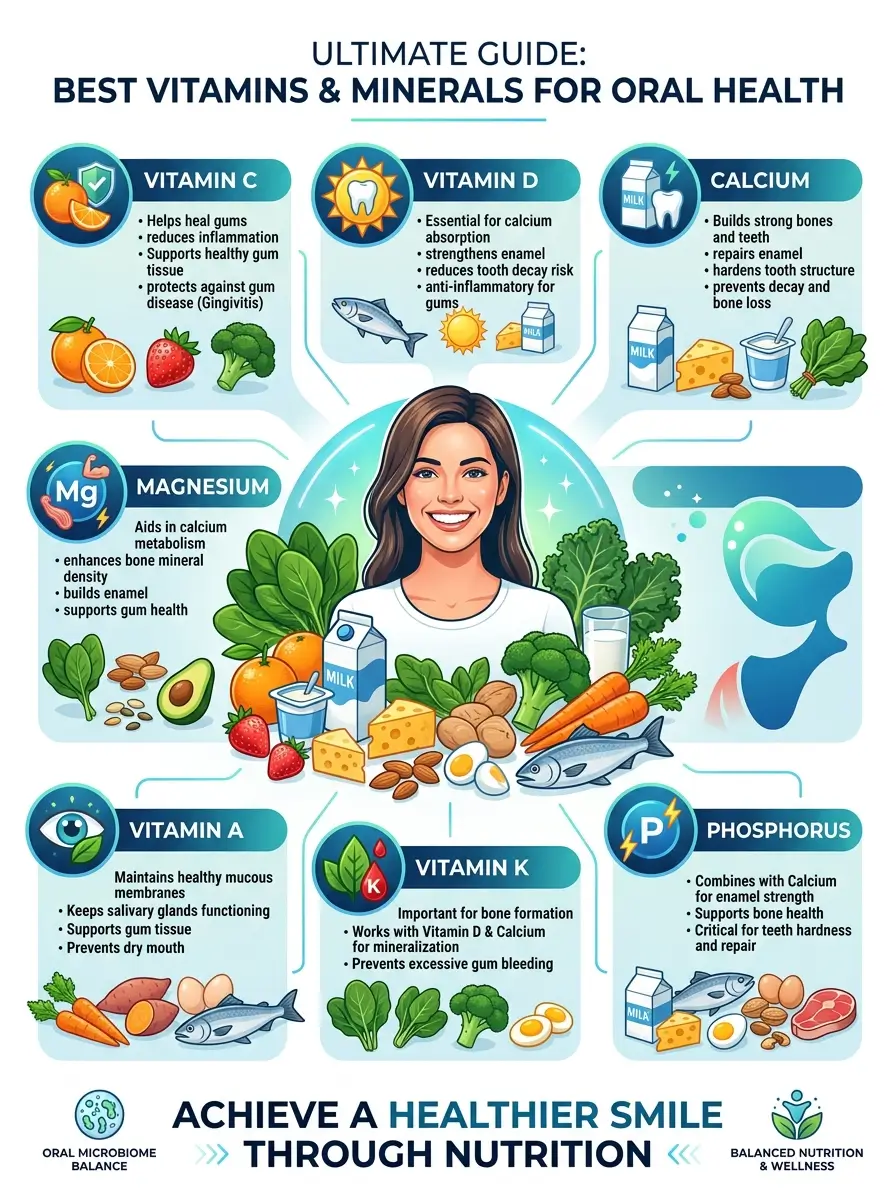
Why Nutrition Matters for Oral Wellness
Nutrition supports many functions throughout the body, including those related to oral wellness.
Researchers frequently study how dietary patterns may influence:
- Gum wellness
- Oral comfort
- Saliva production
- Overall wellness
- Long-term healthy habits
Because nutrition affects the entire body, it is commonly included in discussions about oral health.
Nutrition Works Best Alongside Healthy Habits
Vitamins and minerals are often discussed as part of oral wellness, but they work best when combined with consistent brushing, flossing, hydration, balanced nutrition, and healthy lifestyle habits.
1. Vitamin C
Vitamin C is one of the most frequently discussed nutrients in relation to gum wellness.
It is naturally found in foods such as:
- Oranges
- Strawberries
- Kiwi
- Bell peppers
- Broccoli
Many people include vitamin C-rich foods as part of a balanced nutrition plan focused on overall wellness.
Learn more in How to Keep Gums Healthy.
2. Vitamin D
Vitamin D continues to attract attention in health and wellness research.
Researchers often study vitamin D in relation to:
- Nutrient utilization
- Overall wellness
- Healthy lifestyle habits
- Long-term health support
Common dietary sources include fatty fish, eggs, and fortified foods.
3. Calcium
Calcium is widely recognized as one of the most important minerals in nutrition.
It is commonly discussed because it contributes to structures throughout the body, including teeth.
Foods rich in calcium include:
- Milk
- Yogurt
- Cheese
- Leafy greens
- Fortified foods
Calcium remains one of the most frequently mentioned nutrients in oral wellness conversations.
4. Magnesium
Magnesium is involved in numerous processes throughout the body.
Many people obtain magnesium from foods such as:
- Nuts
- Seeds
- Legumes
- Whole grains
- Leafy greens
Researchers continue studying the broader role of magnesium in overall wellness and nutrition.
5. Phosphorus
Phosphorus is another mineral commonly discussed alongside calcium.
It is naturally present in many foods, including:
- Dairy products
- Fish
- Poultry
- Beans
- Nuts
Because phosphorus and calcium often appear together in nutrition discussions, both are frequently mentioned in oral wellness content.
6. Vitamin A
Vitamin A plays an important role in overall nutrition.
Foods commonly associated with vitamin A include:
- Carrots
- Sweet potatoes
- Spinach
- Kale
- Eggs
It is frequently included in balanced nutrition plans and discussions about healthy tissues throughout the body.
7. Vitamin K
Vitamin K is commonly found in:
- Spinach
- Kale
- Broccoli
- Brussels sprouts
- Other leafy greens
Researchers continue studying the role of vitamin K within overall nutrition and wellness.
As interest in healthy eating grows, vitamin K remains a commonly discussed nutrient.
Why Researchers Continue Studying Nutrition and Oral Health
Nutrition remains one of the most active areas of wellness research. Scientists continue exploring how dietary patterns, vitamins, minerals, and lifestyle habits may contribute to overall health, including topics related to oral wellness and long-term healthy living.
Foods That Naturally Contain These Nutrients
Many whole foods contain combinations of vitamins and minerals rather than a single nutrient.
Examples include:
- Leafy greens
- Citrus fruits
- Dairy products
- Nuts and seeds
- Fish
- Colorful vegetables
Choosing a variety of nutrient-rich foods is often recommended as part of a balanced lifestyle.
Learn more in Foods for Healthy Gums and Foods That Support the Oral Microbiome.
Vitamins for Oral Wellness at a Glance
| Nutrient | Commonly Discussed Role |
|---|---|
| Vitamin C | Frequently associated with gum wellness. |
| Vitamin D | Often discussed in relation to nutrient utilization. |
| Calcium | Commonly linked to teeth structure. |
| Magnesium | Included in overall wellness discussions. |
| Phosphorus | Frequently discussed alongside calcium. |
| Vitamin A | Associated with oral tissue wellness discussions. |
| Vitamin K | Discussed within balanced nutrition topics. |
Balanced Nutrition Supports Overall Wellness
Oral wellness is often supported by a combination of healthy habits rather than a single nutrient. Consistent oral hygiene, hydration, physical activity, quality sleep, and balanced nutrition frequently work together to support long-term wellness goals.
Supporting Oral Wellness Starts With Everyday Habits
Some people also explore modern oral wellness supplements designed to support fresh breath habits, oral comfort, and overall oral wellness as part of a broader daily routine.
Learn More Through Our In-Depth Reviews Below.
Recommended Reviews
Explore Our Top Oral Wellness Reviews
Looking for additional ways to support your oral wellness journey? Explore our in-depth reviews of some of the most popular oral health supplements and discover how they compare.
ProDentim

✅ Supports oral microbiome balance
✅ May help promote fresher breath
✅ Supports healthier gums
✅ Helps support daily oral wellness habits
✅ Designed to complement oral hygiene routines
DentaSmile
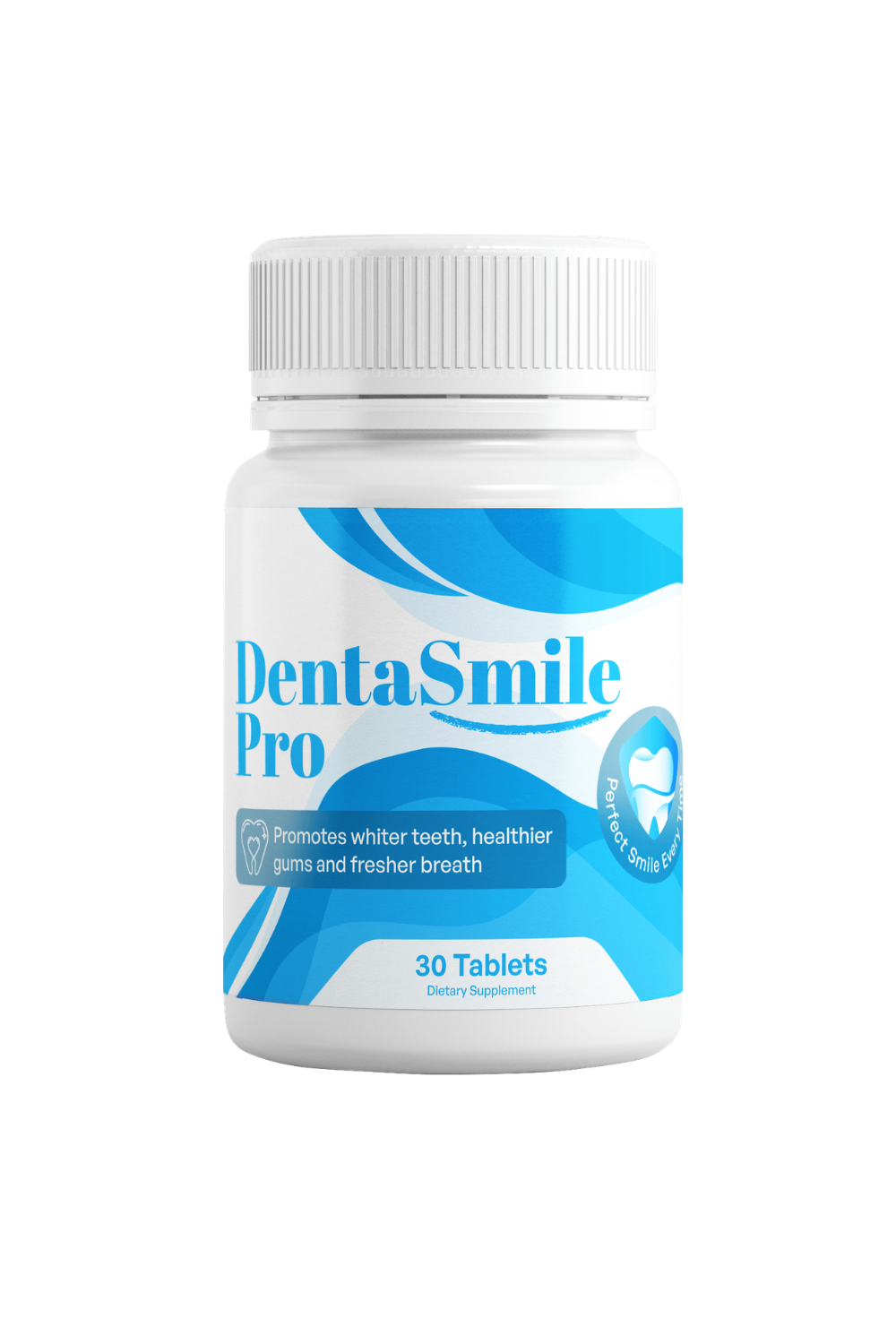
✅ Supports healthier smile routines
✅ Helps support fresh breath
✅ Promotes healthier oral habits
✅ Supports daily mouth wellness
✅ Complements oral care routines
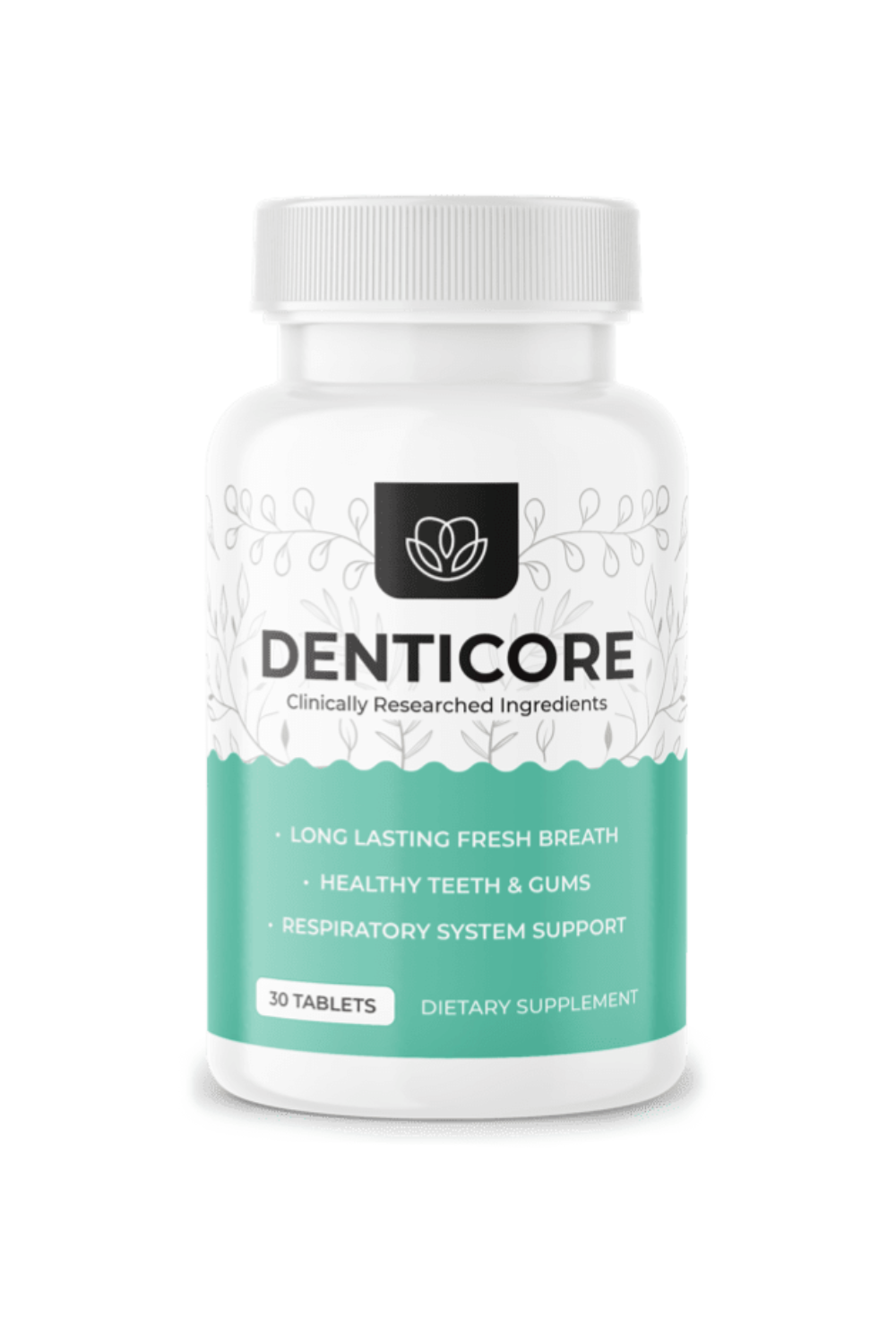
Looking to build a healthier smile through simple daily habits? Our Complete Oral Wellness Guide brings together expert insights on oral hygiene, healthy gums, fresh breath, nutrition, saliva, and the oral microbiome to help you create a complete oral wellness routine.
Read the Complete Guide →Frequently Asked Questions About Best Vitamins for Oral Health
What are the best vitamins for oral health?
Commonly discussed nutrients include vitamin C, vitamin D, calcium, magnesium, phosphorus, vitamin A, and vitamin K.
Is vitamin C important for gum wellness?
Vitamin C is frequently discussed in relation to healthy gums and balanced nutrition.
Why is vitamin D discussed in oral health?
Researchers often study vitamin D in relation to nutrient utilization and overall wellness.
Which foods naturally contain these nutrients?
Many fruits, vegetables, dairy products, fish, nuts, seeds, and leafy greens naturally contain a variety of vitamins and minerals.
Can nutrition support long-term oral wellness?
Balanced nutrition is commonly included alongside oral hygiene, hydration, and healthy lifestyle habits as part of broader wellness discussions.
Final Thoughts on Best Vitamins for Oral Health
Understanding the best vitamins for oral health can help individuals make more informed choices about nutrition and overall wellness. While no single nutrient determines oral health, a balanced diet rich in vitamins and minerals is often discussed as part of a healthy lifestyle.
Combined with consistent oral hygiene, hydration, and healthy daily habits, good nutrition may help support long-term oral wellness and overall well-being.
Ready to Explore Your Oral Wellness Options?
Whether you’re interested in supporting your oral microbiome, healthy gums, or overall oral wellness, our in-depth product reviews can help you make a more informed decision.
Explore Product Reviews