
7 Early Signs of Unhealthy Gums You Should Never Ignore
Signs of unhealthy gums can sometimes develop gradually, making them easy to overlook during everyday oral care routines.
Many people assume gum discomfort, occasional bleeding, or mild sensitivity are normal. However, these changes may sometimes indicate that the gums need additional attention.
Healthy gums play an important role in overall oral wellness. They help support teeth, contribute to oral comfort, and may influence how fresh and healthy the mouth feels on a daily basis.
Understanding the most common signs of unhealthy gums may help you identify potential concerns early and support healthier oral care habits over time.
What Healthy Gums Typically Look Like
Before identifying the signs of unhealthy gums, it helps to understand what healthy gums generally look like.
Healthy gums are often:
- Firm and comfortable
- Light pink in appearance
- Free from persistent swelling
- Comfortable during brushing and flossing
While everyone’s oral health is different, healthy gums typically do not cause ongoing discomfort during daily oral care routines.
Small Changes Can Make a Difference
Consistent daily habits often have a greater impact on gum wellness than occasional intensive care. Gentle brushing, flossing, hydration, and regular oral hygiene routines may help support healthier gums over time.
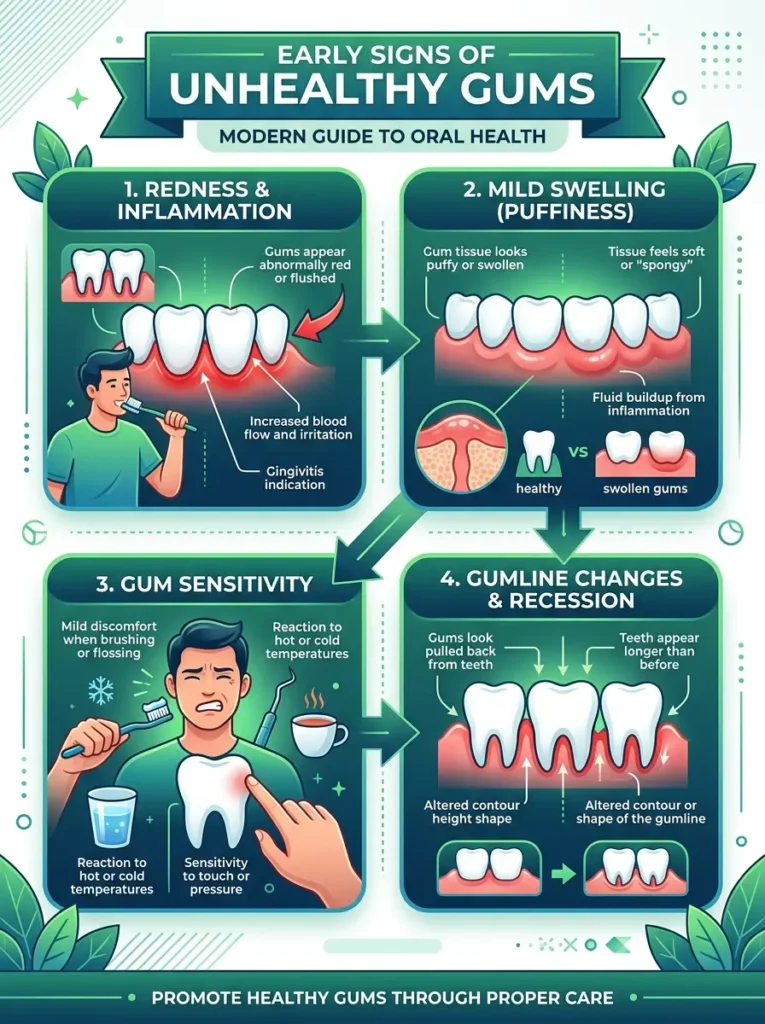
1. Bleeding Gums During Brushing or Flossing
One of the most common signs of unhealthy gums is bleeding during brushing or flossing.
Occasional bleeding may occur if flossing habits have been inconsistent. However, frequent bleeding may indicate that the gums need additional care and attention.
Maintaining gentle brushing techniques and consistent flossing habits may help support healthier gums over time.
2. Persistent Gum Redness
Healthy gums are often light pink in color. Persistent redness may indicate irritation along the gumline.
Several factors may contribute to gum redness, including:
- Plaque accumulation
- Inconsistent oral hygiene
- Oral bacteria buildup
- Lifestyle habits
Paying attention to changes in gum appearance may help support early awareness of oral wellness concerns.
3. Swollen or Tender Gums
Swelling and tenderness may affect overall oral comfort.
Some individuals notice:
- Mild puffiness around the gums
- Sensitivity while brushing
- Discomfort while eating certain foods
While occasional irritation may happen, ongoing swelling may be one of the more noticeable signs of unhealthy gums.
4. Increased Gum Sensitivity
Gum sensitivity can make everyday activities less comfortable.
You may notice discomfort when consuming:
- Hot beverages
- Cold drinks
- Sweet foods
- Acidic foods
Although sensitivity can have multiple causes, gum health is often an important factor to consider.
5. Receding Gumline
Gum recession occurs when the gumline gradually pulls away from the teeth.
Some people describe this as:
- Teeth appearing longer
- More tooth surface becoming visible
- Increased sensitivity near the gumline
Monitoring changes in the appearance of your gums may help you identify potential issues earlier.
6. Persistent Bad Breath
Persistent bad breath may sometimes be connected to oral bacteria and gum wellness.
Researchers continue to explore how bacterial balance inside the mouth may influence breath freshness and overall oral comfort.
If you’re interested in learning more about this connection, you may enjoy reading our article on oral bacteria and fresh breath.

7. Changes in Overall Oral Comfort
Sometimes the most important signs of unhealthy gums are subtle.
You may notice:
- Mild tenderness
- Increased sensitivity
- Occasional bleeding
- Changes in gum appearance
When several symptoms occur together, they may indicate that your oral wellness routine deserves additional attention.
Quick Overview: Early Signs of Unhealthy Gums
| Sign | Why It Is Commonly Discussed |
|---|---|
| 🩸 Bleeding Gums | Frequent bleeding during brushing or flossing is often considered an early sign that gums may need additional attention. |
| 🔴 Persistent Redness | Healthy gums are typically light pink, while ongoing redness may indicate irritation along the gumline. |
| ⚠️ Swollen or Tender Gums | Swelling and tenderness are commonly associated with gum discomfort and oral wellness concerns. |
| 🥶 Increased Sensitivity | Discomfort when consuming hot, cold, sweet, or acidic foods may sometimes be linked to gum wellness issues. |
| 📉 Receding Gumline | Gums that gradually pull away from the teeth may expose more tooth surface and increase sensitivity. |
| 🌬️ Persistent Bad Breath | Ongoing breath concerns are frequently discussed in relation to oral bacteria and gum wellness. |
| 😕 Changes in Oral Comfort | Mild tenderness, irritation, or multiple symptoms occurring together may indicate the need for closer attention to gum health. |
How the Oral Microbiome May Influence Gum Wellness
Researchers continue studying how the <a href=”https://brightsmileguide.com/what-is-the-oral-microbiome/”>oral microbiome</a> may influence various aspects of oral health, including gum wellness.
The oral microbiome refers to the community of microorganisms naturally living inside the mouth. Maintaining a balanced oral environment may help support fresher breath, greater oral comfort, and healthier daily oral wellness habits.
Many people also explore foods that support the oral microbiome as part of a broader approach to oral wellness.
Why Gum Health Continues to Be Studied
Researchers continue to explore how daily oral hygiene habits, bacterial balance, nutrition, and lifestyle factors may influence gum wellness. While scientific understanding continues to evolve, maintaining consistent oral care habits remains widely recognized as an important foundation for supporting long-term oral health and oral wellness.
Daily Habits That May Support Healthy Gums
Supporting gum wellness often involves simple daily habits practiced consistently over time.
Examples include:
- Brushing twice daily
- Flossing regularly
- Staying hydrated
- Limiting excessive sugar intake
- Maintaining a balanced diet
- Following a consistent oral care routine
You may also find helpful insights in our guide to healthy gums naturally, which explores several practical habits that may support long-term gum wellness.

Healthy Gums Are Part of a Healthy Smile
Gum wellness is often viewed as an important part of overall oral wellness. Paying attention to small changes and maintaining healthy daily habits may help support a more comfortable and healthier oral environment over time.
Supporting Healthy Gums as Part of Your Oral Wellness Routine
Some people also explore modern oral wellness supplements designed to support healthy gums, fresher breath, and a balanced oral environment as part of a broader daily wellness routine.
Learn More Through Our In-Depth Reviews Below.
Recommended Reviews
Explore Our Top Oral Wellness Reviews
Looking for additional ways to support your oral wellness journey? Explore our in-depth reviews of some of the most popular oral health supplements and discover how they compare.
ProDentim

✅ Supports oral microbiome balance
✅ May help promote fresher breath
✅ Supports healthier gums
✅ Helps support daily oral wellness habits
✅ Designed to complement oral hygiene routines
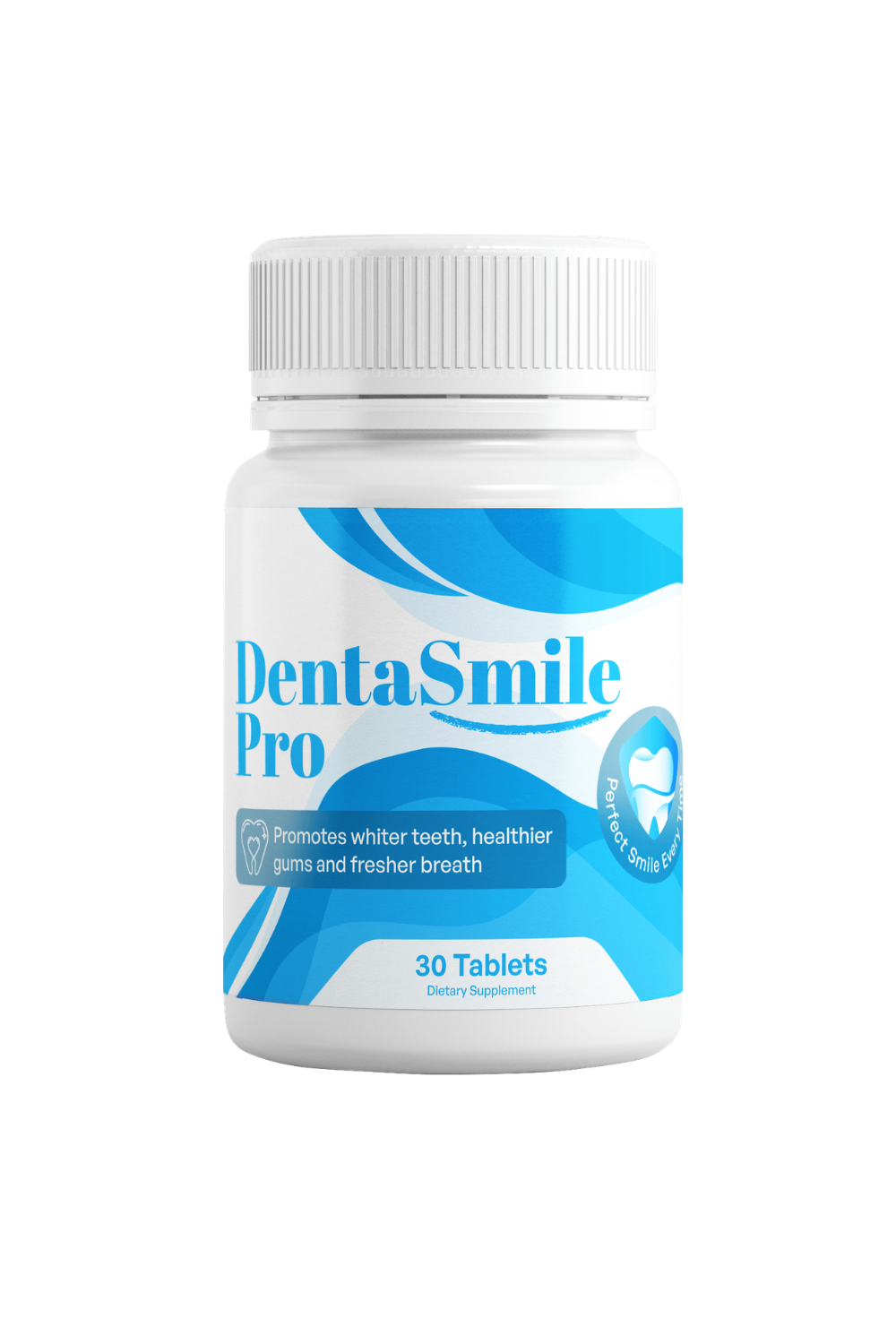
DentaSmile
✅ Supports healthier smile routines
✅ Helps support fresh breath
✅ Promotes healthier oral habits
✅ Supports daily mouth wellness
✅ Complements oral care routines
Looking to build a healthier smile through simple daily habits? Our Complete Oral Wellness Guide brings together expert insights on oral hygiene, healthy gums, fresh breath, nutrition, saliva, and the oral microbiome to help you create a complete oral wellness routine.
Read the Complete Guide →Frequently Asked Questions About Signs of Unhealthy Gums
What are the earliest signs of unhealthy gums?
Common early signs may include bleeding while brushing, persistent redness, gum tenderness, swelling, and increased sensitivity.
Can unhealthy gums cause bad breath?
In some cases, oral bacteria associated with gum irritation may contribute to persistent bad breath and changes in breath freshness.
Are bleeding gums always a concern?
Occasional bleeding may occur, but frequent or persistent bleeding is often considered a sign that gum health deserves additional attention.
Can healthy habits support gum wellness?
Many daily habits, including brushing, flossing, hydration, and balanced nutrition, may help support healthier gums over time.
How are healthy gums connected to oral wellness?
Healthy gums help support oral comfort, fresh breath, and the stability of teeth, making them an important part of overall oral wellness.
Want to build stronger, healthier gums through simple daily habits? Our Complete Guide to Healthy Gums and Gum Wellness explores oral hygiene, nutrition, hydration, saliva, the oral microbiome, and practical routines that may help support long-term gum wellness.
Read the Complete Guide →Final Thoughts
Signs of unhealthy gums can sometimes be subtle, but recognizing them early may help you make informed decisions about your oral wellness routine.
Changes such as bleeding, redness, swelling, sensitivity, and persistent bad breath are often worth paying attention to. While research into gum health and the oral microbiome continues to evolve, many experts agree that consistent daily habits remain one of the most important foundations for supporting long-term oral wellness.
Ready to Explore Your Oral Wellness Options?
Whether you’re interested in supporting your oral microbiome, healthy gums, or overall oral wellness, our in-depth product reviews can help you make a more informed decision.
Explore Product Reviews