
How to Maintain a Bright Smile: A Complete Oral Wellness Guide
A bright smile is often associated with confidence, good hygiene, and overall wellness. Yet many people assume that maintaining a healthy-looking smile is simply a matter of brushing their teeth twice a day.
In reality, long-term oral wellness involves much more than teeth alone.
Healthy gums, adequate saliva production, balanced daily habits, proper nutrition, hydration, and a thriving oral microbiome all contribute to the overall condition of the mouth. These factors work together every day, influencing comfort, breath freshness, and the overall oral environment.
Modern oral wellness research increasingly recognizes that oral health is not defined by a single habit or product. Instead, it is often supported by a collection of small daily behaviors that create positive outcomes over time.
If you’re wondering how to maintain a bright smile for years to come, understanding the foundations of oral wellness is an excellent place to begin.
The 5 Foundations of a Bright Smile


Oral Microbiome
Understanding the Oral Microbiome
One of the most important yet often overlooked aspects of oral wellness is the oral microbiome.
Inside every healthy mouth lives a complex ecosystem composed of billions of microorganisms. These microorganisms naturally inhabit the tongue, gums, teeth, cheeks, palate, and saliva.
For many years, oral care discussions focused almost exclusively on removing bacteria. Today, researchers recognize that the situation is more complex. The goal is not necessarily eliminating all bacteria but supporting a balanced oral environment where beneficial and naturally occurring microorganisms can coexist.
This community of microorganisms is known as the oral microbiome.
What Is the Oral Microbiome?
The oral microbiome refers to the collection of microorganisms naturally living inside the mouth.
These microorganisms interact continuously with:
- Teeth
- Gums
- Saliva
- Tongue surfaces
- Food particles
- Daily oral hygiene habits
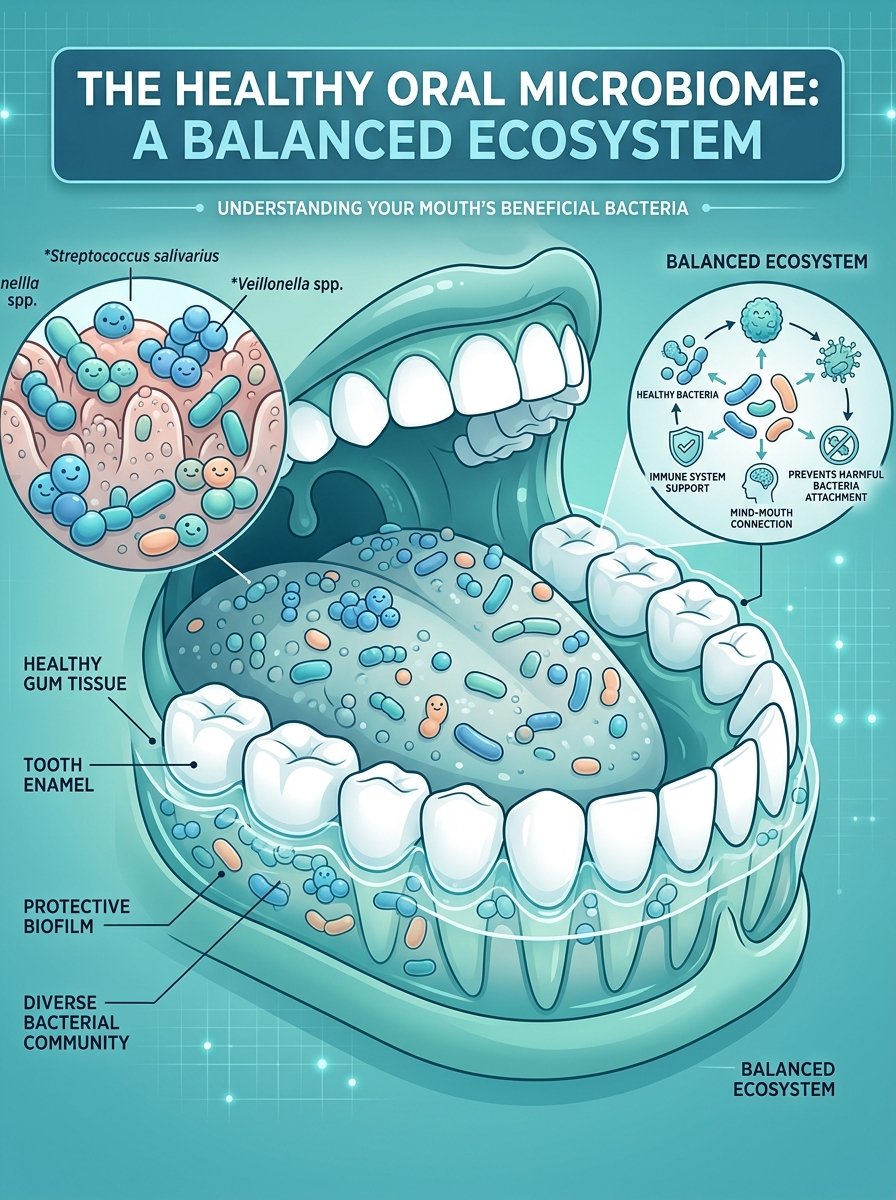
A balanced microbiome is often associated with a comfortable oral environment and fresh-feeling mouth.
Although researchers continue exploring this area, interest in oral microbiome balance has grown significantly over the past decade.
Many people now recognize that oral wellness involves more than simply brushing away plaque. It may also involve supporting the natural balance of the oral environment itself.
This growing awareness has led many individuals to learn more about the oral microbiome and how daily habits may influence it.
Why Oral Balance Matters
The mouth serves as the gateway to many daily activities.
Every day we:
- Eat
- Drink
- Speak
- Breathe
- Swallow
Because the mouth is constantly exposed to external influences, maintaining balance becomes increasingly important.
Researchers continue investigating how oral bacteria interact with:
- Saliva production
- Breath freshness
- Gum comfort
- Tongue health
- Overall oral wellness
While scientific understanding continues to evolve, many experts agree that maintaining a balanced oral environment remains an important part of long-term oral wellness.
This is one reason why discussions surrounding oral microbiome balance have become increasingly common within the oral wellness community.
Signs of a Healthy Oral Environment
Many people wonder whether there are visible indicators that suggest the oral environment is functioning well.
Although no single sign can provide a complete picture, several positive indicators are commonly associated with oral wellness.
These may include:
- Comfortable gums
- Fresh breath most of the time
- Adequate saliva production
- Minimal tongue buildup
- Consistent oral comfort
- Healthy daily oral hygiene habits
Many of these characteristics overlap with the commonly discussed signs of a healthy oral microbiome.
Rather than focusing on a single symptom, researchers often encourage evaluating broader patterns of oral wellness over time.
A healthy oral environment is rarely the result of one isolated factor. Instead, it is often supported by multiple habits working together consistently.
The Oral Microbiome Is More Complex Than Most People Realize
The oral microbiome is considered one of the most diverse microbial ecosystems in the human body. Researchers continue discovering how oral bacteria interact with saliva, gum wellness, breath freshness, and the overall oral environment.
Habits That May Support Oral Balance
Many daily behaviors may influence the oral environment.
Although individual experiences vary, several habits are commonly associated with supporting oral wellness.
These include:
- Brushing consistently
- Flossing daily
- Staying hydrated
- Cleaning the tongue regularly
- Prioritizing quality sleep
- Maintaining balanced nutrition
- Supporting healthy saliva production
Researchers also continue studying the growing role of oral probiotics and how they may interact with the oral microbiome.
As public awareness grows, more people are exploring comprehensive approaches that focus not only on oral hygiene but also on maintaining balance within the oral environment itself.
Why the Oral Microbiome Has Become a Major Focus of Modern Oral Wellness
In the past, oral wellness conversations were often centered almost entirely around teeth.
Today, the conversation is expanding.
Researchers now examine how different factors work together, including:
- Oral bacteria
- Saliva
- Hydration
- Nutrition
- Lifestyle habits
- Gum wellness
This broader perspective has transformed how many people think about oral health.
Rather than viewing oral wellness as a collection of isolated problems, experts increasingly recognize the importance of supporting the entire oral ecosystem.
Understanding the oral microbiome provides an important foundation for understanding many of the topics discussed throughout this guide.
As we continue exploring healthy gums, saliva, nutrition, fresh breath, and daily wellness habits, you’ll notice that many of these subjects are closely connected through the overall balance of the oral environment.
Research into the oral microbiome has expanded rapidly in recent years. Scientists continue studying how oral bacteria interact with saliva, gum wellness, breath freshness, and daily oral hygiene habits. While many questions remain under investigation, maintaining consistent oral care habits, hydration, and balanced nutrition continues to be widely recommended as part of a comprehensive oral wellness routine.
How Daily Habits Shape Long-Term Oral Wellness
Many people focus on individual oral care habits while overlooking the bigger picture.
A bright smile is rarely the result of a single product, one brushing session, or one healthy meal. Instead, it is usually supported by a collection of daily habits that work together over time.
Researchers continue exploring how hydration, nutrition, saliva production, bacterial balance, sleep quality, and oral hygiene influence oral wellness. As scientific understanding evolves, oral health is increasingly viewed as a complete system rather than a collection of isolated habits.
This is one reason why many oral wellness experts encourage focusing on consistency rather than searching for a single solution.
- Brush gently twice daily
- Floss consistently
- Stay hydrated
- Support healthy saliva production
- Maintain balanced nutrition
- Limit excessive sugar intake
- Clean the tongue regularly
- Prioritize sleep and stress management
When practiced consistently, these habits help create an oral environment that supports comfort, freshness, and long-term oral wellness.
Many oral wellness professionals emphasize that consistency often matters more than perfection. Small daily habits repeated over months and years may contribute more to long-term oral wellness than occasional intensive efforts.
Want to explore this topic in greater depth? Our Complete Guide to Oral Microbiome Wellness explains how the oral microbiome works, what influences microbial balance, and the daily habits that may help support a healthier oral environment.
Read the Complete Guide →Oral Hygiene
Oral Hygiene: The Foundation of Every Bright Smile
Daily oral hygiene remains one of the most important foundations of oral wellness.
While many people associate oral hygiene primarily with brushing, modern oral wellness routines often include several complementary habits that work together to support a healthier oral environment.
Researchers continue studying how daily hygiene practices may influence oral comfort, breath freshness, bacterial balance, and overall oral wellness. Although individual needs vary, maintaining consistent oral hygiene habits is widely recognized as one of the most important steps for supporting long-term oral health.
A complete oral hygiene routine often includes:
- Brushing
- Flossing
- Tongue cleaning
- Hydration
- Consistency
Each of these habits serves a different purpose. Together, they help create a more comprehensive approach to oral wellness than any single habit alone.

Why Consistency Matters More Than Perfection
One of the most common misconceptions about oral wellness is the belief that occasional intensive cleaning can compensate for inconsistent daily habits.
However, many oral wellness professionals emphasize that consistency is often more important than perfection.
Small actions performed every day may contribute more to long-term oral wellness than occasional efforts performed only when problems arise.
For example, brushing twice daily for a few minutes each day may be more beneficial than brushing aggressively from time to time. The same principle often applies to flossing, tongue cleaning, hydration, and other wellness habits.
Many oral wellness professionals encourage focusing on sustainable daily habits rather than striving for perfect oral care routines. Consistency often creates stronger long-term results than occasional intensive efforts.
Building a Complete Oral Hygiene Routine
Many people think of oral hygiene as brushing alone.
However, a more complete routine often includes several complementary habits that support different aspects of oral wellness.
For example:
- Brushing helps clean visible tooth surfaces.
- Flossing helps clean between teeth.
- Tongue cleaning may help remove daily buildup.
- Hydration supports saliva production.
- Consistency helps reinforce healthy long-term habits.
When practiced together, these behaviors create a more balanced approach to supporting oral wellness.
Many people also find it helpful to explore benefits of tongue cleaning, how hydration affects oral health, and best daily habits for oral health to better understand how these habits work together.
Saliva
Why Saliva Is One of the Most Important Oral Wellness Tools
Many people rarely think about saliva until they experience a dry mouth sensation.
Yet saliva works continuously throughout the day and plays a significant role in maintaining oral comfort.
Researchers continue studying how saliva may help support:
- Moisture levels inside the mouth
- Breath freshness
- Everyday oral comfort
- The oral microbiome
- Natural oral cleansing processes
Unlike brushing or flossing, saliva works around the clock.
This constant activity is one reason why researchers increasingly recognize saliva as one of the most important contributors to overall oral wellness.
For a complete explanation, see our guide on how saliva supports oral health.
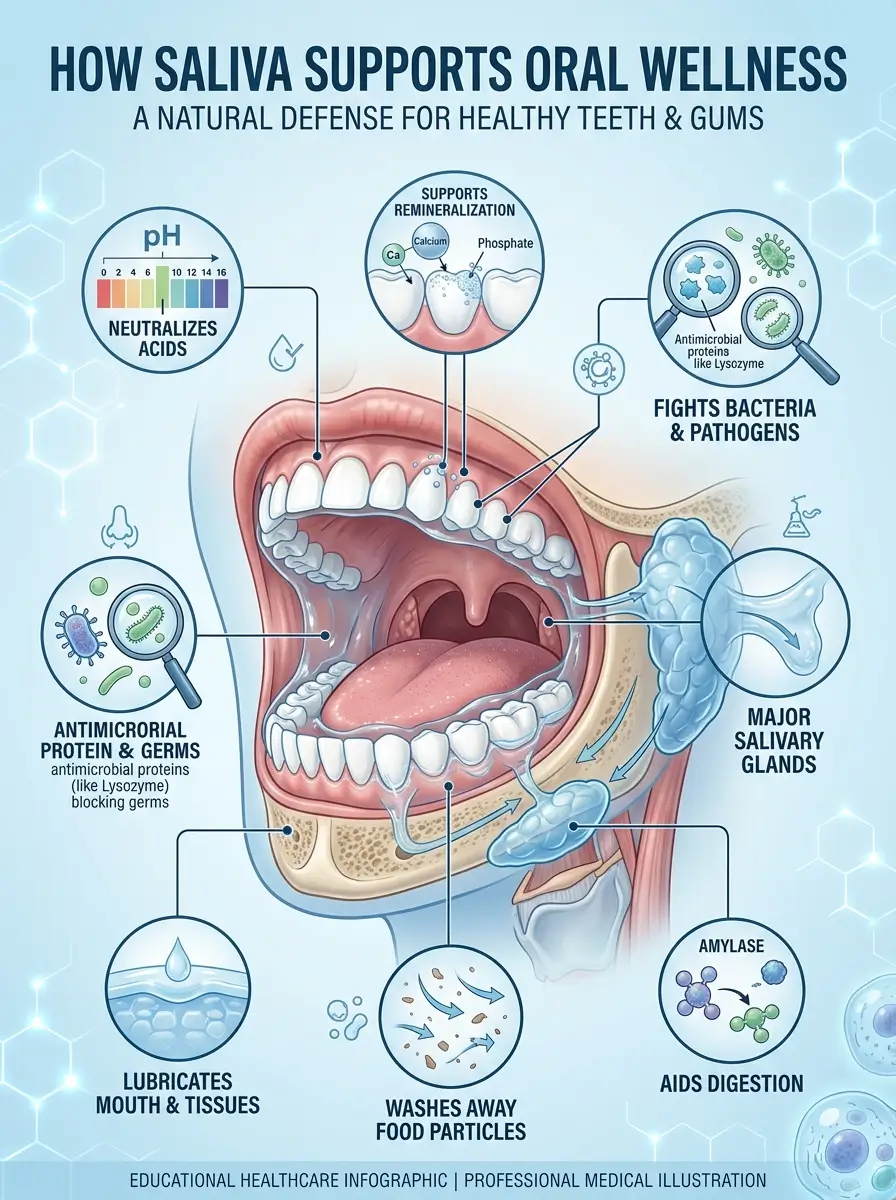
Unlike brushing or flossing, saliva works continuously throughout the day and night. It is one of the body’s most active natural systems for supporting oral comfort and maintaining the oral environment.
Habits That May Support Healthy Saliva Production
Several lifestyle habits are commonly associated with healthy saliva production.
These include:
- Staying hydrated
- Prioritizing quality sleep
- Maintaining balanced nutrition
- Supporting overall wellness habits
- Following consistent oral hygiene routines
Many of these habits overlap with broader oral wellness strategies, reinforcing the idea that oral health is often influenced by multiple lifestyle factors working together.
Why Hydration Deserves More Attention
When discussing oral wellness, hydration deserves special attention.
Many people focus heavily on oral care products while overlooking one of the simplest habits available: drinking enough water.
Water helps support:
- Saliva production
- Oral comfort
- Daily wellness habits
- A fresher-feeling mouth
Because hydration and saliva production are closely connected, many oral wellness discussions consider them foundational components of a healthy oral environment.
If you’re interested in learning more, explore our guide on how hydration affects oral health.
Researchers continue investigating how hydration, saliva production, bacterial balance, and oral comfort interact within the oral ecosystem. Modern oral wellness research increasingly views these factors as interconnected contributors to oral health rather than separate systems.
Nutrition
Nutrition and Oral Wellness Go Hand in Hand
Nutrition influences nearly every system in the body, including the mouth.
Although no single food can guarantee oral wellness, dietary choices may help support habits associated with long-term health.
Many oral wellness discussions focus on foods such as:
- Leafy greens
- Crunchy fruits
- Yogurt
- Fermented foods
- Water-rich vegetables
- Fatty fish
- Nuts and seeds
These foods are frequently included in wellness-focused eating patterns because they contribute to broader wellness habits.
For additional information, explore foods for healthy gums and best foods for fresh breath.

Foods Commonly Associated With Oral Wellness
| Food Group | Why It Is Commonly Discussed |
|---|---|
| Leafy Greens | Frequently included in wellness-focused diets. |
| Crunchy Fruits | Popular alternatives to highly processed snacks. |
| Yogurt | Often discussed in conversations about beneficial cultures. |
| Fermented Foods | Associated with microbiome-related wellness discussions. |
| Water-Rich Foods | Support hydration-focused dietary habits. |
| Fatty Fish | Commonly included in balanced nutrition plans. |
Why Excess Sugar Receives So Much Attention
Sugar remains one of the most discussed topics in oral wellness.
Researchers continue studying how dietary patterns may influence the oral environment and the balance of microorganisms naturally present in the mouth.
This does not mean eliminating sugar completely.
Instead, many oral wellness experts encourage moderation and balance as part of a broader healthy lifestyle.
Understanding the relationship between nutrition and oral wellness can help individuals make more informed daily choices.
For a deeper explanation, see how sugar affects the oral microbiome and foods that may harm the oral microbiome.
| ❌ Myth | ✅ Fact |
|---|---|
| A bright smile depends mainly on brushing harder. | Modern oral wellness research increasingly recognizes the importance of saliva, hydration, nutrition, bacterial balance, and healthy daily habits alongside brushing. |
Looking Ahead
So far, we have explored how oral hygiene, saliva, hydration, nutrition, and daily habits work together to support oral wellness.
In Part 3, we will examine:
- Healthy gums
- The oral microbiome
- Fresh breath
- Warning signs to watch for
- The complete Bright Smile Framework
- Oral wellness statistics
- Premium FAQ
- Final action plan for maintaining a bright smile
Healthy Gums
Healthy Gums Support a Healthy Smile
When people think about oral health, they often focus on teeth first.
However, healthy gums play an equally important role in supporting long-term oral wellness.
Healthy gums help provide support for teeth, contribute to everyday comfort, and are frequently associated with a healthier oral environment.
Researchers continue exploring how daily habits, nutrition, bacterial balance, and oral hygiene practices influence gum wellness.
Many people interested in supporting gum health focus on:
- Consistent brushing
- Daily flossing
- Staying hydrated
- Balanced nutrition
- Supporting a healthy oral microbiome
Together, these habits may help contribute to healthier gums over time.

Why Gum Health Matters Beyond Your Teeth
Gums do much more than simply surround the teeth.
They help support the structures that keep teeth stable while also contributing to overall oral comfort.
When gums feel healthy and comfortable, many daily activities may become easier and more enjoyable, including:
- Eating
- Drinking
- Speaking
- Brushing
- Flossing
For this reason, modern oral wellness discussions increasingly recognize gum wellness as an important part of maintaining a healthy smile.
Daily Habits That May Support Healthy Gums
Healthy gums are often supported through simple daily habits practiced consistently over time.
These commonly include:
- Brushing gently and consistently
- Flossing daily
- Staying hydrated
- Maintaining balanced nutrition
- Supporting the oral microbiome
- Following regular oral hygiene routines
While no single habit guarantees healthy gums, many oral wellness experts recommend combining several supportive behaviors into a complete daily routine.
For more detailed guidance, explore healthy gums naturally and how to keep gums healthy.
Healthy Gum Habits at a Glance
| Habit | Why It Matters |
|---|---|
| Brushing | Supports daily oral hygiene. |
| Flossing | Helps clean near the gumline. |
| Hydration | Supports saliva production and oral comfort. |
| Nutrition | Supports overall wellness habits. |
| Consistency | Encourages long-term oral wellness routines. |
Signs That Your Gums May Need More Attention
Paying attention to small changes may help support better oral wellness awareness.
Some commonly discussed signs that may deserve additional attention include:
- Persistent redness
- Swelling
- Tenderness
- Bleeding during brushing
- Increased sensitivity
While occasional irritation may occur for various reasons, persistent symptoms are often worth monitoring.
If you would like to learn more, explore signs of unhealthy gums and why do gums bleed when brushing.
Researchers continue studying how gum wellness, oral bacteria, saliva production, and daily habits interact within the broader oral environment. This is one reason gum health remains an important focus of modern oral wellness research.
Supporting Gum Wellness for the Long Term
Many people search for a single solution to support healthier gums.
However, oral wellness experts often emphasize that gum health is usually supported through a combination of healthy behaviors practiced consistently over time.
Brushing, flossing, hydration, nutrition, and oral microbiome support all contribute to creating a healthier oral environment.
When these habits become part of a daily routine, maintaining healthy gums often becomes much easier and more sustainable.
Want to build stronger, healthier gums through simple daily habits? Our Complete Guide to Healthy Gums and Gum Wellness explores oral hygiene, nutrition, hydration, saliva, the oral microbiome, and practical routines that may help support long-term gum wellness.
Read the Complete Guide →
Fresh Breath: One of the Most Noticeable Signs of Oral Wellness
Fresh breath is often viewed as one of the most visible indicators of a healthy oral environment.
While occasional breath changes are normal, long-term breath freshness is often influenced by several interconnected factors.
These may include:
- Saliva production
- Oral hygiene habits
- Tongue cleanliness
- Hydration
- Oral microbiome balance
- Nutrition choices
Because fresh breath is influenced by multiple factors, many experts recommend focusing on complete oral wellness habits rather than looking for a single solution.
People who maintain consistent oral wellness routines often pay attention to:
- Tongue cleaning
- Hydration
- Daily oral hygiene
- Balanced nutrition
- Supporting the oral microbiome
If you’re interested in learning more, explore oral bacteria and fresh breath, how to freshen breath naturally, morning breath causes, and bad breath after brushing.
Want to discover what truly supports long-term breath freshness? Our Complete Guide to Fresh Breath and Oral Wellness explores the role of oral bacteria, saliva, hydration, tongue cleaning, nutrition, and daily habits to help you build a healthier and fresher oral environment.
Read the Complete Guide →Warning Signs Worth Paying Attention To
Oral wellness is often supported by noticing small changes before they become larger concerns.
Some commonly discussed signs that may deserve additional attention include:
- Persistent bad breath
- Dry mouth
- Increased gum sensitivity
- Frequent tongue coating
- Recurring gum irritation
- Changes in oral comfort
Experiencing one of these signs occasionally does not necessarily indicate a problem.
However, persistent changes may be worth monitoring and discussing with a qualified dental professional when appropriate.
Many of these topics are explored in greater detail throughout the Bright Smile Guide educational library.
Many oral wellness concerns are influenced by multiple lifestyle factors working together. Hydration, nutrition, sleep quality, oral hygiene habits, and bacterial balance all contribute to the overall oral environment.
The Bright Smile Framework™
After exploring the major pillars of oral wellness, a simple framework begins to emerge.
Rather than relying on one product or one habit, oral wellness is often supported through multiple daily behaviors working together.
The 5 Foundations of a Bright Smile
| Foundation | Why It Matters |
|---|---|
| Oral Hygiene | Supports daily cleanliness and oral comfort. |
| Healthy Gums | Provide support for teeth and contribute to overall oral wellness. |
| Saliva | Supports moisture, comfort, and the oral environment. |
| Oral Microbiome | Helps maintain bacterial balance within the mouth. |
| Nutrition | Supports healthy daily wellness habits. |
Oral Wellness Snapshot
Myth vs Fact
| ❌ Myth | ✅ Fact |
|---|---|
| A bright smile depends mainly on brushing harder. | Oral wellness is influenced by hydration, saliva, nutrition, bacterial balance, and daily oral hygiene habits. |
| Bad breath always comes from the stomach. | Most discussions about breath freshness focus primarily on factors inside the mouth. |
| Healthy gums happen automatically. | Gum wellness is often supported through consistent daily habits practiced over time. |
| The oral microbiome is only about bacteria. | Researchers continue studying a complex oral ecosystem involving many types of microorganisms. |
Modern oral wellness is increasingly viewed as a combination of oral hygiene, hydration, nutrition, saliva production, gum wellness, and microbiome balance rather than a single daily habit. This broader perspective reflects the direction of current oral wellness research and education.
Researchers continue studying how saliva, oral bacteria, nutrition, hydration, sleep quality, and daily habits interact to influence oral wellness. While scientific understanding continues to evolve, consistent daily oral care remains one of the most widely recommended foundations for supporting long-term oral health.
Complete Bright Smile Checklist
- Brush twice daily
- Floss consistently
- Clean your tongue
- Stay hydrated
- Support healthy saliva production
- Maintain balanced nutrition
- Limit excessive sugar intake
- Support oral microbiome wellness
- Monitor changes in gum comfort
- Maintain regular dental visits
Continue Your Oral Wellness Journey
Oral wellness is often supported through consistent daily habits, balanced nutrition, healthy gums, proper hydration, and a balanced oral microbiome. Explore our educational guides and in-depth reviews to continue building a healthier smile.
Recommended Reviews
Explore Our Top Oral Wellness Reviews
Looking for additional ways to support your oral wellness journey? Explore our in-depth reviews of some of the most popular oral health supplements and discover how they compare.
ProDentim

✅ Supports oral microbiome balance
✅ May help promote fresher breath
✅ Supports healthier gums
✅ Helps support daily oral wellness habits
✅ Designed to complement oral hygiene routines
ProvaDent
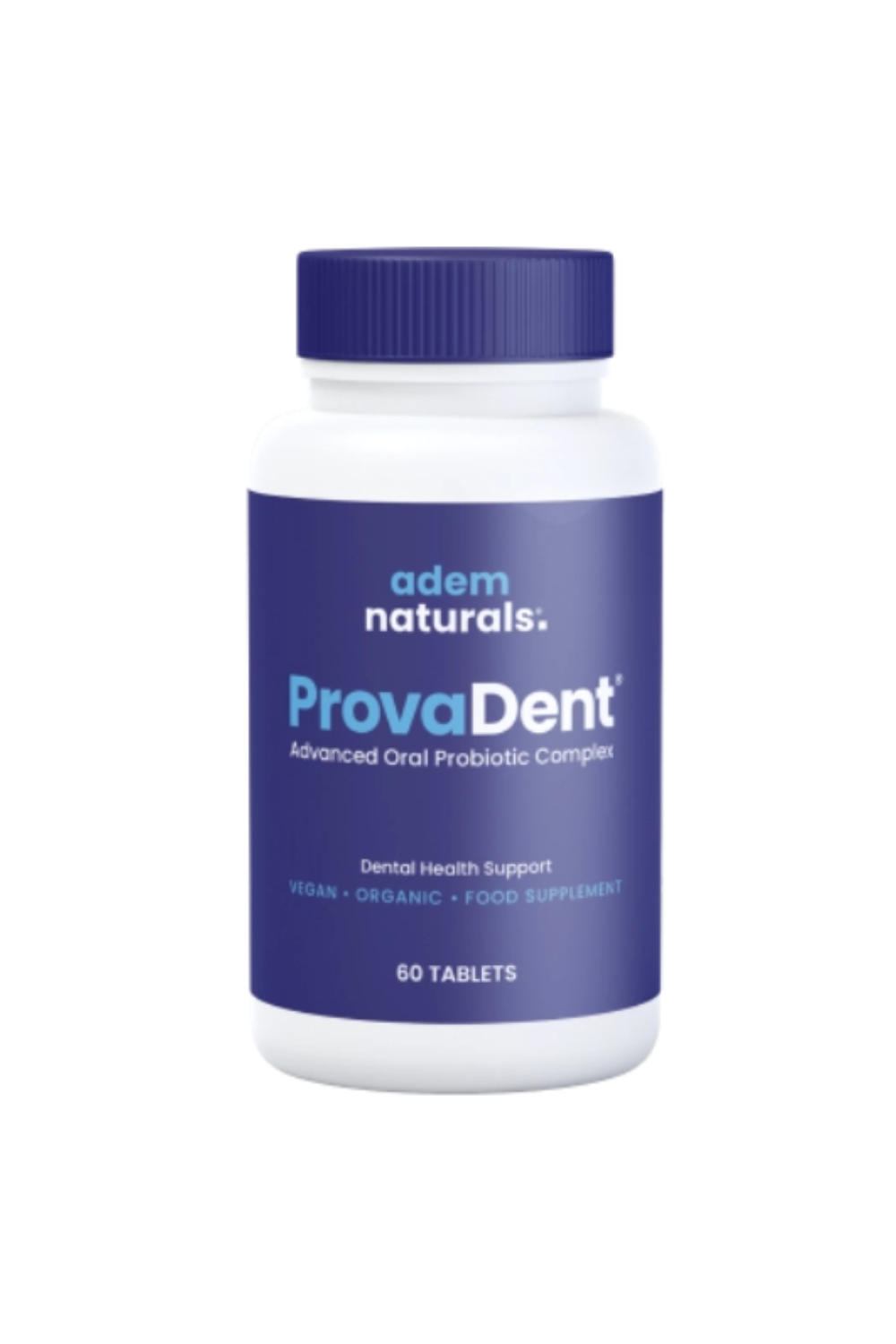
✅ Helps support fresher breath
✅ Supports healthier gums
✅ Promotes daily oral wellness habits
✅ Helps maintain a cleaner mouth feeling
✅ Complements brushing and flossing routines
Frequently Asked Questions
What is the most important habit for maintaining a bright smile?
Most experts recommend focusing on consistent daily oral hygiene combined with healthy lifestyle habits.
Why is hydration important for oral wellness?
Hydration supports saliva production and contributes to overall oral comfort.
How does the oral microbiome affect oral health?
Researchers continue studying how bacterial balance may influence various aspects of oral wellness.
Can nutrition support oral wellness?
Many wellness-focused diets include foods commonly associated with oral health and hydration.
Why are healthy gums important?
Healthy gums help support teeth and contribute to overall oral comfort.
How can I support fresher breath naturally?
Many people focus on hydration, oral hygiene, tongue cleaning, and microbiome-friendly habits.
Final Thoughts
Maintaining a bright smile is rarely about a single product, habit, or short-term solution.
Instead, oral wellness is often supported through consistent daily behaviors that work together over time. Healthy gums, proper hydration, balanced nutrition, saliva production, oral hygiene, and a balanced oral microbiome all contribute to creating a healthier oral environment.
While research continues to expand our understanding of oral wellness, one principle remains remarkably consistent: small daily habits practiced regularly may provide some of the greatest long-term benefits for maintaining a healthier, fresher, and more confident smile.
Ready to Explore Your Oral Wellness Options?
Whether you’re interested in supporting your oral microbiome, healthy gums, or overall oral wellness, our in-depth product reviews can help you make a more informed decision.
Explore Product Reviews