

Why Do Gums Bleed When Brushing? Common Causes and Oral Wellness Tips
Why do gums bleed when brushing is a question many people ask at some point in their oral wellness journey. While occasional gum sensitivity can happen for various reasons, frequent bleeding may signal that your gums need additional attention and care.
Many people are surprised the first time they notice blood while brushing their teeth. Although the experience can be concerning, bleeding gums do not always indicate a serious problem. In many cases, everyday habits and oral care routines may play a role.
Understanding some of the most common causes can help you make informed decisions about your oral wellness and determine when it may be appropriate to seek professional advice.
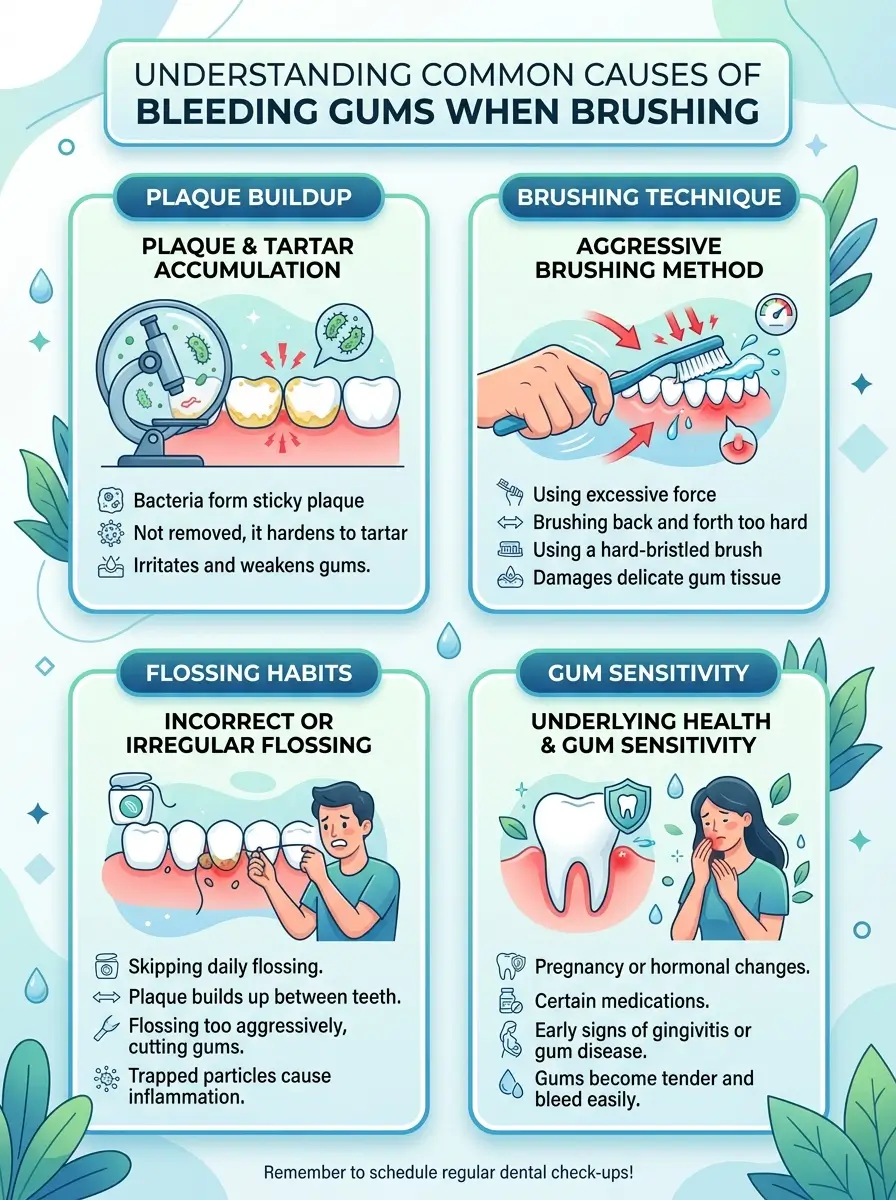
Understanding Why Gums Bleed When Brushing
Healthy gums contribute to a comfortable oral environment and support overall oral wellness.
When bleeding occurs during brushing, it may be related to factors such as:
- Oral hygiene habits
- Gum sensitivity
- Brushing technique
- Plaque accumulation
- Lifestyle factors
Researchers continue studying how daily behaviors influence gum wellness and oral comfort.
1. Inconsistent Flossing Habits
One common reason for bleeding gums is inconsistency with flossing.
When flossing becomes part of a daily routine after a long break, some people notice temporary gum sensitivity or minor bleeding. This may occur as the gums adjust to the renewed cleaning habit.
Maintaining a consistent routine is often more beneficial than flossing only occasionally.
2. Gum Sensitivity and Irritation
Some individuals naturally experience greater gum sensitivity than others.
Temporary irritation may result from:
- Changes in oral care products
- Dietary factors
- Oral appliances
- Individual differences in gum tissue
Paying attention to how your gums respond to daily habits can provide useful insights into your oral wellness.
Consistency Often Matters More Than Intensity
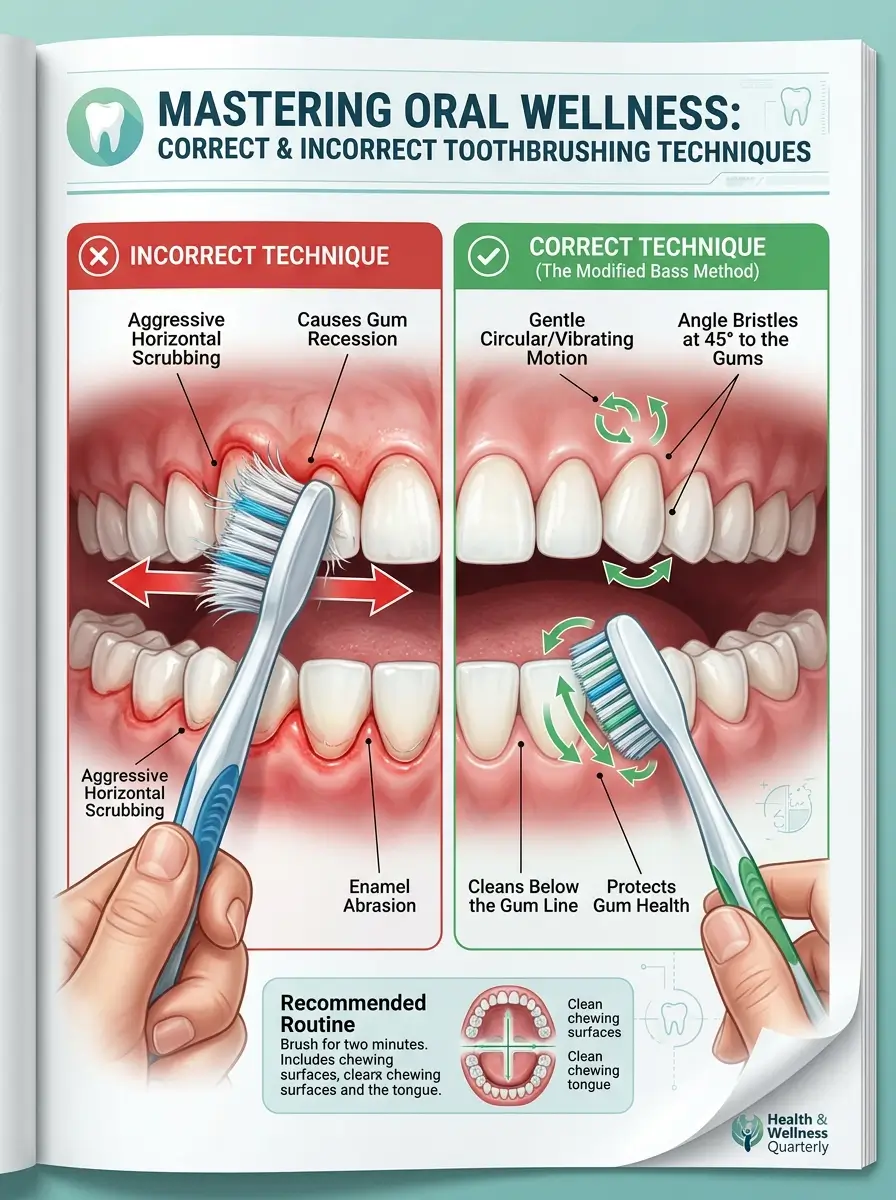
Many people believe brushing harder leads to cleaner teeth. In reality, gentle and consistent oral hygiene habits are often more effective and comfortable than aggressive brushing techniques.
3. Brushing Too Aggressively
One of the most overlooked causes of bleeding gums is brushing with excessive force.
Signs that brushing may be too aggressive include:
- Gum discomfort
- Increased sensitivity
- Frayed toothbrush bristles
- Recurring gum irritation
Many dental professionals recommend using gentle circular motions rather than vigorous scrubbing.
4. Plaque Buildup Along the Gumline
Plaque naturally forms on teeth throughout the day.
When plaque accumulates near the gumline, it may contribute to irritation and increased gum sensitivity.
Regular brushing and flossing are commonly recommended as part of a routine designed to help maintain oral cleanliness and comfort.
5. Changes in Daily Oral Hygiene Habits
Sudden changes in oral care routines may sometimes affect gum comfort.
Examples include:
- Switching toothbrush types
- Using a new toothpaste
- Starting a flossing routine
- Adjusting brushing frequency
When making changes, it can be helpful to observe how your gums respond over time.
6. Lifestyle Factors That May Affect Gum Comfort
Oral wellness is influenced by more than brushing alone.
Factors that may affect gum comfort include:
- Hydration habits
- Sleep quality
- Nutrition
- Stress levels
- Overall health habits
Researchers increasingly recognize the connection between daily lifestyle choices and oral wellness outcomes.
What Researchers Observe About Gum Bleeding and Oral Wellness
Researchers continue studying the factors that influence gum health and oral comfort. While bleeding gums may occur for various reasons, maintaining consistent oral hygiene habits and healthy lifestyle practices remains one of the most widely recommended approaches for supporting long-term gum wellness.
Quick Overview: Common Reasons Gums May Bleed When Brushing
| Possible Cause | Why It Is Commonly Discussed |
|---|---|
| 🧵 Inconsistent Flossing | Gums may become temporarily sensitive when flossing is resumed after a long break. |
| 🌿 Gum Sensitivity | Some individuals naturally experience greater gum sensitivity and irritation. |
| 🪥 Aggressive Brushing | Brushing with excessive force may contribute to gum discomfort and bleeding. |
| 🦷 Plaque Buildup | Plaque accumulation along the gumline is frequently associated with gum irritation. |
| 🔄 Changes in Oral Care Habits | Switching toothbrushes, toothpaste, or flossing routines may temporarily affect gum comfort. |
| 💧 Lifestyle Factors | Hydration, nutrition, sleep quality, and stress levels may influence overall gum wellness. |
When Bleeding Gums Should Not Be Ignored
While occasional minor irritation may occur, persistent or recurring bleeding deserves attention.
If gum bleeding continues despite maintaining good oral hygiene habits, consulting a qualified dental professional may help identify underlying causes.
Professional evaluation is especially important when bleeding is accompanied by discomfort, swelling, or other noticeable changes.
Habits That May Help Support Healthier Gums
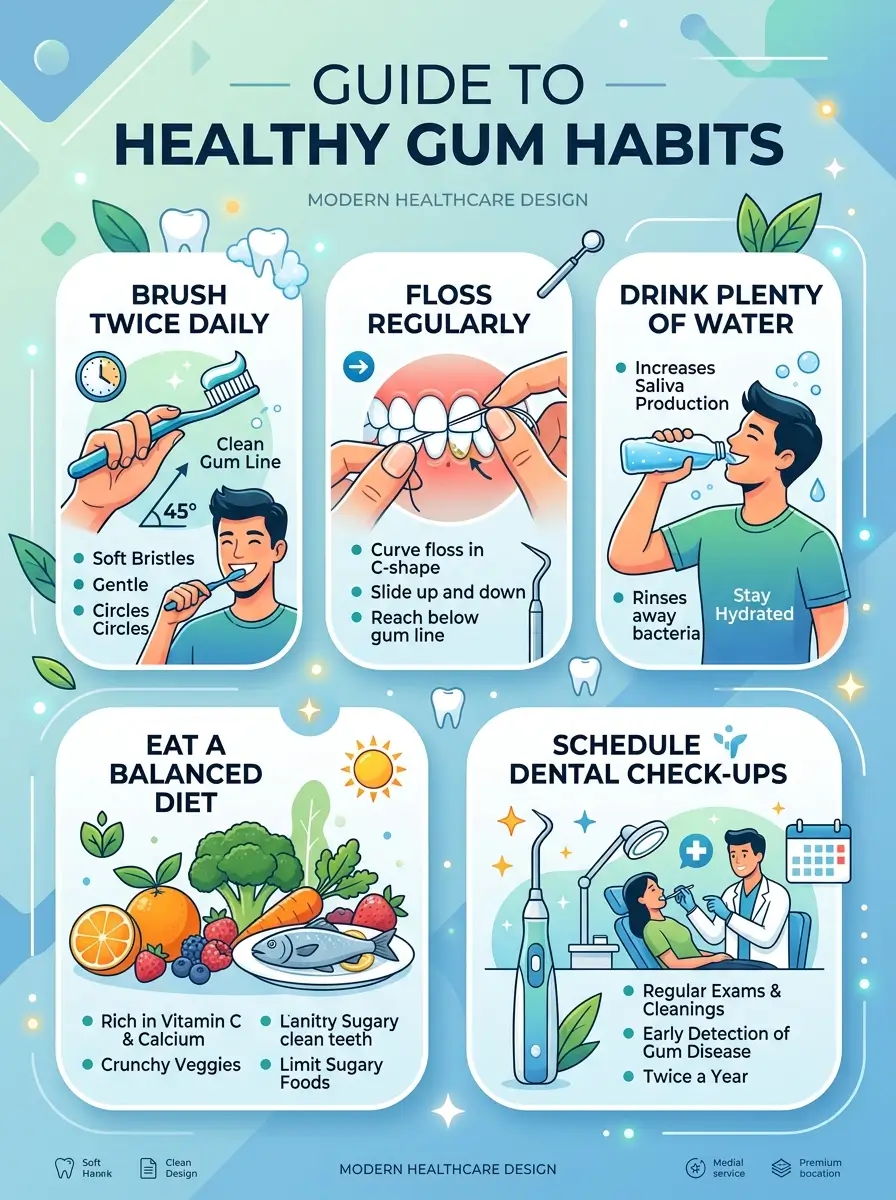
Many people support gum wellness through simple daily habits.
These may include:
- Brushing consistently
- Flossing daily
- Staying hydrated
- Maintaining balanced nutrition
- Following healthy oral care routines
Our guides on healthy gums naturally, foods for healthy gums, and how to keep gums healthy explore additional strategies that may support long-term gum wellness.
Healthy Gums Often Reflect Consistent Daily Care
Gum wellness is typically supported through regular oral hygiene, balanced nutrition, hydration, and healthy lifestyle habits. Small daily actions may contribute to healthier gums over time.
Supporting Healthy Gums Through Daily Habits
Some people also explore modern oral wellness supplements designed to support gum wellness, fresh breath habits, and overall oral health as part of a broader daily routine.
Learn More Through Our In-Depth Reviews Below.
Recommended Reviews
Explore Our Top Oral Wellness Reviews
Looking for additional ways to support your oral wellness journey? Explore our in-depth reviews of some of the most popular oral health supplements and discover how they compare.
DentiCore
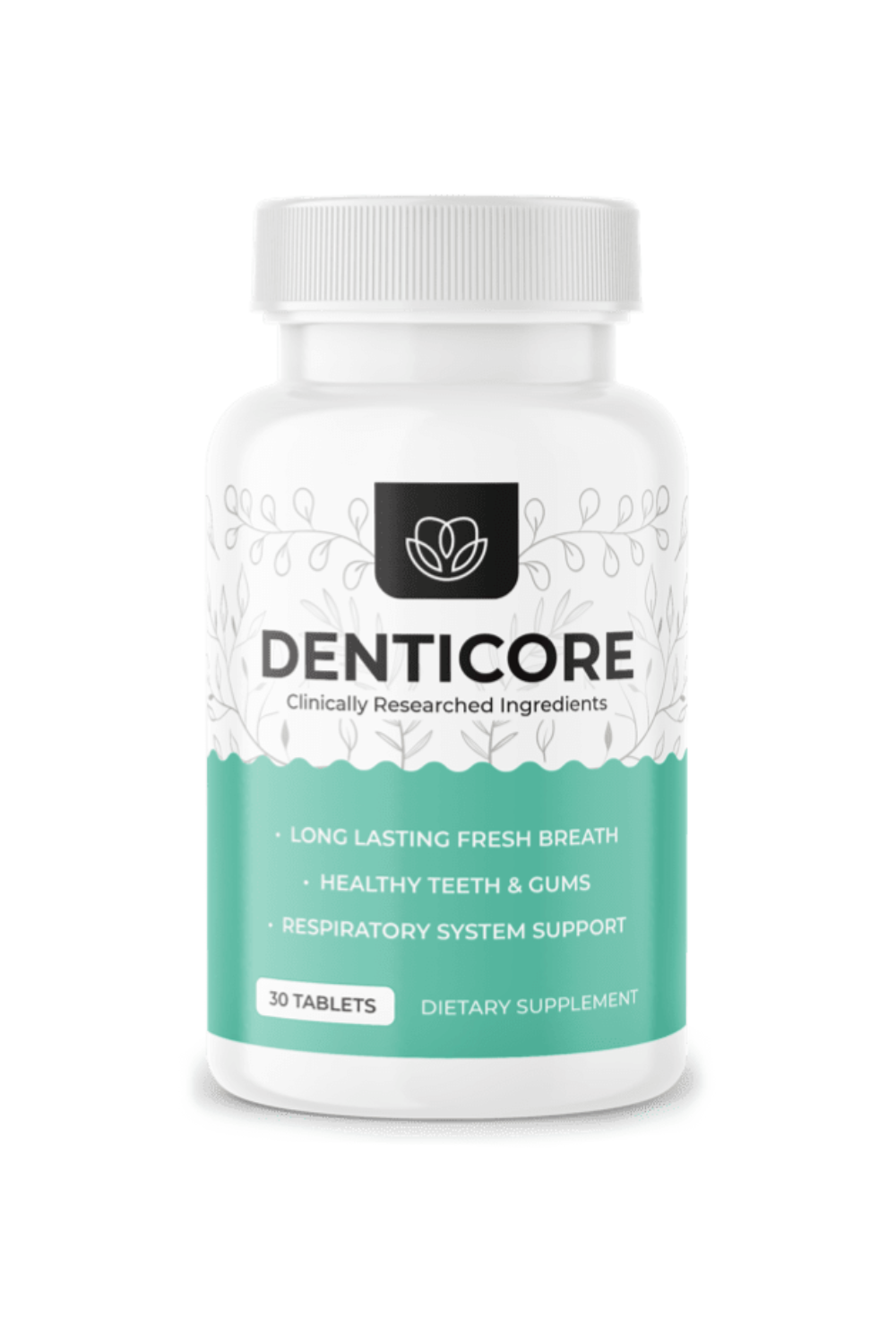
✅ Supports gum wellness
✅ Helps support tooth strength
✅ Supports healthier oral hygiene habits
✅ Designed to complement daily oral care
✅ Supports long-term oral wellness routines
DentaSmile
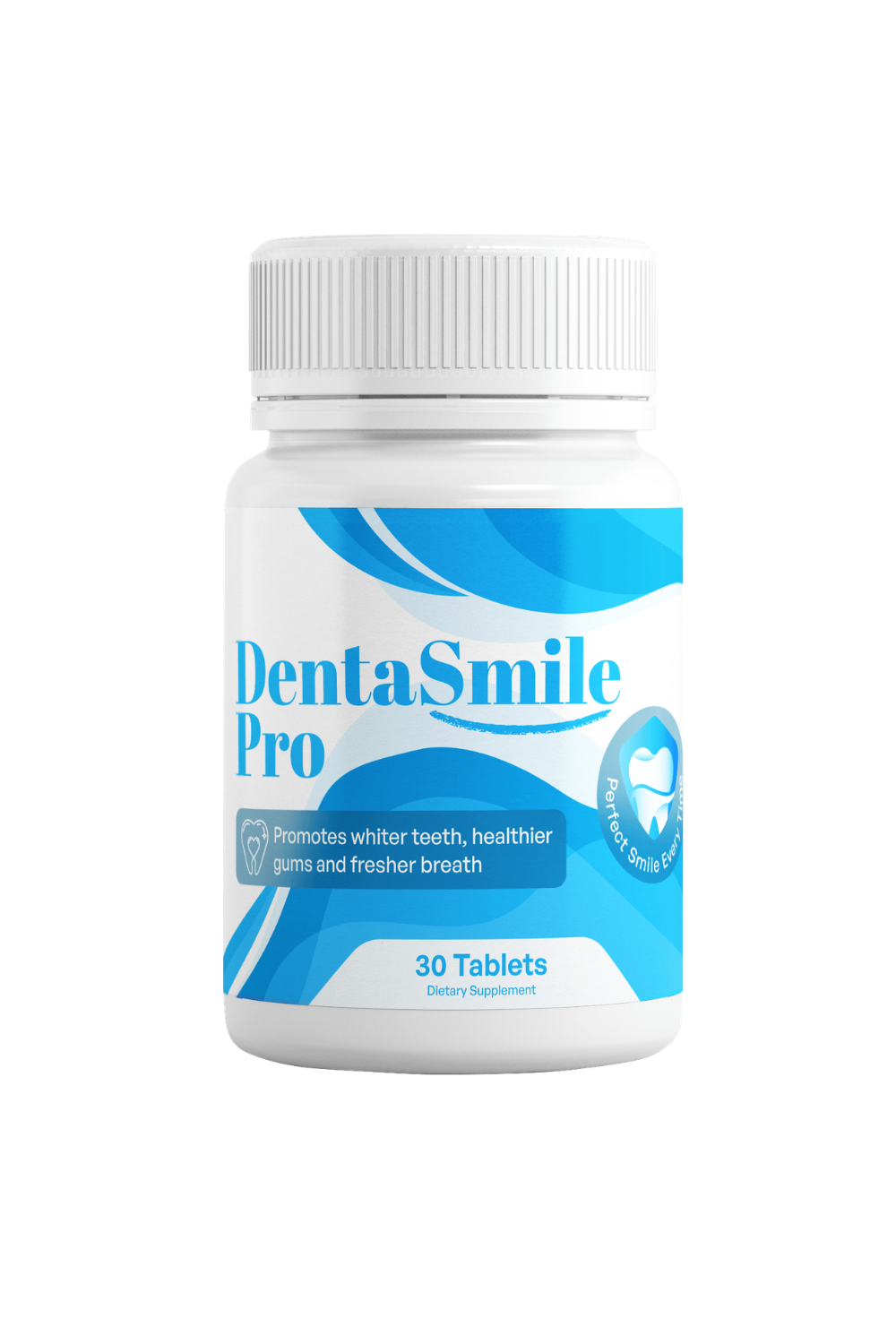
✅ Supports healthier smile routines
✅ Helps support fresh breath
✅ Promotes healthier oral habits
✅ Supports daily mouth wellness
✅ Complements oral care routines

Looking to build a healthier smile through simple daily habits? Our Complete Oral Wellness Guide brings together expert insights on oral hygiene, healthy gums, fresh breath, nutrition, saliva, and the oral microbiome to help you create a complete oral wellness routine.
Read the Complete Guide →Frequently Asked Questions About Why Gums Bleed When Brushing
Why do my gums bleed when I brush my teeth?
Bleeding gums may occur for several reasons, including inconsistent flossing, gum sensitivity, aggressive brushing, plaque buildup, or changes in oral hygiene habits.
Is occasional gum bleeding normal?
Occasional minor gum irritation can happen, especially after changes in oral care routines. However, persistent bleeding should be discussed with a dental professional.
Can brushing too hard cause gum bleeding?
Yes. Brushing with excessive force may contribute to gum irritation and discomfort. Gentle brushing techniques are generally recommended.
What habits may help support gum wellness?
Daily brushing, flossing, hydration, balanced nutrition, and consistent oral hygiene practices are commonly associated with healthier gums.
When should I speak with a dental professional about bleeding gums?
If bleeding persists, becomes frequent, or occurs alongside swelling, discomfort, or other changes, seeking professional guidance is recommended.
Want to build stronger, healthier gums through simple daily habits? Our Complete Guide to Healthy Gums and Gum Wellness explores oral hygiene, nutrition, hydration, saliva, the oral microbiome, and practical routines that may help support long-term gum wellness.
Read the Complete Guide →Final Thoughts on Why Do Gums Bleed When Brushing
Why do gums bleed when brushing is a common question that can have several possible explanations. From brushing technique and flossing habits to broader lifestyle factors, many elements may influence gum comfort and oral wellness.
While occasional sensitivity may occur, maintaining consistent oral hygiene habits and paying attention to changes in your gums can help support long-term oral health. When concerns persist, professional evaluation remains the best way to obtain personalized guidance.
Ready to Explore Your Oral Wellness Options?
Whether you’re interested in supporting your oral microbiome, healthy gums, or overall oral wellness, our in-depth product reviews can help you make a more informed decision.
Explore Product Reviews