Oral Probiotics vs Traditional Oral Care: Which Approach Better Supports Long-Term Oral Wellness?
If you’ve been researching oral probiotics, you’ve probably come across an important question: Are oral probiotics better than traditional oral care?
The short answer is no—but the full explanation is much more interesting.
Brushing, flossing, tongue cleaning, and regular dental checkups remain the foundation of good oral hygiene. At the same time, growing interest in the oral microbiome has introduced a new perspective on oral wellness. Instead of focusing only on removing bacteria, researchers are increasingly exploring how supporting beneficial microorganisms may contribute to a healthier oral environment.
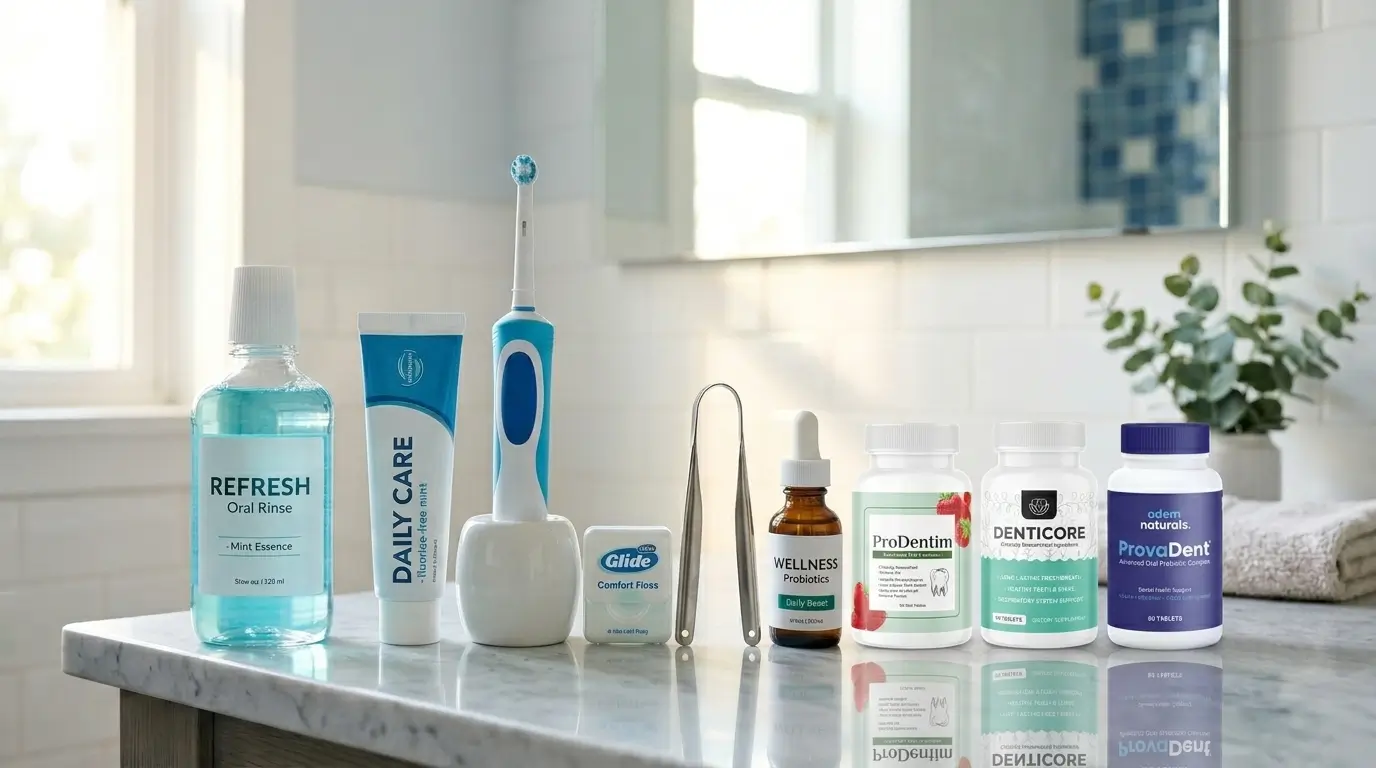
Rather than competing with traditional oral care, oral probiotics are designed to complement it. Understanding how these two approaches differ can help you build a more complete daily routine for long-term oral wellness.
Quick Guide
Here’s a quick overview of the key differences between oral probiotics and traditional oral care.
- Traditional oral care focuses on cleaning the mouth by removing plaque, food debris, and surface buildup.
- Oral probiotics are designed to support the natural balance of beneficial bacteria within the oral microbiome.
- These two approaches serve different but complementary purposes and should not be viewed as interchangeable.
- Daily brushing, flossing, tongue cleaning, and regular dental checkups remain the foundation of good oral health.
- Oral probiotics may be incorporated as an additional wellness tool to complement a complete oral care routine.
Why Traditional Oral Care Remains Essential
Traditional oral hygiene has been the cornerstone of healthy smiles for decades—and for good reason.
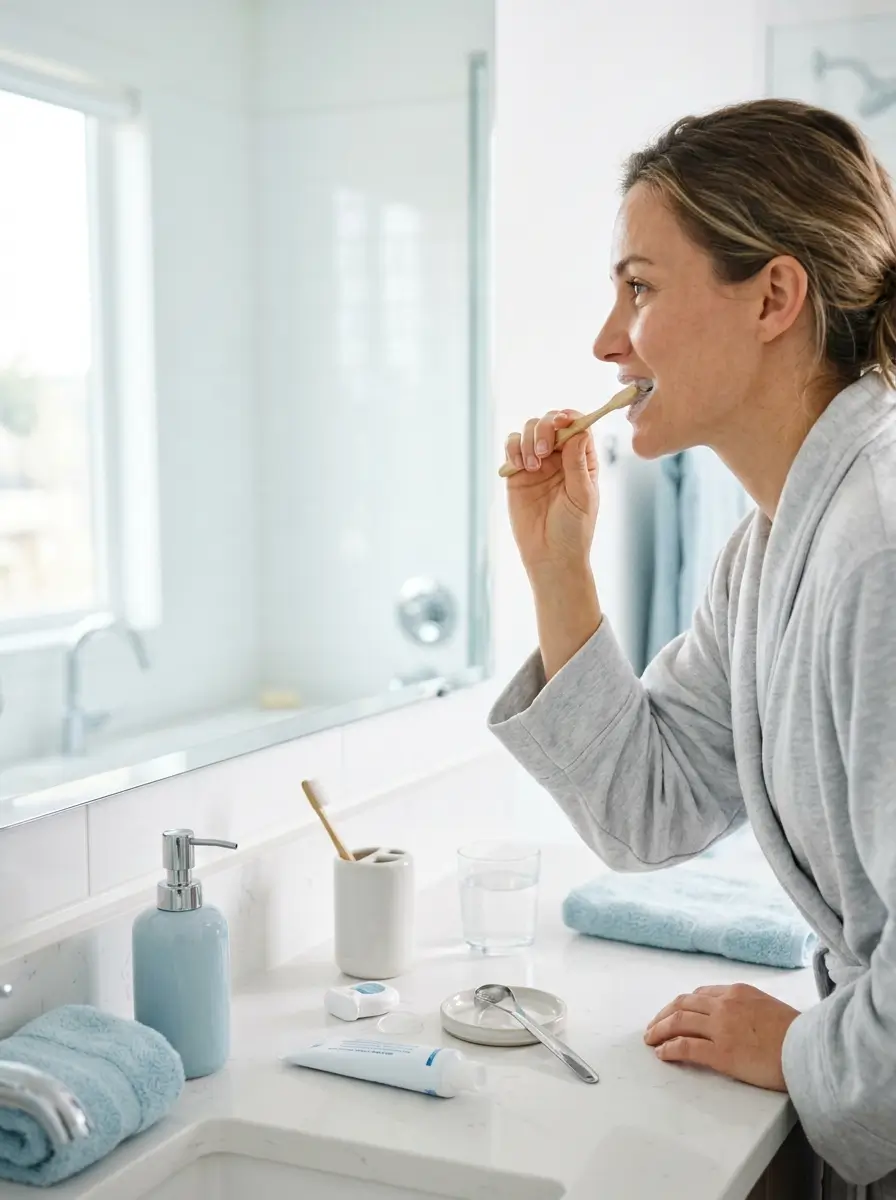
Daily brushing helps remove plaque and food particles from tooth surfaces. Flossing reaches areas between teeth where a toothbrush cannot effectively clean. Tongue cleaning may reduce debris that contributes to unpleasant breath, while regular professional dental visits help identify concerns early and maintain oral health over time.
Together, these habits create the foundation of a healthy oral care routine.
However, traditional oral care primarily focuses on physically cleaning the mouth. It does not necessarily address the complex balance of microorganisms that naturally live within the oral microbiome.
Understanding the Oral Microbiome
The human mouth contains one of the body’s most diverse microbial communities.
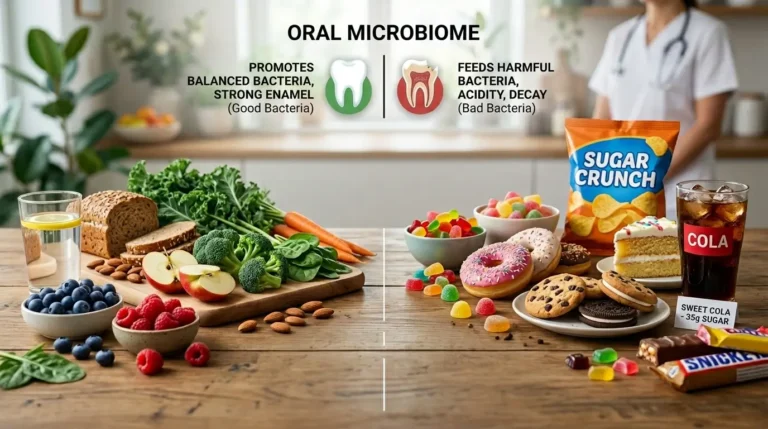
Hundreds of different microorganisms coexist throughout the teeth, gums, tongue, cheeks, and saliva. While some bacteria may contribute to oral problems when conditions become unbalanced, many play important roles in maintaining a stable oral environment.
This understanding has shifted the conversation around oral wellness. Rather than viewing all bacteria as harmful, modern research increasingly emphasizes the importance of microbial balance.
Maintaining this balance depends on multiple daily habits, including oral hygiene, hydration, nutrition, saliva production, and overall lifestyle.
What Are Oral Probiotics?
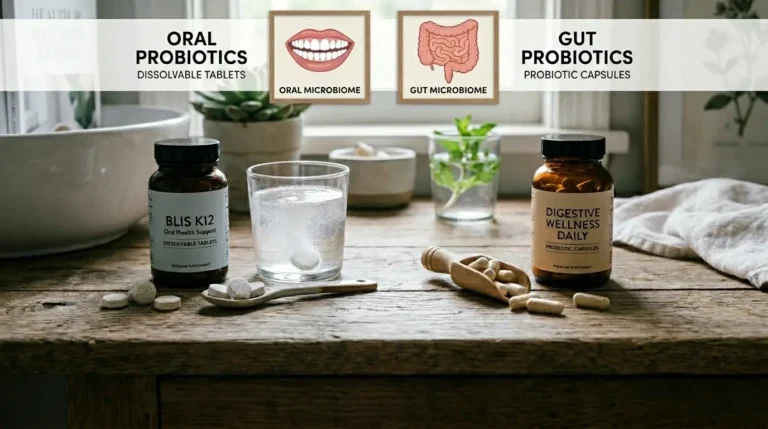
Oral probiotics are dietary supplements formulated with selected beneficial bacteria intended to support the natural balance of microorganisms in the mouth.
Unlike toothpaste or mouthwash, they are not designed to clean the teeth or remove plaque directly.
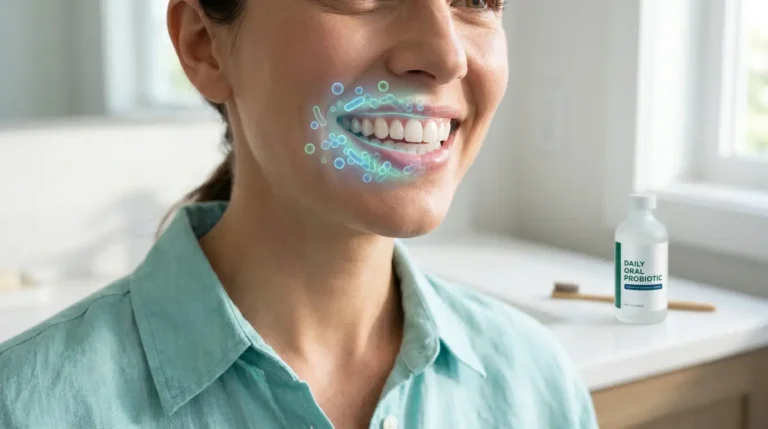
Instead, they are intended to work alongside existing oral hygiene habits by supporting the oral microbiome as part of a long-term wellness routine.
Because of this difference, oral probiotics should not be viewed as replacements for brushing or flossing but as complementary products that fit within a broader oral wellness strategy.
Oral Probiotics vs Traditional Oral Care
Traditional oral hygiene and oral probiotics serve different roles within a complete oral wellness routine. Rather than competing with each other, these approaches work best when combined to support both daily cleanliness and a balanced oral microbiome.
| Traditional Oral Care | Oral Probiotics |
|---|---|
| Removes plaque and food debris. | Supports the natural balance of beneficial oral bacteria. |
| Cleans tooth surfaces through daily hygiene. | Complements a long-term oral wellness routine. |
| Includes brushing, flossing, and tongue cleaning. | Typically taken as a daily dietary supplement. |
| Focuses primarily on physical cleaning and hygiene. | Focuses on supporting the oral microbiome. |
| Essential as part of everyday oral care. | Designed as an optional complement—not a replacement. |
These approaches support different aspects of oral wellness. Traditional oral care focuses on physical hygiene by cleaning the teeth, gums, and mouth surfaces, while oral probiotics are intended to complement these habits by supporting the natural balance of the oral microbiome. Together, they may contribute to a more comprehensive daily oral wellness routine.
Can Oral Probiotics Replace Brushing or Mouthwash?
No.
This is one of the most common misconceptions surrounding oral probiotics.
No dietary supplement should replace brushing, flossing, tongue cleaning, or professional dental care.
Brushing removes plaque.
Flossing cleans between teeth.
Mouthwash may help reduce bacteria and freshen breath, depending on the product used.
Oral probiotics serve a different purpose entirely by supporting the natural microbial environment rather than performing physical cleaning.
The most balanced approach is to use oral probiotics, if desired, alongside—not instead of—traditional oral hygiene practices.
Expert Tip
Build Your Oral Wellness Routine One Habit at a Time
Healthy oral wellness routines are built on consistency rather than quick fixes. Daily brushing, flossing, tongue cleaning, proper hydration, balanced nutrition, and regular dental checkups remain the foundation of good oral health. Oral probiotics may complement these habits by supporting the oral microbiome, but they are most effective when incorporated into an established daily routine—not used as a standalone solution.
Why Interest in Oral Probiotics Continues to Grow
Scientific interest in the oral microbiome has expanded significantly in recent years.
Researchers continue investigating how microbial communities influence oral wellness and how maintaining a balanced ecosystem may contribute to long-term oral health.
Although research is still evolving and individual experiences vary, this growing body of knowledge has encouraged many adults to look beyond traditional hygiene alone and consider additional ways to support their daily oral wellness routine.
This shift reflects a broader trend toward preventive wellness and whole-body health, where small, consistent habits are valued over quick fixes.

Popular Oral Probiotic Supplements Available Today
For readers interested in learning more about oral probiotic supplements, several products featured on Bright Smile Guide explore different approaches to oral wellness, including:
- ProDentim Review
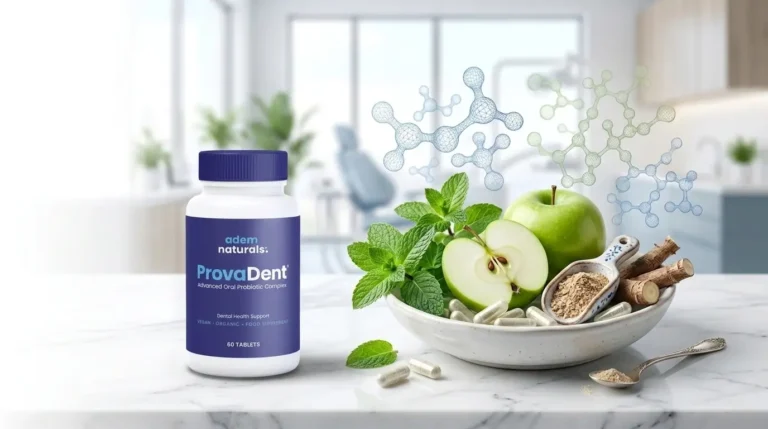
- ProvaDent Review
- DentiCore Review
- Dentolyn Review
- BioDentex Review
- DentaVive Review
Each review examines ingredient transparency, intended purpose, daily use, and how the product may fit within a complete oral wellness routine.
Learn More About the Oral Microbiome
Understanding the oral microbiome provides valuable context for everything discussed in this article.
If you’d like to explore this topic in greater depth, continue with our Complete Guide to Oral Microbiome Wellness, where we explain how beneficial bacteria, saliva, nutrition, and daily habits work together to support long-term oral wellness.
Oral Probiotics vs Traditional Oral Care FAQ
Below are answers to some of the most common questions about oral probiotics and how they compare with traditional oral care practices.
Are oral probiotics better than brushing your teeth?
No. Brushing remains essential for removing plaque and maintaining oral hygiene. Oral probiotics are designed to complement—not replace—daily brushing as part of a complete oral wellness routine.
Can oral probiotics replace mouthwash?
No. Mouthwash and oral probiotics serve different purposes within an oral wellness routine. While mouthwash is intended for oral hygiene and freshening the mouth, oral probiotics are designed to support the natural balance of beneficial bacteria.
Should everyone take oral probiotics?
Not necessarily. Some adults may choose to include oral probiotics as part of their daily oral wellness routine, while others may prefer to focus on traditional oral hygiene alone. Individual needs and preferences may vary.
How do oral probiotics work?
Oral probiotics introduce selected beneficial bacteria that may help support the natural balance of microorganisms living in the mouth as part of a consistent oral wellness routine.
How long do oral probiotics take to work?
Individual experiences vary. Oral probiotics are generally intended for consistent, long-term use rather than providing immediate results.
Are oral probiotics considered medicine?
No. Oral probiotics are generally marketed as dietary supplements intended to complement healthy daily habits and should not be considered a substitute for professional dental care.
Can I use oral probiotics with toothpaste?
Yes. Oral probiotics are designed to be used alongside normal oral hygiene practices, including brushing with toothpaste, flossing, tongue cleaning, and regular dental checkups.
What is the biggest difference between oral probiotics and traditional oral care?
Traditional oral care focuses on cleaning the mouth by removing plaque and food debris, while oral probiotics are intended to support the oral microbiome by helping maintain the natural balance of beneficial bacteria. Together, they may contribute to a more complete oral wellness routine.