
Complete Guide to Oral Microbiome Wellness
The oral microbiome has become one of the most important topics in modern oral wellness research. Rather than viewing the mouth simply as a collection of teeth and gums, researchers now recognize it as a complex ecosystem where billions of microorganisms interact every day.
These microorganisms—including bacteria, fungi, and other microbes—naturally inhabit the tongue, teeth, gums, cheeks, palate, and saliva. Together, they form an environment that is constantly influenced by daily habits such as brushing, hydration, nutrition, sleep, and lifestyle choices.
Although the word “bacteria” is often associated with disease, not all oral bacteria are harmful. In fact, many play important roles in maintaining balance within the oral environment. Modern oral wellness focuses less on eliminating bacteria altogether and more on supporting a diverse and balanced microbial community.
Researchers continue exploring how the oral microbiome may influence breath freshness, gum comfort, saliva production, and overall oral wellness. While scientific understanding continues to evolve, maintaining a healthy oral environment through consistent daily habits remains one of the most widely recommended approaches.
In this comprehensive guide, you’ll learn how the oral microbiome works, what may influence its balance, how everyday habits contribute to oral wellness, and why this microscopic ecosystem has become one of the fastest-growing areas of oral health research.
What Is the Oral Microbiome?
The oral microbiome refers to the diverse community of microorganisms that naturally live inside the human mouth.
This ecosystem contains hundreds of different microbial species living together on multiple oral surfaces, including the:
- Teeth
- Gums
- Tongue
- Cheeks
- Roof of the mouth
- Saliva
Each area provides a slightly different environment, allowing different microbial communities to develop naturally.
Rather than existing independently, these microorganisms constantly interact with one another and with their surroundings. Saliva, nutrition, oral hygiene habits, hydration, and even breathing patterns all influence this delicate ecosystem.
Modern researchers increasingly describe the oral microbiome as a living ecosystem rather than simply a collection of bacteria.
One of the most important concepts in oral wellness is that balance—not sterility—is the goal.
A healthy mouth is not free of bacteria. Instead, it contains a diverse microbial community where beneficial and naturally occurring microorganisms coexist in equilibrium.
This perspective represents a major shift from traditional approaches that focused primarily on eliminating bacteria. Today, many researchers emphasize supporting a healthy microbial balance through consistent daily habits rather than attempting to remove all microorganisms.
If you’re new to this topic, our guide on What Is the Oral Microbiome? provides a deeper introduction to this fascinating ecosystem.
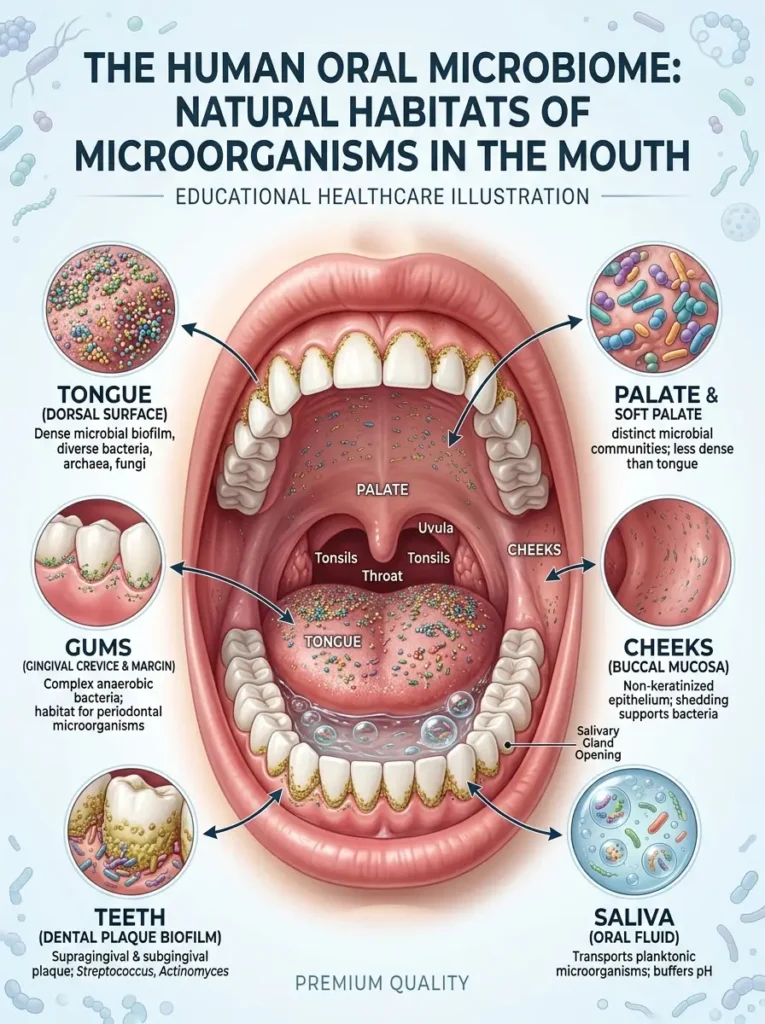
The oral microbiome is considered one of the most diverse microbial ecosystems in the human body. Scientists continue discovering how oral microorganisms interact not only with teeth and gums, but also with saliva, nutrition, and everyday lifestyle habits.
Why the Oral Microbiome Matters
The mouth serves as one of the body’s primary points of contact with the external environment.
Every meal, beverage, and daily habit introduces new conditions that influence the oral ecosystem.
Because of this constant interaction, the oral microbiome is remarkably dynamic.
Researchers continue studying how microbial balance may influence several aspects of oral wellness, including:
- Breath freshness
- Gum comfort
- Saliva function
- Oral cleanliness
- Overall oral comfort
Although many questions remain under investigation, scientists generally agree that maintaining microbial diversity appears to be an important characteristic of a healthy oral environment.
Rather than concentrating on individual bacteria, modern research increasingly examines how entire microbial communities function together.
This ecosystem-based perspective helps explain why daily habits often work collectively rather than independently.
Hydration supports saliva production.
Saliva helps maintain moisture throughout the mouth.
Balanced nutrition provides nutrients that influence the oral environment.
Daily oral hygiene helps manage food particles and bacterial buildup.
Together, these habits contribute to conditions that may support long-term oral wellness.
Readers interested in understanding how saliva contributes to this process may also enjoy our guide on How Saliva Supports Oral Health.
Modern oral wellness increasingly emphasizes maintaining microbial balance instead of attempting to eliminate all bacteria. Researchers now recognize that many naturally occurring microorganisms contribute to the stability of the oral environment, making balance a central concept in contemporary oral microbiome research.
How the Oral Microbiome Works
The oral microbiome functions as a living ecosystem where countless microorganisms constantly interact with each other and with their environment.
Some microorganisms naturally compete for nutrients.
Others help occupy ecological niches that may limit the overgrowth of different microbial populations.
Meanwhile, saliva continuously transports nutrients, proteins, enzymes, and naturally occurring compounds throughout the mouth, creating conditions that influence microbial activity.
This ongoing interaction changes throughout the day.
Eating, drinking, brushing, flossing, sleeping, hydration levels, and even stress may all influence the oral environment.
Because these factors constantly change, the oral microbiome remains highly dynamic rather than static.
Scientists often describe microbial balance as a state where no single group overwhelmingly dominates the ecosystem.
Instead, diversity allows different microorganisms to coexist within a relatively stable environment.
When discussing oral microbiome balance, researchers frequently emphasize that supporting this diversity may be more beneficial than attempting to remove bacteria indiscriminately.
Understanding this concept also helps explain why consistent daily habits generally receive greater emphasis than occasional intensive cleaning routines.
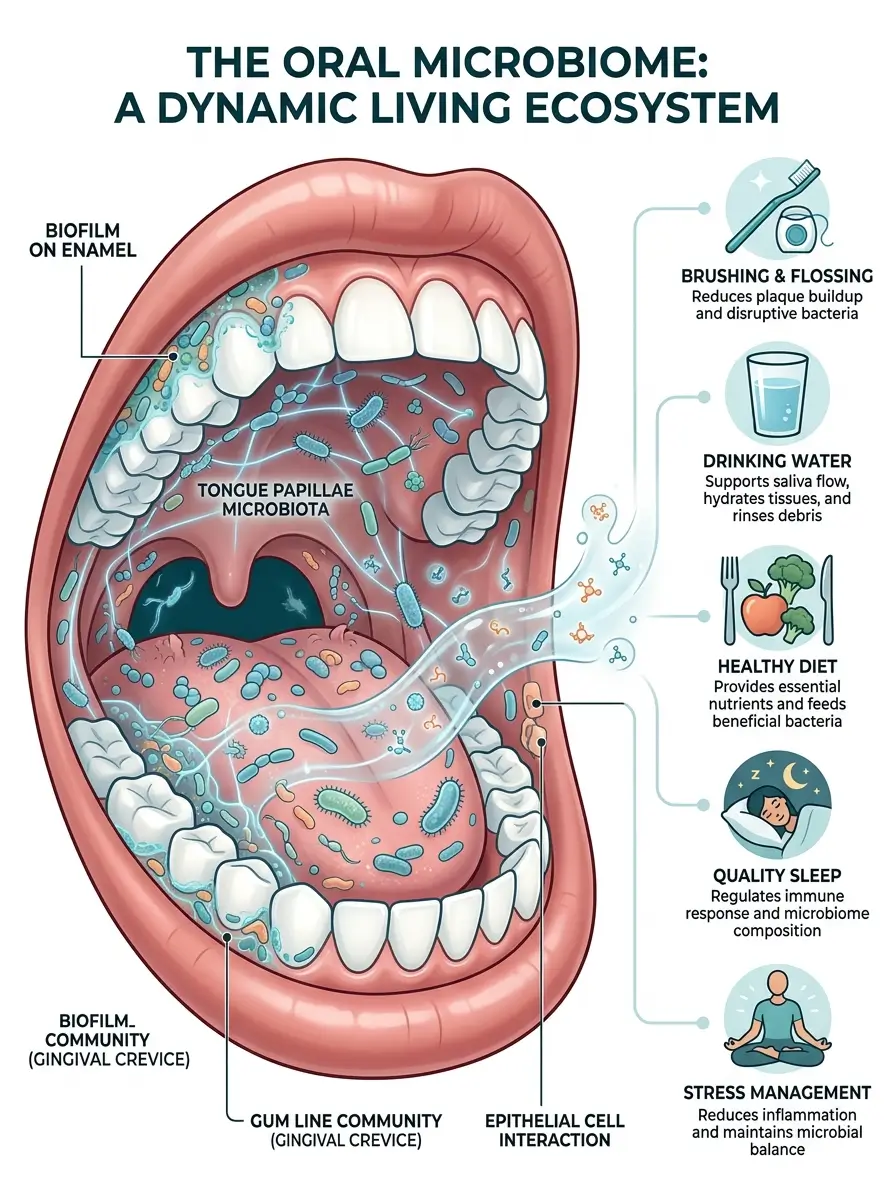
One of the biggest shifts in oral wellness research has been moving from a “kill all bacteria” approach toward supporting a balanced oral ecosystem. Daily habits that encourage microbial diversity are increasingly recognized as an important part of maintaining long-term oral wellness.
- Maintain consistent oral hygiene habits.
- Stay well hydrated throughout the day.
- Support healthy saliva production.
- Choose balanced nutritional habits.
- Limit excessive sugar consumption.
- Clean the tongue regularly.
- Focus on long-term consistency.
How to Recognize a Healthy Oral Microbiome
Unlike many aspects of oral wellness, the oral microbiome cannot be seen directly.
Instead, researchers often study broader patterns that may indicate whether the oral environment is functioning in a balanced way.
Although no single sign can confirm that the oral microbiome is healthy, several everyday observations are commonly associated with a well-maintained oral environment.
These may include:
- Comfortable gums
- Consistently fresh breath
- Adequate saliva production
- A cleaner-feeling mouth
- Good response to daily oral hygiene
- Overall oral comfort
It is important to remember that these indicators should not be viewed individually. Rather, they often work together as part of a broader picture of oral wellness.
For a more detailed discussion, explore our guide on Signs of a Healthy Oral Microbiome.
| Positive Sign | Why It Matters |
|---|---|
| 🌬️ Fresh Breath | Often associated with balanced daily oral hygiene habits and a healthy oral environment. |
| 🦷 Comfortable Gums | Healthy gums contribute to overall oral wellness and support a stable oral ecosystem. |
| 💧 Healthy Saliva Flow | Supports moisture, oral comfort, and the natural balance of microorganisms. |
| 👅 Clean Tongue Appearance | Regular tongue care may help reduce daily buildup and support breath freshness. |
| 😊 Daily Oral Comfort | A comfortable mouth throughout the day is frequently discussed in relation to oral wellness. |
What Can Disrupt the Oral Microbiome?
Just as healthy habits may help support oral balance, certain daily behaviors may create conditions that influence the oral environment in different ways.
Researchers continue investigating how multiple lifestyle factors interact with the oral microbiome.
Rather than focusing on a single cause, scientists increasingly recognize that microbial balance is influenced by combinations of daily behaviors repeated over time.
Some of the most commonly discussed factors include:
- Frequent sugar consumption
- Poor hydration
- Inconsistent oral hygiene
- Dry mouth
- Tobacco use
- Highly processed diets
- Certain medications
- Poor sleep habits
These factors do not automatically lead to microbiome imbalance.
However, they are frequently examined because they may influence saliva production, bacterial diversity, or the overall oral environment.
Readers interested in learning more about these topics may also enjoy:
- Oral Microbiome Imbalance
- How Sugar Affects the Oral Microbiome
- Foods That May Harm the Oral Microbiome
- What Is the Oral Microbiome? A Beginner’s Guide to Better Oral Wellness
Researchers increasingly describe the oral microbiome as a dynamic ecosystem rather than a fixed state. Daily lifestyle habits—including hydration, nutrition, sleep quality, and oral hygiene—may influence microbial balance over time, highlighting the importance of consistent long-term routines.
Foods That Support Oral Microbiome Wellness
Nutrition has become one of the fastest-growing areas of oral microbiome research.
Every meal temporarily changes conditions inside the mouth.
Food influences moisture levels, nutrient availability, saliva production, and the environment where oral microorganisms naturally live.
For this reason, researchers increasingly examine overall dietary patterns instead of focusing on individual foods.
Many wellness-focused nutrition plans emphasize foods that naturally support a balanced lifestyle.
Common examples include:
- Fiber-rich vegetables
- Water-rich fruits
- Fermented foods
- Whole foods
- Nutrient-dense meals
Although no single food can determine oral wellness, balanced dietary habits are frequently discussed as one component of maintaining a healthier oral environment.
Readers interested in nutrition may also explore:

| Food Category | Why It Is Frequently Discussed |
|---|---|
| 🥕 Fiber-Rich Vegetables | May encourage chewing and support natural saliva production. |
| 🥛 Fermented Foods | Frequently associated with discussions about beneficial microorganisms. |
| 🍉 Water-Rich Foods | Help support hydration and oral comfort. |
| 🥗 Whole Foods | Often included in balanced nutrition plans that support overall wellness. |
| 💧 Hydration | Supports saliva, one of the key components of oral wellness. |
Interest in the relationship between nutrition and the oral microbiome has expanded rapidly over the past decade. Rather than studying individual foods in isolation, researchers increasingly investigate overall dietary patterns and how they interact with saliva, oral bacteria, and long-term oral wellness.
Oral Probiotics and the Oral Microbiome
As scientific understanding of the oral microbiome has grown, interest in oral probiotics has expanded as well.
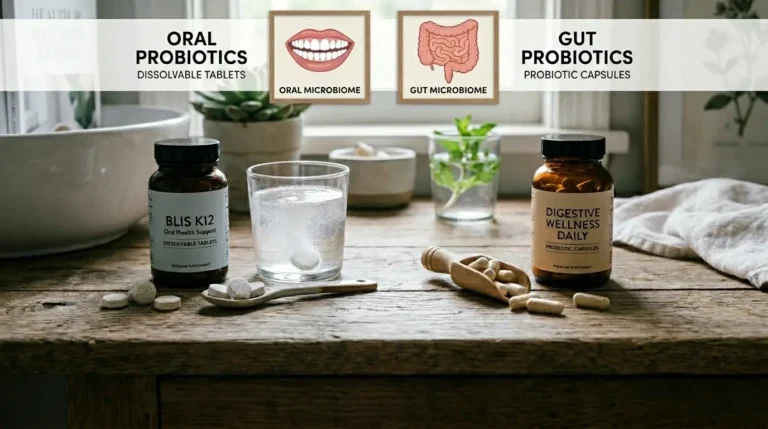
Unlike traditional probiotics that primarily target digestive health, oral probiotics are specifically formulated for the unique environment of the mouth.
Researchers continue studying how oral probiotics may interact with microbial diversity, bacterial balance, and everyday oral wellness habits.
Although research is still evolving, oral probiotics have become one of the most discussed topics in modern oral wellness.
Many individuals choose to learn more through our guides on:
The oral microbiome begins developing early in life and continues changing throughout adulthood. Daily habits, nutrition, hydration, and lifestyle choices all contribute to shaping this ecosystem over time, making consistency more important than any single product or routine.
Daily Habits That Support Oral Microbiome Wellness
One of the most encouraging findings emerging from oral wellness research is that supporting the oral microbiome does not necessarily require complicated routines.
Instead, researchers consistently emphasize the value of simple daily behaviors performed with regularity.
Everyday habits influence the oral environment throughout the day. Hydration supports saliva production, balanced nutrition provides a wide variety of nutrients, and consistent oral hygiene helps manage food particles and bacterial buildup. Together, these practices create conditions that may help maintain a more balanced oral ecosystem.
Many people focus on finding a single solution for oral wellness. However, modern research increasingly suggests that long-term consistency often matters more than individual products or occasional intensive efforts.
Daily habits commonly associated with oral microbiome wellness include:
- Brushing consistently
- Flossing every day
- Cleaning the tongue
- Drinking water regularly
- Choosing balanced nutrition
- Limiting excessive sugar
- Supporting healthy sleep habits
Our guide on Best Daily Habits for Oral Health explores these recommendations in greater detail.

Researchers increasingly recognize that oral wellness is built through consistent daily routines rather than isolated actions. Small habits repeated every day may contribute more to a balanced oral microbiome than occasional intensive efforts.
The Oral Microbiome and Fresh Breath
Fresh breath is one of the most frequently discussed topics in oral wellness.
Although many people associate bad breath exclusively with brushing, researchers now recognize that breath freshness is influenced by a combination of factors, including saliva production, tongue cleanliness, hydration, bacterial balance, and nutrition.
The oral microbiome plays an important role because microorganisms naturally interact with food particles and proteins throughout the day.
When the oral environment remains balanced, many individuals report greater oral comfort and more consistent breath freshness.
Readers interested in this topic may also enjoy:
- Oral Bacteria and Fresh Breath
- How to Freshen Breath Naturally
- Morning Breath Causes
- Dry Mouth and Bad Breath
| Daily Habit | How It Supports Breath Freshness |
|---|---|
| 💧 Hydration | Supports saliva production and helps maintain oral moisture. |
| 👅 Tongue Cleaning | May reduce daily buildup that contributes to unpleasant breath. |
| 🪥 Consistent Oral Hygiene | Helps remove food particles and surface debris. |
| 🦠 Oral Microbiome Balance | Supports a healthier oral environment over time. |
| 🥗 Balanced Nutrition | Complements daily oral wellness habits. |
The Oral Microbiome and Healthy Gums
Healthy gums provide one of the most important foundations for long-term oral wellness.
Researchers continue exploring how microbial communities interact with gum tissues and the surrounding oral environment.
Although gum health depends on many factors, maintaining balanced daily habits remains one of the most widely recommended approaches for supporting oral comfort.
Learn more in:

Modern oral wellness no longer views healthy gums, fresh breath, saliva, nutrition, and the oral microbiome as separate topics. Instead, these elements are increasingly recognized as interconnected parts of the same oral ecosystem.
The Oral Microbiome Wellness Framework™
| Foundation | How It Supports Oral Microbiome Wellness |
|---|---|
| 🦠 Microbial Balance | Encourages a diverse and stable oral ecosystem rather than eliminating all bacteria. |
| 💧 Hydration | Supports saliva production, moisture, and the natural cleansing of the oral environment. |
| 🪥 Daily Oral Hygiene | Brushing, flossing, and tongue cleaning help manage daily bacterial buildup. |
| 🥗 Balanced Nutrition | Healthy dietary patterns may contribute to a more supportive oral environment. |
| 🌙 Healthy Lifestyle Habits | Sleep, stress management, and consistency all contribute to long-term oral wellness. |
Explore Our Oral Wellness Reviews
Learning about the oral microbiome is an excellent first step toward improving your daily oral wellness routine.
Some readers also choose to explore oral wellness supplements designed to support bacterial balance, fresh breath, healthy gums, and overall oral comfort.
Below you’ll find our in-depth reviews of some of the most popular oral wellness products currently available.
Recommended Reviews
Explore Our Top Oral Wellness Reviews
Looking for additional ways to support your oral wellness journey? Explore our in-depth reviews of some of the most popular oral health supplements and discover how they compare.
ProDentim

✅ Supports oral microbiome balance
✅ May help promote fresher breath
✅ Supports healthier gums
✅ Helps support daily oral wellness habits
✅ Designed to complement oral hygiene routines
ProvaDent
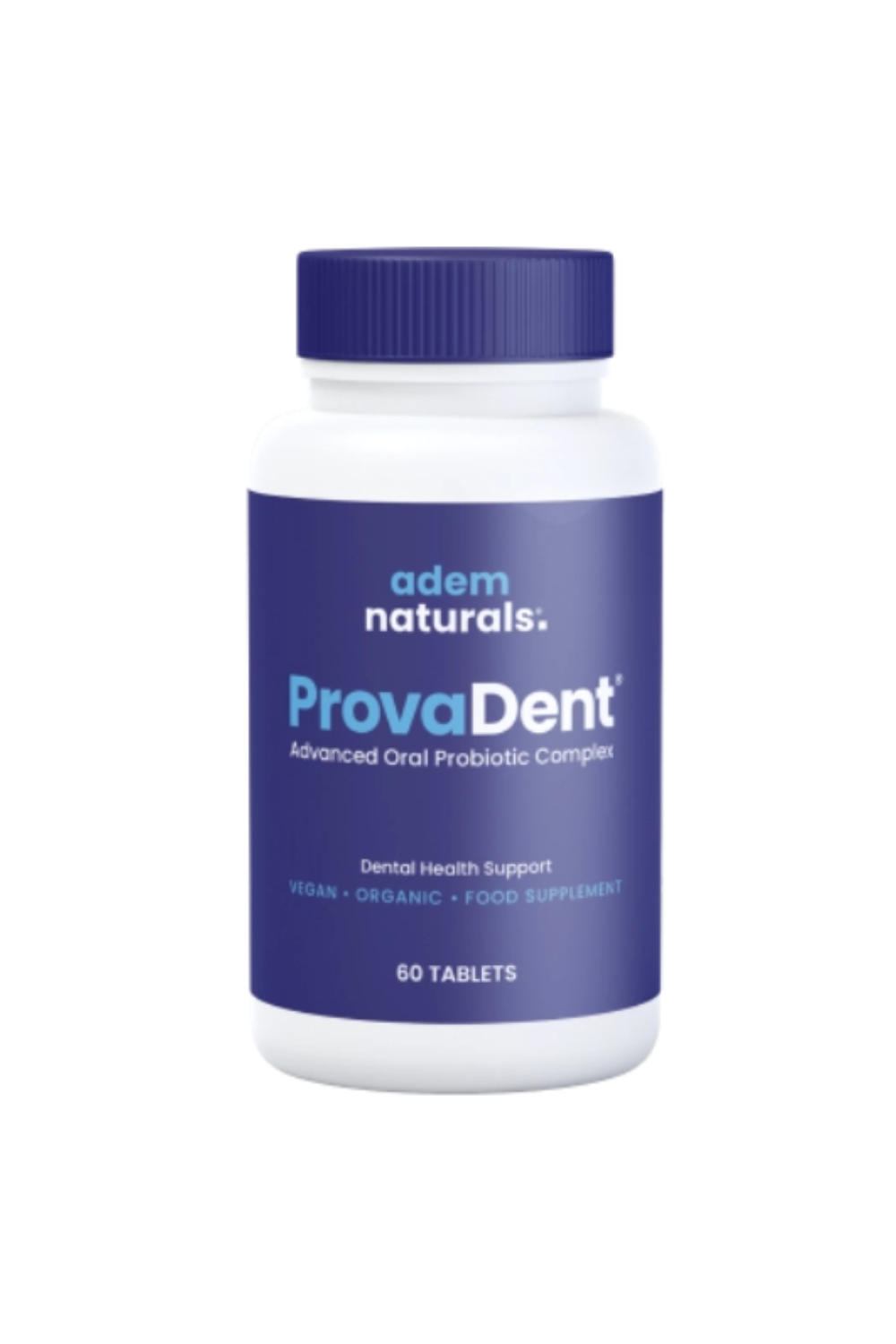
✅ Helps support fresher breath
✅ Supports healthier gums
✅ Promotes daily oral wellness habits
✅ Helps maintain a cleaner mouth feeling
✅ Complements brushing and flossing routines
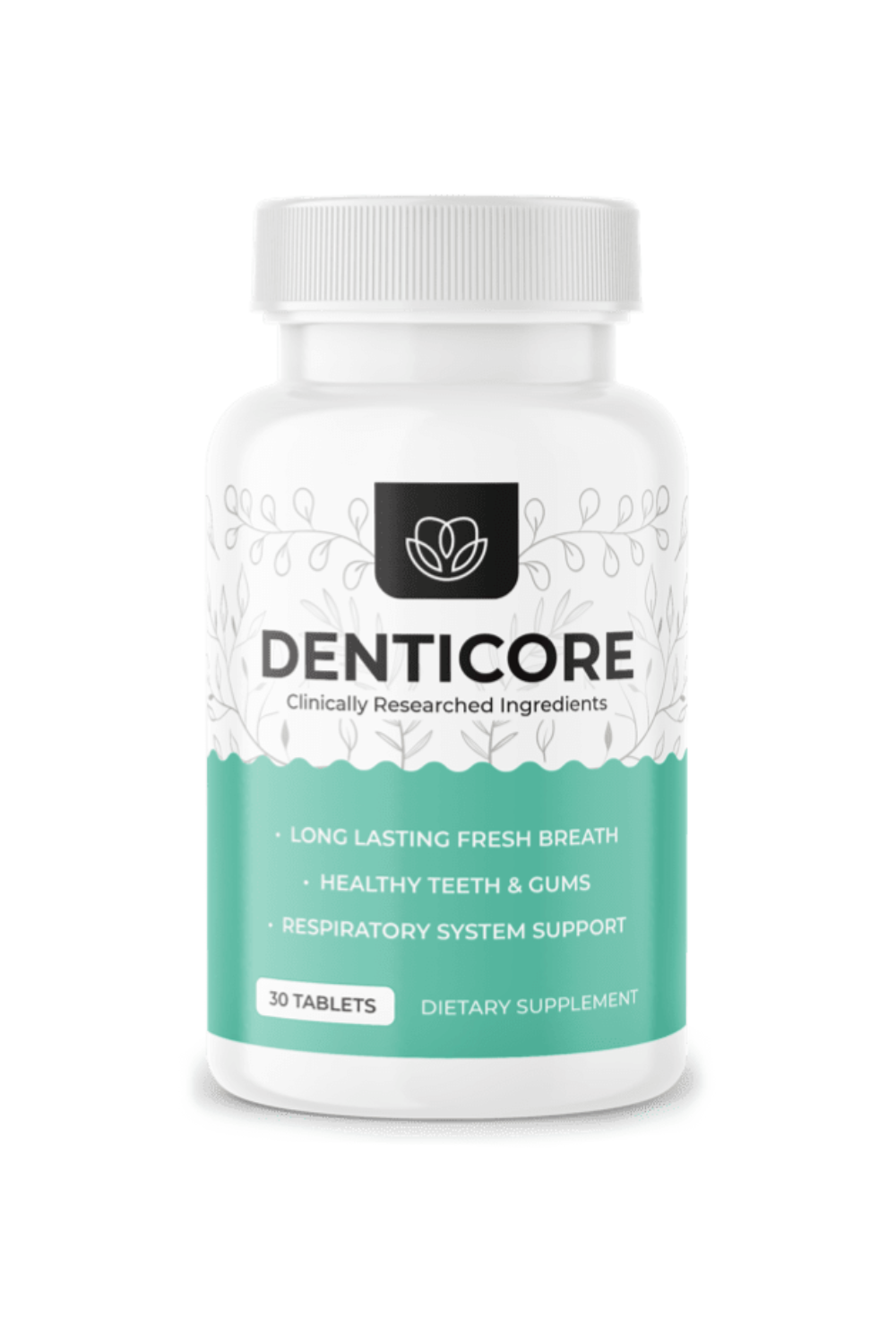
Looking to build a healthier smile through simple daily habits? Our Complete Oral Wellness Guide brings together expert insights on oral hygiene, healthy gums, fresh breath, nutrition, saliva, and the oral microbiome to help you create a complete oral wellness routine.
Read the Complete Guide →Frequently Asked Questions
What is the oral microbiome?
The oral microbiome is the diverse community of microorganisms that naturally lives throughout the mouth, including the teeth, gums, tongue, cheeks, and saliva.
Why is oral microbiome balance important?
Researchers continue studying how microbial balance may contribute to fresh breath, comfortable gums, saliva production, and overall oral wellness.
Can nutrition influence the oral microbiome?
Yes. Food interacts directly with the oral environment, and balanced nutrition is frequently discussed in relation to microbial diversity and oral wellness.
Are oral probiotics the same as digestive probiotics?
No. Oral probiotics are designed for the oral environment, while traditional probiotics are generally associated with digestive wellness.
How can I support a healthier oral microbiome?
Commonly discussed habits include consistent oral hygiene, hydration, tongue cleaning, balanced nutrition, limiting excessive sugar, and maintaining healthy daily routines.
Can the oral microbiome affect fresh breath?
Researchers continue exploring how oral bacteria, saliva production, tongue cleanliness, and microbial balance may influence breath freshness.
Does the oral microbiome change over time?
Yes. Daily habits, hydration, nutrition, sleep quality, medications, and lifestyle factors may all influence the oral microbiome throughout life.
Is it possible to eliminate all oral bacteria?
No. Modern oral wellness focuses on supporting a balanced oral microbiome rather than eliminating all bacteria, since many microorganisms naturally exist in a healthy mouth.
Final Thoughts
The oral microbiome has transformed the way researchers understand oral wellness.
Rather than viewing the mouth simply as teeth and gums, modern science increasingly recognizes it as a living ecosystem where bacteria, saliva, nutrition, hydration, and daily habits continuously interact.
Although research continues evolving, one message remains remarkably consistent: long-term oral wellness is typically supported by sustainable daily behaviors rather than isolated solutions.
Understanding how the oral microbiome works allows individuals to make more informed decisions about oral hygiene, nutrition, hydration, and overall lifestyle habits. Over time, these small, consistent actions may help support fresher breath, healthier gums, greater oral comfort, and a more balanced oral environment.
Whether you are just beginning your oral wellness journey or looking to deepen your understanding of the oral microbiome, building healthy daily habits remains one of the most valuable investments you can make in your long-term oral health.
Ready to Explore Your Oral Wellness Options?
Whether you’re interested in supporting your oral microbiome, healthy gums, or overall oral wellness, our in-depth product reviews can help you make a more informed decision.
Explore Product Reviews
RELATED POSTS
How Does BioDentex Work? A Complete Guide to the Formula
Many people researching oral wellness supplements eventually ask the same question: How does BioDentex work? According to the manufacturer, BioDentex is designed to support everyday oral wellness through a proprietary blend containing more than 11 plants, minerals, and nutrients. Rather than focusing on a single ingredient or a single aspect of oral care, the formula…
Key Differences: Oral Probiotics vs Regular Probiotics Explained
Oral probiotics vs regular probiotics is a topic that often causes confusion among people interested in wellness and microbiome health. While both involve beneficial microorganisms, they are typically discussed in different contexts and may have different intended purposes. As research into microbiomes continues to grow, scientists are studying how various communities of microorganisms interact with…
Can Antibiotics Affect the Oral Microbiome?
Antibiotics have transformed modern medicine by helping treat bacterial infections and prevent serious health complications. While these medications are often essential, researchers have also been studying how they may influence the communities of beneficial microorganisms that naturally live throughout the body—including those found in the mouth. This has raised an important question: Can antibiotics affect…
Dental Probiotics vs Oral Probiotics: What’s the Difference?
If you’ve been researching ways to support your oral wellness, you’ve probably come across both dental probiotics and oral probiotics. At first glance, these terms may seem to describe different types of supplements, leaving many people wondering which one is the right choice. In reality, the distinction is often more about language and context than…
Best Dental Probiotics: Editorial Comparison of Popular Oral Probiotic Supplements
As interest in the oral microbiome continues to grow, more people are looking for the best dental probiotics to complement their daily oral care routine. With dozens of supplements available, however, comparing products can quickly become overwhelming. Labels often highlight similar benefits, ingredient blends, and quality claims, making it difficult to understand what truly differentiates…
Foods That Support the Oral Microbiome: Powerful Choices for Better Oral Wellness
Foods That Support the Oral Microbiome have become an increasingly popular topic as researchers continue exploring the relationship between nutrition and oral wellness. While brushing and flossing remain essential daily habits, what we eat may also influence the balance of bacteria living inside the mouth. The oral microbiome is a complex community of microorganisms that…