7 Common Foods That May Harm the Oral Microbiome
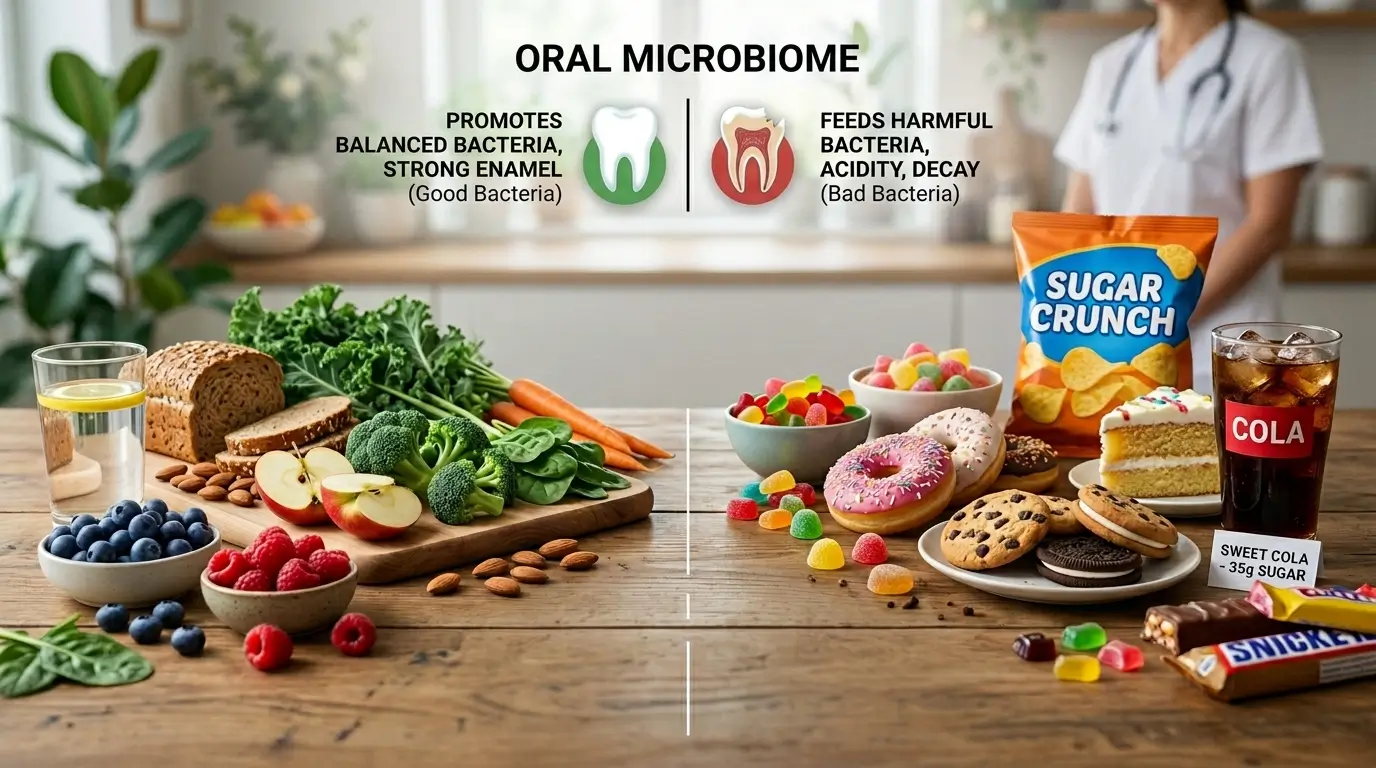
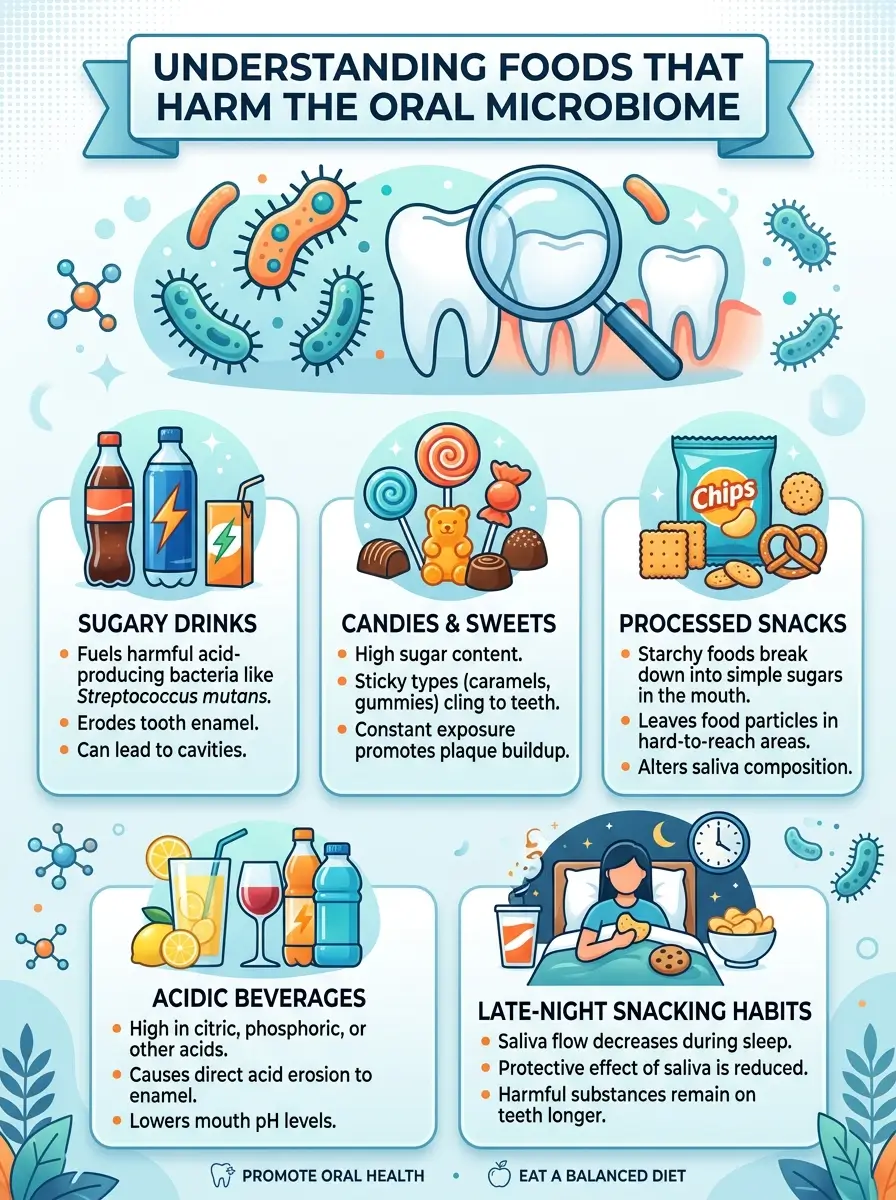
Foods that may harm the oral microbiome are often discussed in conversations about oral wellness and bacterial balance. While no single food determines oral health, dietary habits may influence the environment where oral bacteria naturally live.
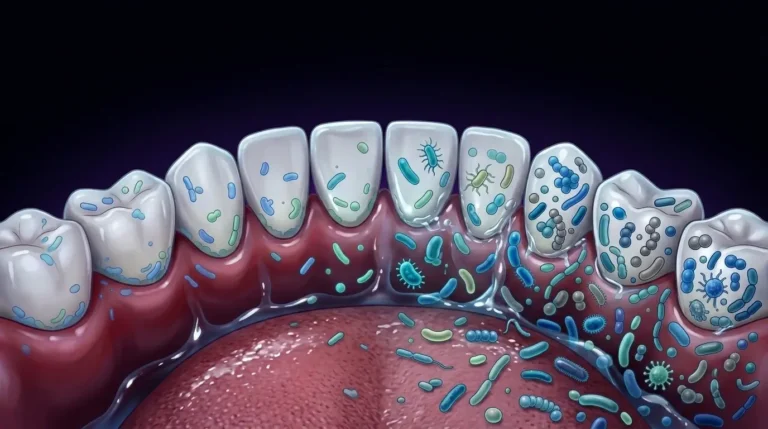
The oral microbiome consists of billions of microorganisms that form a complex ecosystem inside the mouth. Researchers continue studying how everyday choices, including diet, may affect this environment and contribute to overall oral wellness.
Although enjoying occasional treats is a normal part of life, understanding which foods may negatively influence oral balance can help support healthier long-term habits.
Understanding the Oral Microbiome and Diet
Before discussing foods that may harm the oral microbiome, it’s important to understand how diet and oral bacteria interact.
The oral microbiome is constantly influenced by factors such as:
- Oral hygiene habits
- Hydration
- Sleep quality
- Nutrition
- Lifestyle choices
Researchers continue investigating how dietary habits may contribute to changes in the oral environment and bacterial balance.
Focus on Overall Dietary Patterns
Oral wellness is rarely influenced by a single meal or food choice. Instead, long-term dietary patterns often have a greater impact on the oral environment. Consistency tends to matter more than perfection.
1. Sugary Beverages
Sugary drinks are among the most frequently discussed dietary factors in oral wellness conversations.
Examples include:
- Soft drinks
- Sweetened teas
- Energy drinks
- Sweetened fruit beverages
Frequent consumption may contribute to conditions that influence the oral environment and bacterial activity.
2. Sticky Sweets and Candies
Sticky candies tend to remain in contact with oral surfaces longer than many other foods.
Examples include:
- Caramels
- Gummies
- Chewy candies
- Taffy
Because these foods can linger in the mouth, they are often discussed in relation to oral hygiene and oral wellness habits.

3. Frequent Sugary Snacks
It’s not only the amount of sugar that matters but also how often it is consumed.
Frequent snacking throughout the day may expose the oral environment to repeated periods of sugar exposure.
Many oral wellness experts encourage mindful snacking habits as part of a balanced routine.
4. Highly Processed Foods
Highly processed foods often contain combinations of:
- Added sugars
- Refined carbohydrates
- Artificial ingredients
While these foods can be convenient, many wellness-focused dietary approaches emphasize whole-food options whenever possible.
5. Acidic Drinks
Acidic beverages are another topic frequently discussed in oral wellness research.
Examples include:
- Soft drinks
- Certain sports drinks
- Some flavored beverages
- Highly acidic fruit drinks
Researchers continue exploring how acidity may influence the oral environment over time.
6. Excessively Sweetened Coffee Drinks
Coffee itself is not necessarily the concern.
However, specialty coffee beverages may contain:
- Flavored syrups
- Added sugars
- Sweet toppings
- Whipped cream
These additions can significantly increase sugar intake and are often included in discussions about dietary habits and oral wellness.

7. Frequent Late-Night Snacking
Late-night eating habits may affect oral wellness when food particles remain in the mouth for extended periods.
This is especially relevant when snacks are:
- Sugary
- Sticky
- Highly processed
Maintaining consistent evening oral hygiene routines may help support a healthier oral environment.
Quick Overview: Foods Commonly Discussed in Oral Microbiome Research
| Food or Habit | Why It Is Commonly Discussed |
|---|---|
| 🥤 Sugary Beverages | Frequently discussed because regular consumption may influence oral bacterial activity and overall oral balance. |
| 🍬 Sticky Sweets and Candies | Often remain in contact with oral surfaces for extended periods, making them a common topic in oral wellness discussions. |
| 🍪 Frequent Sugary Snacks | Repeated sugar exposure throughout the day is frequently studied in relation to the oral environment. |
| 📦 Highly Processed Foods | May contain added sugars, refined carbohydrates, and ingredients commonly discussed in wellness-focused nutrition research. |
| 🥤 Acidic Drinks | Researchers continue investigating how acidity may influence the oral environment over time. |
| ☕ Sweetened Coffee Drinks | Specialty beverages often contain added sugars and sweet toppings that may increase overall sugar intake. |
| 🌙 Late-Night Snacking | Frequently discussed because food particles may remain in the mouth for extended periods during sleep. |
Foods That May Support Better Oral Balance Instead
Rather than focusing only on foods to limit, many people prefer concentrating on foods that may support oral wellness.
Examples include:
- Fresh fruits
- Vegetables
- Water-rich foods
- Yogurt and fermented foods
- Nutrient-dense whole foods
Our guides on foods that support the oral microbiome and how oral probiotics work explore these topics in greater detail.
How Diet May Influence the Oral Environment
Researchers continue studying how nutrition may affect the oral microbiome and overall oral wellness. While many questions remain under investigation, dietary habits are widely recognized as one of several factors that may influence the oral environment over time.
Balance Is Often More Sustainable Than Restriction
Many oral wellness experts encourage focusing on balanced dietary habits rather than eliminating specific foods entirely. Building sustainable habits often supports long-term wellness more effectively than short-term restrictions.
Supporting a Balanced Oral Wellness Routine
Some people also explore modern oral wellness supplements designed to support bacterial balance, fresh breath habits, and overall oral wellness as part of a broader daily routine.
Learn More Through Our In-Depth Reviews Below.
Recommended Reviews
Explore Our Top Oral Wellness Reviews
Looking for additional ways to support your oral wellness journey? Explore our in-depth reviews of some of the most popular oral health supplements and discover how they compare.
ProDentim

✅ Supports oral microbiome balance
✅ May help promote fresher breath
✅ Supports healthier gums
✅ Helps support daily oral wellness habits
✅ Designed to complement oral hygiene routines
ProvaDent
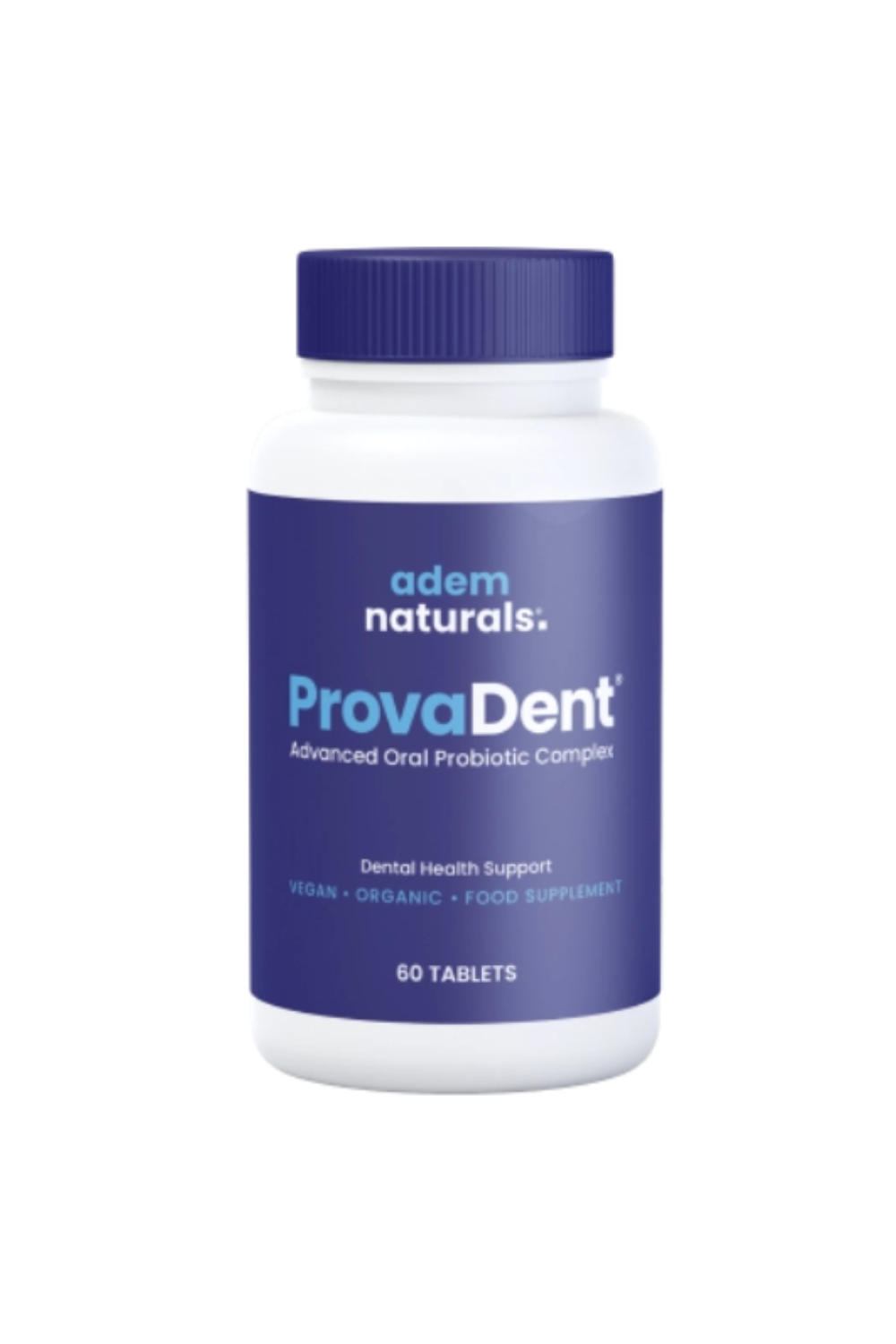
✅ Helps support fresher breath
✅ Supports healthier gums
✅ Promotes daily oral wellness habits
✅ Helps maintain a cleaner mouth feeling
✅ Complements brushing and flossing routines
Looking to build a healthier smile through simple daily habits? Our Complete Oral Wellness Guide brings together expert insights on oral hygiene, healthy gums, fresh breath, nutrition, saliva, and the oral microbiome to help you create a complete oral wellness routine.
Read the Complete Guide →Frequently Asked Questions About Foods That May Harm the Oral Microbiome
What foods affect the oral microbiome?
Many factors may influence the oral microbiome, including dietary patterns, hydration, oral hygiene habits, and overall lifestyle choices.
Can sugar influence oral bacteria?
Researchers continue studying how sugar consumption may affect the oral environment and bacterial activity within the mouth.
Are acidic drinks bad for oral wellness?
Acidic beverages are commonly discussed in oral wellness research because they may influence the oral environment when consumed frequently.
How does diet affect breath freshness?
Dietary choices may influence breath freshness through several mechanisms, including interactions with oral bacteria and overall oral hygiene habits.
What foods may support a healthier oral microbiome?
Many people focus on fruits, vegetables, water-rich foods, and fermented foods as part of broader oral wellness and healthy lifestyle routines.
Want to explore this topic in greater depth? Our Complete Guide to Oral Microbiome Wellness explains how the oral microbiome works, what influences microbial balance, and the daily habits that may help support a healthier oral environment.
Read the Complete Guide →Final Thoughts on This Foods That May Harm the Oral Microbiome Guide
Foods that may harm the oral microbiome are often part of broader discussions about oral wellness, nutrition, and healthy lifestyle habits. While no single food determines oral health outcomes, long-term dietary patterns may influence the environment where oral bacteria naturally exist.
By combining balanced nutrition, good oral hygiene, hydration, and healthy daily habits, individuals can take practical steps toward supporting a healthier oral environment and overall oral wellness.
Ready to Explore Your Oral Wellness Options?
Whether you’re interested in supporting your oral microbiome, healthy gums, or overall oral wellness, our in-depth product reviews can help you make a more informed decision.
Explore Product Reviews