
Can Antibiotics Affect the Oral Microbiome?
Antibiotics have transformed modern medicine by helping treat bacterial infections and prevent serious health complications. While these medications are often essential, researchers have also been studying how they may influence the communities of beneficial microorganisms that naturally live throughout the body—including those found in the mouth.
This has raised an important question: Can antibiotics affect the oral microbiome?
Current research suggests that antibiotics may temporarily alter the balance of microorganisms within the oral microbiome, although the extent of these changes can vary depending on factors such as the type of antibiotic, treatment duration, individual biology, and overall oral health. Researchers continue to investigate how quickly the oral microbiome recovers and which habits may help support a healthy microbial balance.
In this guide, we’ll examine what current research says, explain why antibiotics can influence the oral microbiome, and explore practical ways to support long-term oral wellness.
If you’re new to this topic, our What Is the Oral Microbiome? guide explains why maintaining a balanced oral ecosystem has become an important focus of modern oral health research.
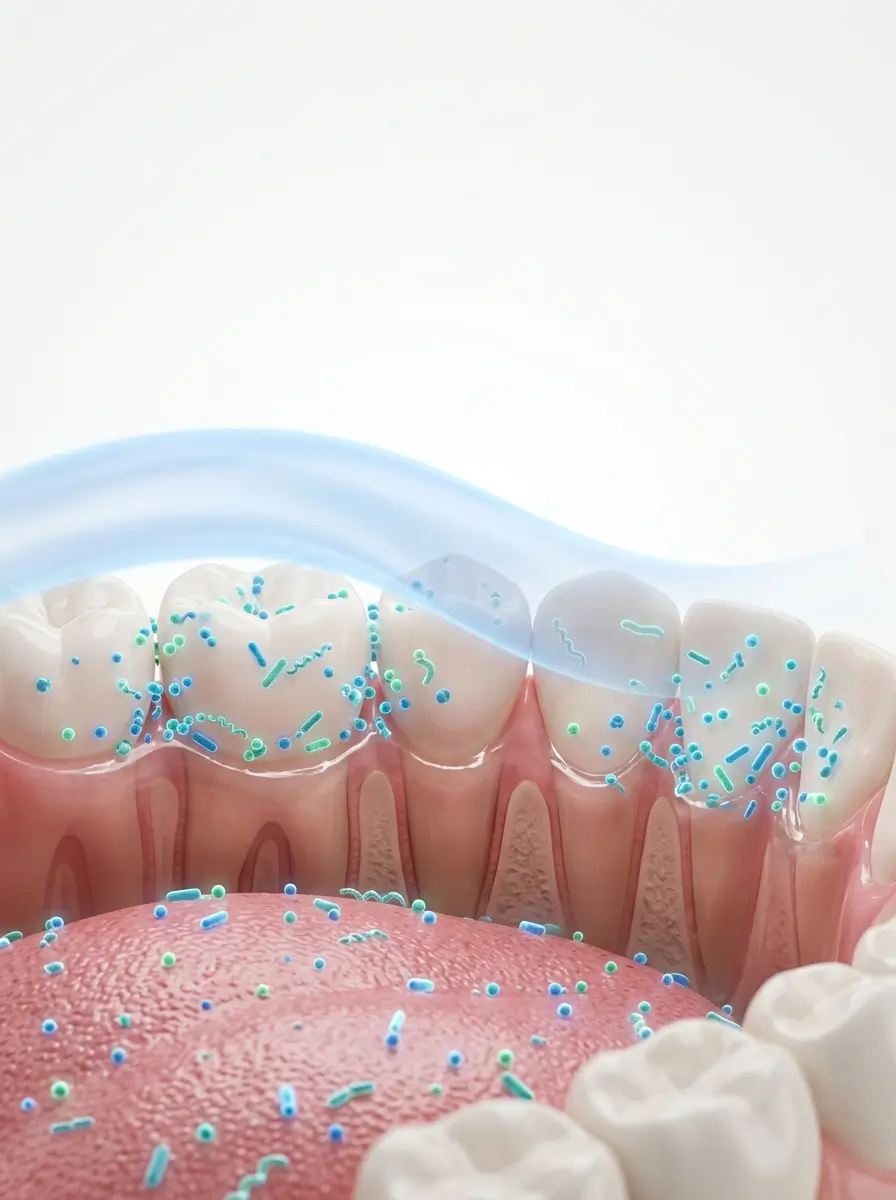
Understanding how antibiotics interact with oral bacteria, why beneficial microorganisms matter, what current research suggests about the oral microbiome, how microbial balance may recover over time, and which daily habits support long-term oral wellness can help you make more informed oral care decisions.
What Is the Oral Microbiome?
The oral microbiome is a complex ecosystem made up of hundreds of different microorganisms that naturally live on the teeth, tongue, gums, cheeks, and saliva. Rather than existing as isolated organisms, these microbes interact continuously with each other and with the surrounding oral environment.
Current research suggests that maintaining a balanced oral microbiome may play an important role in supporting long-term oral wellness. Many microorganisms naturally present in the mouth perform beneficial functions, which is why researchers now focus on preserving microbial balance rather than simply eliminating bacteria.
To better understand this ecosystem, explore our What Is the Oral Microbiome? guide.
Why Can Antibiotics Affect the Oral Microbiome?
Antibiotics are designed to reduce or eliminate bacteria that contribute to bacterial infections. However, because many antibiotics are not selective enough to target only harmful bacteria, they may also influence beneficial microbial populations.
Researchers suggest that this temporary reduction in microbial diversity may alter the balance of the oral microbiome until the microbial community gradually re-establishes itself.
The degree of change may vary depending on several factors, including the specific antibiotic prescribed, the duration of treatment, age, diet, oral hygiene habits, and individual biological differences.
What Does Current Research Suggest?
Scientific studies suggest that antibiotics may temporarily reduce microbial diversity within the oral cavity, affecting both beneficial and potentially harmful bacteria.
Researchers continue to investigate:
- how long these changes last;
- how quickly microbial diversity returns;
- whether repeated antibiotic use produces cumulative effects;
- which lifestyle factors may support recovery.
Although many studies report measurable changes after antibiotic therapy, researchers also note that the oral microbiome demonstrates considerable resilience and often begins recovering once treatment ends.
Large clinical studies are still needed to better understand long-term effects and individual variation.
How Long Does It Take for the Oral Microbiome to Recover?
One of the most common questions after taking antibiotics is how long it takes for the oral microbiome to return to its usual balance.
Current research suggests that recovery begins soon after antibiotic treatment ends, but the timeline can vary considerably from person to person. Factors such as age, overall health, oral hygiene habits, diet, hydration, smoking status, and the type of antibiotic used may all influence the recovery process.
Researchers also note that some bacterial communities may recover more quickly than others, while certain microbial changes may persist longer depending on individual circumstances.
Although the oral microbiome demonstrates remarkable resilience, maintaining healthy daily habits may help support its natural recovery over time.
What Habits May Help Support the Oral Microbiome After Antibiotics?
Although the body naturally works to restore microbial balance, daily habits may also play an important role in supporting oral wellness during recovery.
Healthy practices include:
- Brushing twice daily using proper technique.
- Flossing every day.
- Staying well hydrated.
- Eating a balanced diet rich in fruits, vegetables, and fiber.
- Including naturally fermented foods when appropriate.
- Limiting excessive sugar intake.
- Attending regular dental checkups.
Some adults also choose to include Dental Probiotics as part of their broader oral wellness routine. According to current research, certain probiotic strains are being investigated for their potential role in supporting microbial balance, although additional clinical studies are still needed.
For more information, explore our Powerful Foods Rich in Natural Probiotics and Do Dental Probiotics Really Work? guides.
Current Research Perspective
Current evidence suggests that antibiotics may temporarily alter the composition of the oral microbiome. However, research also indicates that the oral microbial ecosystem is highly dynamic and often capable of recovering after treatment.
Scientists continue to investigate which factors—including oral hygiene habits, nutrition, lifestyle, and overall health—most strongly influence microbial recovery and long-term oral microbiome stability.
Can Dental Probiotics Help After Antibiotic Use?
Following a course of antibiotics, many people wonder whether dental probiotics may help support the oral microbiome.
Current research is exploring how specific probiotic strains may contribute to maintaining microbial balance after disturbances to the oral ecosystem. While early findings are encouraging, researchers continue to study which strains, dosages, and treatment durations may be most appropriate.
For this reason, dental probiotics should be viewed as a complement to healthy daily oral care rather than a replacement for brushing, flossing, or regular dental visits.
If you’re interested in learning more, our Best Dental Probiotics guide compares several popular formulations and explains their different approaches.
Antibiotics vs. Daily Oral Wellness Habits
Although both play important roles in oral care, antibiotics and everyday oral hygiene serve very different purposes. Antibiotics are intended to treat specific bacterial infections under professional guidance, while consistent daily habits help support a balanced oral microbiome and long-term oral wellness. The comparison below highlights how these approaches differ and why they should be viewed as complementary rather than interchangeable.
| Feature | Antibiotic Treatment | Daily Oral Wellness Habits |
|---|---|---|
| Primary Purpose | Treat bacterial infections under professional guidance. | Support long-term oral wellness through consistent daily habits. |
| Duration | Typically temporary and used for a defined treatment period. | Intended to be maintained as part of an ongoing daily routine. |
| Effect on Oral Bacteria | May affect both beneficial and potentially harmful bacteria. | Helps support a balanced oral environment over time. |
| Professional Guidance | Usually prescribed or recommended by a qualified healthcare professional. | Recommended as part of everyday oral hygiene and preventive care. |
| Long-Term Role | Addresses specific bacterial infections when medically appropriate. | Supports healthy oral habits and long-term oral wellness. |
Popular Oral Probiotic Supplements Available Today
Several oral probiotic supplements are designed to complement a healthy oral wellness routine. Each formula uses a different combination of probiotic strains, botanical ingredients, or supporting nutrients.
You can learn more about these products in our detailed editorial reviews:
Supplement | Formula Overview | Editorial Context | Full Review |
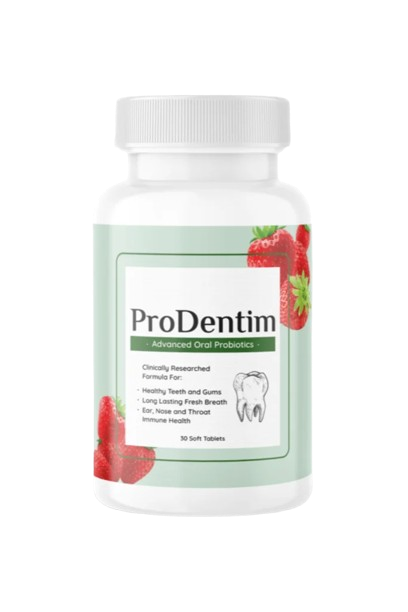
Prodentim | An oral probiotic formula combining selected probiotic strains with complementary ingredients intended for everyday oral wellness. | Frequently discussed by adults exploring probiotics, beneficial bacteria, and the oral microbiome. | |
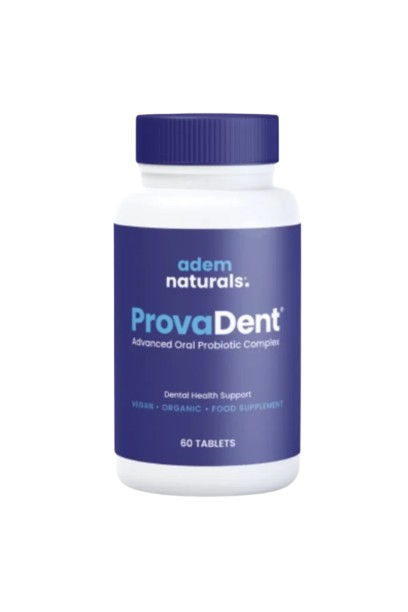
ProvaDent | An oral wellness formula combining probiotic strains with complementary ingredients in a daily supplement. | Positioned for adults interested in supporting the oral microbiome as part of a consistent oral care routine. | |
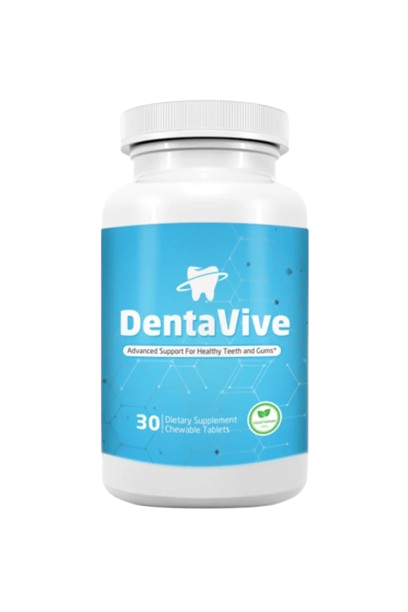
DentaVive | A dietary supplement developed around a combination of oral wellness ingredients and broader nutritional support. | May interest readers researching a more comprehensive approach connecting oral wellness with daily lifestyle habits. | |
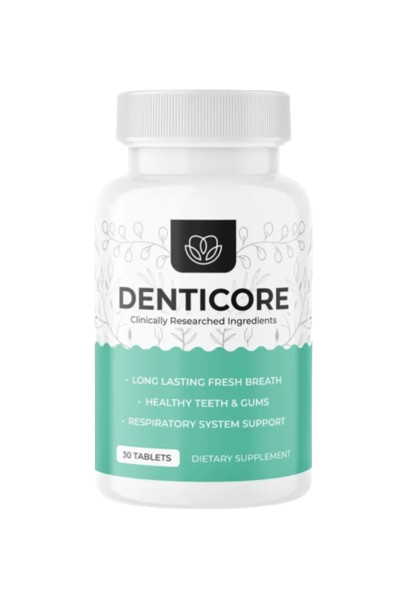
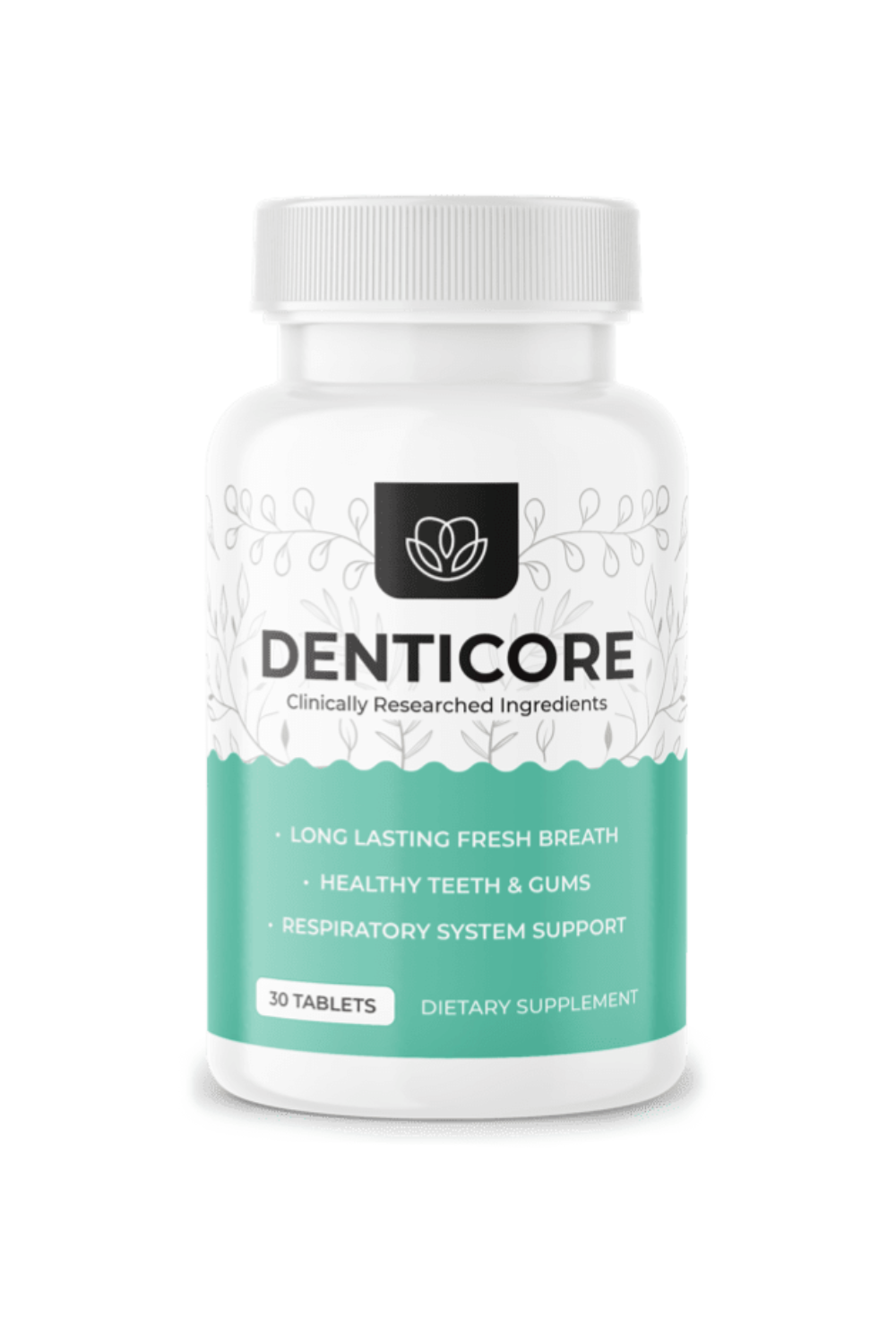
DentiCori | An oral wellness supplement formulated with ingredients selected to complement healthy teeth, gums, and daily oral care habits. | Often considered by readers exploring supplements with a broader approach to long-term oral wellness. | |
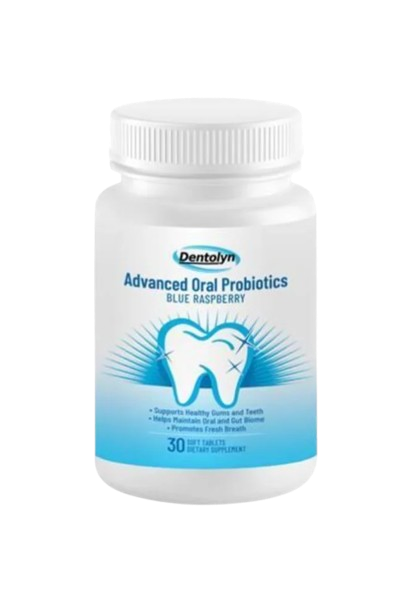
Dentolyn | A dietary supplement containing ingredients associated with teeth, gums, fresh breath, and overall oral wellness. | Created for readers comparing ways to complement brushing, flossing, and regular professional dental care. |
Each review examines ingredient transparency, manufacturing standards, pricing, guarantee information, and our editorial assessment to help readers make informed decisions.
Want to explore this topic in greater depth? Our Complete Guide to Oral Microbiome Wellness explains how the oral microbiome works, what influences microbial balance, and the daily habits that may help support a healthier oral environment.
Read the Complete Guide →Frequently Asked Questions About Antibiotics and the Oral Microbiome
The questions below summarize what current research suggests about antibiotics, beneficial oral bacteria, microbial recovery, and the everyday habits that help support long-term oral wellness.
Can antibiotics affect the oral microbiome?
Yes. Current research suggests that antibiotics can temporarily change the diversity and balance of microorganisms that naturally live in the mouth. The extent of these changes may depend on the type of antibiotic, treatment duration, individual biology, diet, and overall oral health.
Do antibiotics kill beneficial oral bacteria?
Some antibiotics can affect both potentially harmful and beneficial bacteria because they do not always target only the microorganisms responsible for an infection. This may temporarily alter the oral microbial community while the body begins rebuilding its usual balance.
How long does the oral microbiome take to recover?
There is no universal recovery timeline. The oral microbiome may begin recovering after antibiotic treatment ends, but the process can vary depending on the medication used, treatment duration, age, diet, hydration, oral hygiene habits, and individual biological differences.
Can dental probiotics help after antibiotics?
Researchers are investigating whether certain probiotic strains may help support microbial balance following antibiotic use. While some findings are promising, additional high-quality clinical research is still needed. Dental probiotics are intended to complement—not replace—daily oral hygiene and professional dental care.
Should I stop taking antibiotics to protect my oral microbiome?
No. Never stop or change a prescribed antibiotic without consulting the healthcare professional who prescribed it. Antibiotics may be essential for treating bacterial infections, and protecting your overall health should remain the priority.
What foods may support the oral microbiome after antibiotics?
A balanced diet that includes vegetables, fruits, fiber-rich foods, and naturally fermented foods may support overall microbial diversity. Staying hydrated and limiting added sugars may also contribute to a healthier oral environment.
Can antibiotics cause temporary bad breath?
Some people may notice temporary changes in breath during or after antibiotic treatment. Possible contributing factors include temporary changes in the oral microbiome, dry mouth, illness, hydration, diet, or other medications. Persistent bad breath should be evaluated by a qualified dental or healthcare professional.
Where can I learn more about the oral microbiome?
Our complete guide to the oral microbiome explains the role of beneficial bacteria, microbial balance, and the daily habits that may help support a healthier oral ecosystem.
Can Antibiotics Affect the Oral Microbiome? Final Thoughts
Can antibiotics affect the oral microbiome? Based on current scientific evidence, antibiotics may temporarily influence the balance and diversity of microorganisms naturally present in the mouth. However, the oral microbiome is a dynamic ecosystem, and research suggests it often begins recovering after treatment is completed.
Healthy daily habits—including good oral hygiene, balanced nutrition, adequate hydration, and regular dental care—remain the foundation of long-term oral wellness. For some individuals, oral probiotic supplements may also serve as a complementary part of this routine, although researchers continue to investigate their role following antibiotic use.
As our understanding of the oral microbiome continues to grow, making informed decisions based on current evidence can help support healthier habits and a more balanced oral environment.
Scientific References and Further Reading
- Baker JL, Mark Welch JL, Kauffman KM, et al. The Oral Microbiome: Diversity, Biogeography and Human Health. Nature Reviews Microbiology (2024).
https://www.nature.com/articles/s41579-023-00963-6 (Nature) - PubMed – The Oral Microbiome: Diversity, Biogeography and Human Health
https://pubmed.ncbi.nlm.nih.gov/37700024/ (PubMed) - PubMed Central (Full Text) – The Oral Microbiome: Diversity, Biogeography and Human Health
https://pmc.ncbi.nlm.nih.gov/articles/PMC11084736/ (PubMed Central (PMC)) - National Center for Complementary and Integrative Health (NCCIH) – Probiotics: Usefulness and Safety
https://www.nccih.nih.gov/health/probiotics-usefulness-and-safety (NCCIH) - Centers for Disease Control and Prevention (CDC) – Antibiotic Use
https://www.cdc.gov/antibiotic-use/index.html (CDC)
Want to explore this topic in greater depth? Our Complete Guide to Oral Microbiome Wellness explains how the oral microbiome works, what influences microbial balance, and the daily habits that may help support a healthier oral environment.
Read the Complete Guide →Recommended Reviews
Explore Our Top Oral Wellness Reviews
Looking for additional ways to support your oral wellness journey? Explore our in-depth reviews of some of the most popular oral health supplements and discover how they compare.
ProDentim

✅ Supports oral microbiome balance
✅ May help promote fresher breath
✅ Supports healthier gums
✅ Helps support daily oral wellness habits
✅ Designed to complement oral hygiene routines
ProvaDent
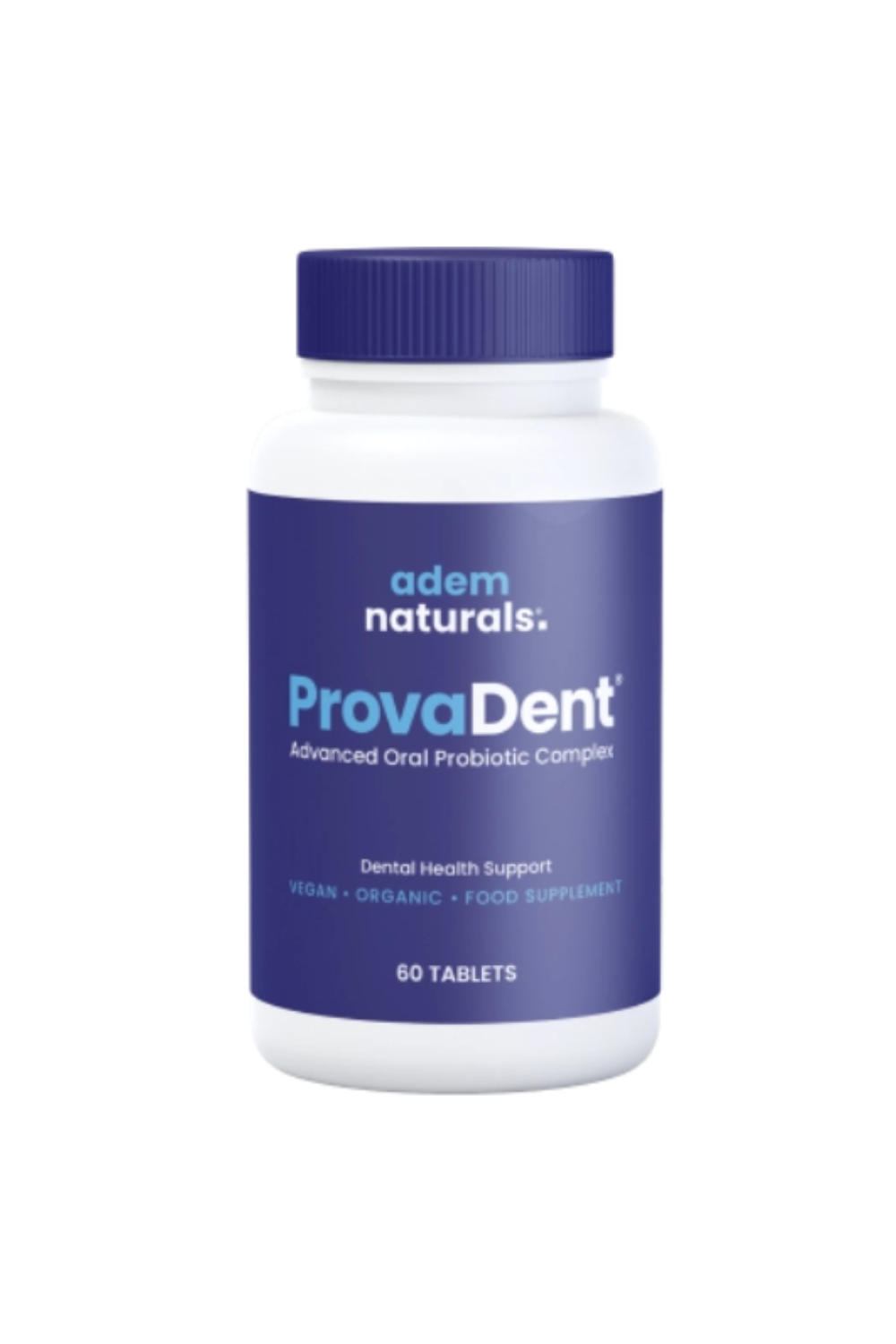
✅ Helps support fresher breath
✅ Supports healthier gums
✅ Promotes daily oral wellness habits
✅ Helps maintain a cleaner mouth feeling
✅ Complements brushing and flossing routines