
Do Dental Probiotics Really Work? What Current Research Says
As interest in the oral microbiome continues to grow, more people are asking the same question: Do dental probiotics really work?
Unlike traditional oral care products that focus primarily on removing bacteria, dental probiotics are designed to support the natural balance of beneficial microorganisms that live in the mouth. This different approach has attracted growing attention from researchers, healthcare professionals, and consumers interested in long-term oral wellness.
While scientific research on oral probiotics continues to evolve, a growing number of studies have explored how certain probiotic strains may support the oral microbiome as part of a healthy daily routine. However, it’s important to understand what the current evidence actually suggests—and just as importantly, what it does not.
In this guide, we’ll examine the current research, explain how dental probiotics are designed to work, discuss the limitations of existing evidence, and help you better understand where these supplements may fit within an overall oral wellness routine.
If you’re comparing products, don’t miss our Best Dental Probiotics guide, where we review some of the most popular formulas currently available.

Understanding current research, how dental probiotics are designed to work, the factors that may influence individual results, the questions that science is still exploring, and how to evaluate product quality can help you make more informed decisions about oral wellness supplements.
Why Are More People Asking If Dental Probiotics Really Work?
For decades, oral care focused almost entirely on removing bacteria through brushing, flossing, and mouthwash.
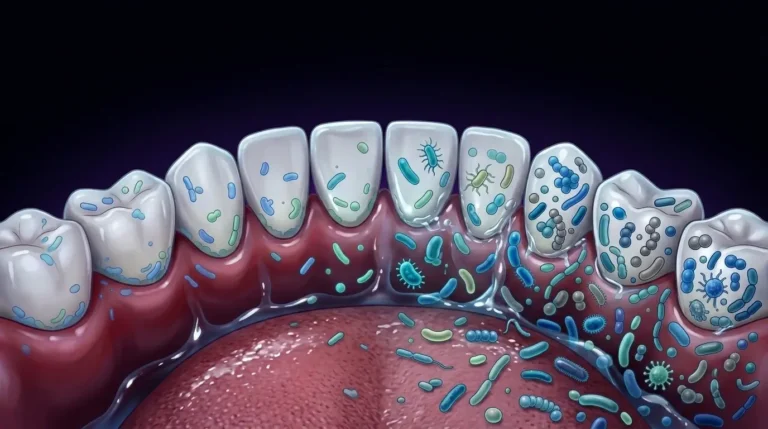
Today, researchers have a broader understanding of the oral microbiome—the complex community of microorganisms that naturally lives inside the mouth. Rather than viewing all bacteria as harmful, scientists now recognize that maintaining a balanced microbial environment may play an important role in long-term oral wellness.
As awareness of this concept has increased, so has interest in dental probiotics. Many consumers now want to know whether these supplements truly make a difference or whether they’re simply another wellness trend.
If you’re new to this topic, our What Is the Oral Microbiome? guide explains why maintaining microbial balance has become an important area of scientific research.
What Does Current Research Suggest?
Current scientific evidence suggests that certain probiotic strains may help support a balanced oral microbiome when used alongside good oral hygiene practices.
Researchers have investigated potential roles for oral probiotics in areas such as:
- supporting microbial balance;
- promoting fresh breath;
- supporting gum health;
- helping maintain a healthy oral environment.
However, it’s important to recognize that results vary across studies. Different research uses different probiotic strains, dosages, treatment durations, and participant populations, making direct comparisons difficult.
Most researchers agree that the available evidence is promising, but additional high-quality clinical studies are still needed to better understand which probiotic strains, dosages, and treatment protocols may offer the greatest benefits.
How Are Dental Probiotics Designed to Work?
Unlike traditional oral care products that primarily focus on reducing bacteria, dental probiotics are designed to introduce beneficial microorganisms into the oral environment.
According to manufacturers, these beneficial bacteria are intended to complement the natural oral microbiome by supporting a balanced microbial ecosystem rather than attempting to eliminate bacteria altogether.
This concept differs from traditional approaches because it recognizes that many bacteria naturally present in the mouth play important roles in maintaining oral health.
For a more detailed explanation, read our How Oral Probiotics Work guide.
What Factors May Influence the Results?
Like many wellness habits, the effectiveness of an oral care routine depends on more than a single product.
Several factors may influence how individuals respond to dental probiotics, including:
- daily brushing and flossing habits;
- tongue cleaning;
- overall diet;
- hydration;
- smoking status;
- consistent daily use;
- individual differences in the oral microbiome.
For this reason, dental probiotics are generally viewed as one component of a broader oral wellness routine rather than a standalone solution.
What Current Research Does Not Say
While research on dental probiotics has expanded considerably over the past decade, it’s equally important to understand the limitations of the current evidence.
Although many studies report encouraging findings, researchers generally agree that more large-scale clinical trials are needed before drawing definitive conclusions about specific probiotic strains or long-term outcomes.
Current research does not suggest that dental probiotics:
- replace brushing or flossing;
- eliminate the need for regular dental checkups;
- guarantee specific results;
- work the same way for every individual.
Instead, most studies evaluate dental probiotics as a complement to healthy daily oral hygiene habits rather than a standalone solution.
Maintaining a balanced diet, proper hydration, and consistent oral care practices continues to be the foundation of long-term oral wellness.
How to Choose a Quality Dental Probiotic
If you’re considering adding a dental probiotic to your daily routine, looking beyond marketing claims can help you make a more informed decision.
Some factors worth evaluating include:
- clearly disclosed ingredients;
- transparent manufacturing information;
- GMP manufacturing standards;
- availability through the official website;
- money-back guarantee;
- independent editorial reviews.
Comparing multiple products side by side can also help you better understand the differences between formulations before making a decision.
Our Best Dental Probiotics guide compares some of the most popular products currently available and explains the unique approach each formula takes.
Focus on the Entire Oral Wellness Routine
Dental probiotics are intended to complement—not replace—a healthy oral care routine. Consistent brushing, flossing, tongue cleaning, proper hydration, balanced nutrition, and regular dental checkups remain the foundation of long-term oral wellness, with supplements serving as one part of a broader daily strategy.
Looking for the Best Dental Probiotic?
With so many oral wellness supplements available today, choosing the right product can be challenging. Different formulas emphasize different ingredients, manufacturing approaches, and formulation philosophies.
To make comparison easier, we’ve created a comprehensive editorial guide that reviews some of the most popular dental probiotic supplements using consistent evaluation criteria.
→ Explore our complete guide to the Best Dental Probiotics to compare products, ingredients, and formulation approaches before making your decision.
Frequently Asked Questions About Dental Probiotics
The questions below summarize what current research suggests about dental probiotics, how they are intended to complement daily oral care, and what to consider when comparing different products.
Do dental probiotics really work?
Current research suggests that certain probiotic strains may support different aspects of oral wellness. However, results vary across studies, and additional clinical research is still needed to better understand their long-term effects.
Are dental probiotics scientifically proven?
Researchers have published numerous studies investigating oral probiotics, but the evidence continues to evolve. Many experts consider the current findings promising while acknowledging that further research is necessary.
How long does it take to notice results?
There is no universal timeline. Individual experiences may vary depending on the probiotic strains used, consistency of use, oral hygiene habits, lifestyle, and other personal factors.
Can dental probiotics replace brushing and flossing?
No. Dental probiotics are intended to complement—not replace—daily brushing, flossing, tongue cleaning, regular dental checkups, and other established oral hygiene practices.
Are dental probiotics safe?
Many dental probiotics are marketed as dietary supplements for healthy adults. Individuals who are pregnant, breastfeeding, have underlying medical conditions, or take prescription medications should consult a qualified healthcare professional before starting any new supplement.
Which probiotic strains are most commonly studied?
Several probiotic strains have been investigated in oral health research, including different species of Lactobacillus and Bifidobacterium. The specific strains included vary among products and clinical studies.
How can I compare different dental probiotics?
Comparing ingredient transparency, probiotic strains, formulation approach, manufacturing standards, and independent editorial reviews can provide a more balanced way to evaluate different dental probiotic supplements.
Where can I read product reviews?
Our detailed reviews of ProDentim, ProvaDent, BioDentex, and other dental probiotic supplements examine each product’s ingredients, formulation, manufacturing standards, pricing, guarantee, and overall transparency.
Do Dental Probiotics Really Work? Our Final Verdict
So, do dental probiotics really work?
Based on the current body of research, there is growing scientific interest in how specific probiotic strains may support oral wellness and contribute to a balanced oral microbiome. While many studies report encouraging findings, the evidence is still evolving, and researchers continue to investigate which strains, dosages, and treatment protocols are most effective.
Rather than viewing dental probiotics as a quick solution, it’s more appropriate to consider them as one component of a comprehensive oral wellness routine that also includes brushing, flossing, healthy nutrition, hydration, and regular dental care.
As scientific understanding of the oral microbiome continues to grow, consumers can make better-informed decisions by evaluating the available evidence, comparing product formulations, and choosing supplements from transparent manufacturers.

Scientific References and Further Reading
The information presented in this guide is based on peer-reviewed scientific literature and educational resources related to probiotics, oral health, and the oral microbiome. Readers interested in exploring the research in greater depth may consult the following references:
- Stamatova I, Meurman JH. Probiotics and Oral Health. Periodontology 2000. https://pubmed.ncbi.nlm.nih.gov/19432686/
- Gruner D, Paris S, Schwendicke F. Probiotics for Managing Caries and Periodontitis: A Systematic Review. Clinical Oral Investigations. https://pubmed.ncbi.nlm.nih.gov/25716139/
- National Center for Complementary and Integrative Health (NCCIH). Probiotics: What You Need To Know. https://www.nccih.nih.gov/health/probiotics-what-you-need-to-know
- Macke K, et al. The Benefits of Probiotics on Oral Health: Systematic Review of the Literature. Healthcare (2023). https://pubmed.ncbi.nlm.nih.gov/37765121/
- PubMed Central. Probiotics and Oral Health: A Systematic Review. https://pmc.ncbi.nlm.nih.gov/articles/PMC5432076/
Continue Your Research
Want to learn more?
Explore our Best Dental Probiotics guide to compare today’s leading formulas, or read our detailed ProDentim Review, ProvaDent Review, and BioDentex Review for in-depth editorial analyses of each product.
Recommended Reviews
Explore Our Top Oral Wellness Reviews
Looking for additional ways to support your oral wellness journey? Explore our in-depth reviews of some of the most popular oral health supplements and discover how they compare.
ProDentim

✅ Supports oral microbiome balance
✅ May help promote fresher breath
✅ Supports healthier gums
✅ Helps support daily oral wellness habits
✅ Designed to complement oral hygiene routines
ProvaDent
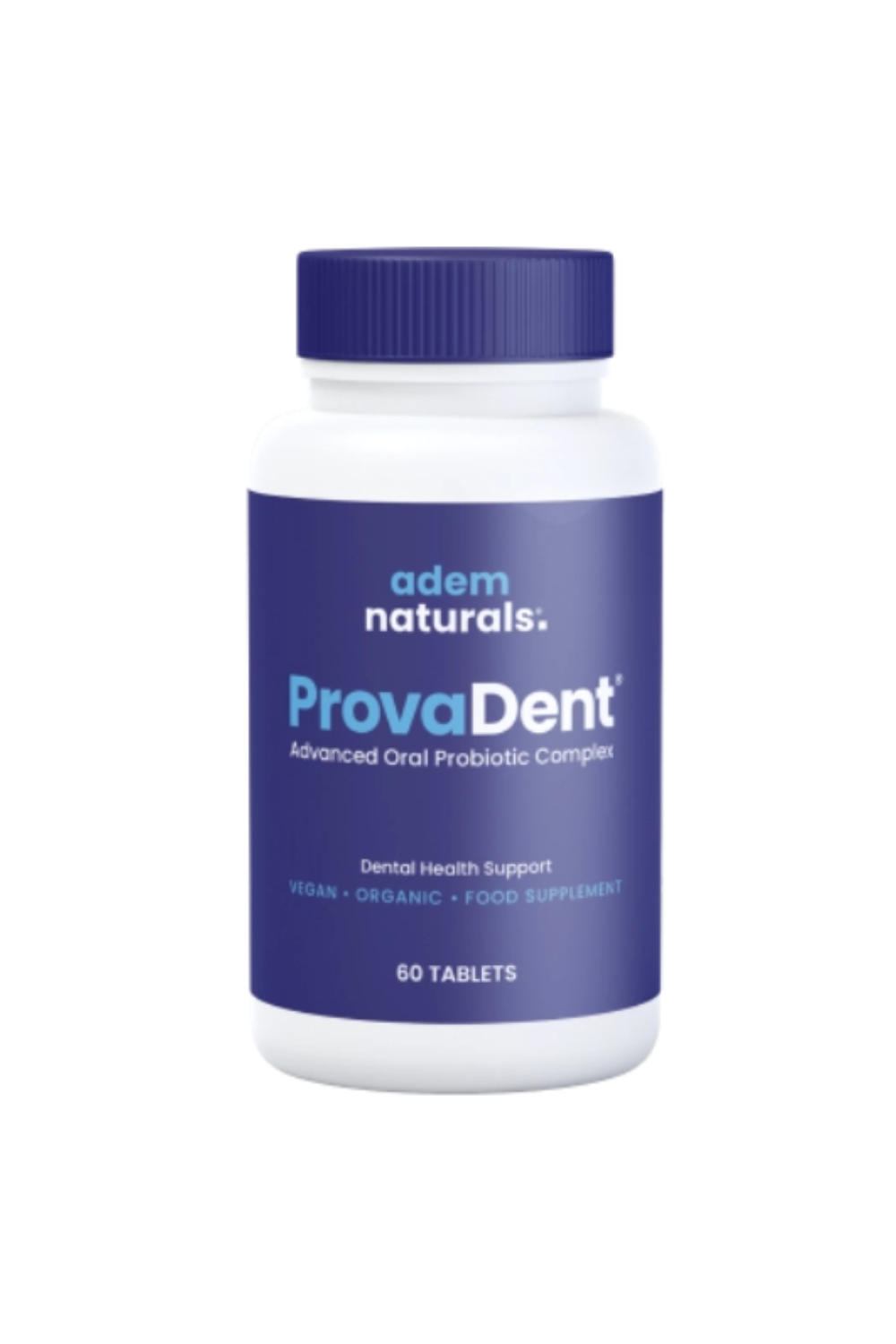
✅ Helps support fresher breath
✅ Supports healthier gums
✅ Promotes daily oral wellness habits
✅ Helps maintain a cleaner mouth feeling
✅ Complements brushing and flossing routines