
Can Mouthwash Harm the Oral Microbiome? What Current Research Says
Mouthwash has long been part of many people’s daily oral hygiene routine, helping reduce bacteria, freshen breath, and support overall oral cleanliness. However, as research into the oral microbiome has expanded, a new question has emerged: Can mouthwash harm the oral microbiome?
Scientists now understand that the mouth is home to a complex community of microorganisms, many of which play beneficial roles in maintaining oral health. Rather than simply eliminating bacteria, modern research focuses on preserving a balanced microbial environment that supports healthy teeth, gums, and fresh breath.
This has led researchers to investigate how different types of mouthwash may influence both beneficial and potentially harmful bacteria. While some studies suggest certain antiseptic mouthwashes can temporarily alter the oral microbiome, the overall picture is more nuanced and continues to evolve.
In this guide, we’ll examine what current research says, explain how mouthwash works, and discuss practical ways to support a healthy oral microbiome while maintaining good oral hygiene.
If you’re new to the topic, our What Is the Oral Microbiome? guide provides a helpful introduction to the beneficial bacteria that naturally live in the mouth.
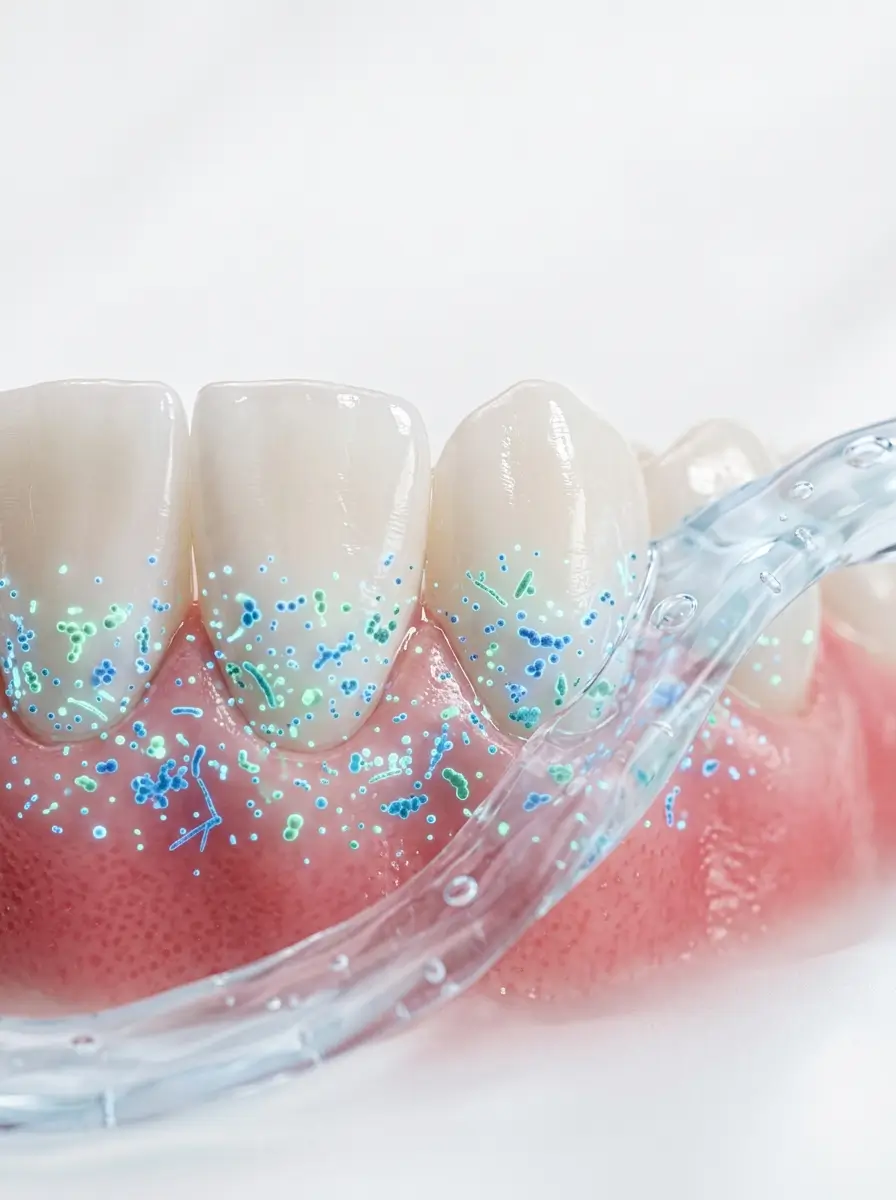
Understanding how mouthwash works, why beneficial bacteria matter, what current research suggests, when mouthwash may be appropriate, and how to support a balanced oral microbiome can help you make more informed decisions about your daily oral care routine.
Why Does Your Mouth Need Beneficial Bacteria?
For many years, oral care focused primarily on removing bacteria. Today, scientists recognize that the mouth contains hundreds of different microbial species that naturally coexist in a balanced ecosystem known as the oral microbiome.
Many of these microorganisms contribute to maintaining a healthy oral environment. When this balance is disrupted, the composition of the oral microbiome may change, which is why researchers are increasingly studying the relationship between microbial diversity and oral wellness.
Rather than viewing all bacteria as harmful, current research emphasizes the importance of maintaining a balanced microbial community.
To learn more about this ecosystem, explore our What Is the Oral Microbiome? guide.
How Does Mouthwash Work?
Most mouthwashes are designed to reduce the number of microorganisms in the mouth while helping control plaque, freshen breath, or address specific oral care needs.
Depending on the formulation, a mouthwash may contain antiseptic ingredients, fluoride, essential oils, or other compounds intended to support oral hygiene.
Because these products are formulated for different purposes, their effects on the oral microbiome may also differ. Some mouthwashes are intended for everyday use, while others are recommended only for short-term use under the guidance of a dental professional.
For this reason, researchers often evaluate individual ingredients and formulations rather than treating all mouthwashes as having the same effects.
What Does Current Research Suggest?
Recent research suggests that certain antiseptic mouthwashes may temporarily change the composition of the oral microbiome by reducing both beneficial and potentially harmful bacteria.
Several studies have observed short-term reductions in microbial diversity following the use of some antimicrobial mouthwashes. However, researchers continue to investigate how long these changes last and whether they have meaningful long-term effects on oral health.
Importantly, not all mouthwashes contain the same active ingredients, and not all studies evaluate the same products or usage patterns. Because of these differences, current evidence does not support broad conclusions about every type of mouthwash.
Overall, researchers agree that additional high-quality clinical studies are needed to better understand how different formulations influence the oral microbiome over time.
Can Mouthwash Harm the Oral Microbiome?
This is the central question—and the answer is more nuanced than a simple yes or no.
Current research suggests that some antiseptic mouthwashes may temporarily affect the balance of oral bacteria. However, this does not necessarily mean that mouthwash is harmful when used appropriately.
For many individuals, mouthwash remains an effective part of an oral hygiene routine, particularly when recommended by a dental professional for specific clinical situations.
Rather than avoiding mouthwash altogether, researchers increasingly encourage understanding when, why, and how different formulations should be used.
Should You Stop Using Mouthwash?
For most people, the answer is no.
Current research does not suggest that everyone should stop using mouthwash. Instead, scientists emphasize that the effects may depend on factors such as the type of mouthwash, how often it is used, and the individual’s oral health needs.
Some mouthwashes are formulated for everyday use, while others are designed for short-term use under the guidance of a dental professional. Following the manufacturer’s directions or your dentist’s recommendations remains the best approach.
Rather than eliminating mouthwash from your routine, consider using it as one component of a comprehensive oral hygiene plan.
How to Support a Healthy Oral Microbiome
Maintaining a healthy oral microbiome involves more than choosing the right mouthwash.
Research suggests that everyday habits play an important role in supporting a balanced oral environment. These include:
- Brushing twice daily with proper technique.
- Flossing every day.
- Staying well hydrated.
- Eating a balanced diet rich in fiber and whole foods.
- Limiting excessive sugar intake.
- Scheduling regular dental checkups.
- Considering Dental Probiotics as part of an overall oral wellness routine when appropriate.
Supporting the oral microbiome is best viewed as a long-term lifestyle approach rather than relying on any single product.
To learn more, explore our guides on Powerful Foods Rich in Natural Probiotics, Best Dental Probiotics, and How Oral Probiotics Work.
Think About Balance, Not Elimination
Rather than trying to eliminate all bacteria, focus on supporting a balanced oral microbiome through consistent daily habits. Brushing, flossing, proper hydration, balanced nutrition, and appropriate oral care products work together to promote long-term oral wellness.
Frequently Asked Questions About Mouthwash and the Oral Microbiome
The questions below explore what current research suggests about mouthwash, beneficial bacteria, and how different oral care habits may influence the oral microbiome.
Can mouthwash kill beneficial bacteria?
Some studies suggest that certain antiseptic mouthwashes may temporarily reduce both beneficial and potentially harmful bacteria. However, researchers continue to investigate how these changes may affect long-term oral wellness.
Should I use mouthwash every day?
The answer depends on the type of mouthwash and your individual oral care needs. Some formulations are intended for daily use, while others may be recommended only for short-term use under professional guidance.
Is alcohol-free mouthwash better for the oral microbiome?
Researchers continue to study how different mouthwash formulations influence the oral microbiome. At present, no single type of mouthwash is considered universally best for everyone.
Can mouthwash replace brushing and flossing?
No. Mouthwash is intended to complement—not replace—daily brushing, flossing, tongue cleaning, and regular dental checkups.
Does mouthwash affect dental probiotics?
Because some antiseptic mouthwashes reduce bacterial populations, researchers are investigating how they may interact with probiotic bacteria. More clinical research is needed to better understand this relationship.
How can I support a healthy oral microbiome?
Maintaining consistent oral hygiene, eating a balanced diet, staying hydrated, limiting added sugars, and following professional dental advice are all important steps. Our guides on oral probiotics and dental probiotics provide additional educational information.
Can Mouthwash Harm the Oral Microbiome? Final Thoughts
Can mouthwash harm the oral microbiome? Based on the current body of research, the answer is not a simple yes or no.
Some studies suggest that certain antiseptic mouthwashes may temporarily alter the balance of oral bacteria. However, researchers continue to investigate how significant these changes are and whether they have lasting clinical implications.
For most people, mouthwash can remain part of a healthy oral hygiene routine when used appropriately. The key is understanding that oral wellness is built on consistent daily habits—including brushing, flossing, healthy nutrition, hydration, and regular dental care—rather than relying on a single product.
As research into the oral microbiome continues to evolve, maintaining a balanced microbial environment is becoming an increasingly important part of modern oral health.
Scientific References and Further Reading
The information presented in this guide is based on peer-reviewed scientific publications and educational resources related to the oral microbiome and oral hygiene.
- Marsh PD. In Sickness and in Health – What Does the Oral Microbiome Mean to Us? Journal of Dental Research.
- National Center for Complementary and Integrative Health (NCCIH). Probiotics: What You Need To Know.
- American Dental Association (ADA). Mouthwash (Mouthrinse).
- Zaura E, et al. The Oral Microbiome: Diversity, Biogeography and Human Health. Nature Reviews Microbiology.
- PubMed Central. Oral Microbiome Research and Clinical Implications.
Want to explore this topic in greater depth? Our Complete Guide to Oral Microbiome Wellness explains how the oral microbiome works, what influences microbial balance, and the daily habits that may help support a healthier oral environment.
Read the Complete Guide →Recommended Reviews
Explore Our Top Oral Wellness Reviews
Looking for additional ways to support your oral wellness journey? Explore our in-depth reviews of some of the most popular oral health supplements and discover how they compare.
ProDentim

✅ Supports oral microbiome balance
✅ May help promote fresher breath
✅ Supports healthier gums
✅ Helps support daily oral wellness habits
✅ Designed to complement oral hygiene routines
ProvaDent
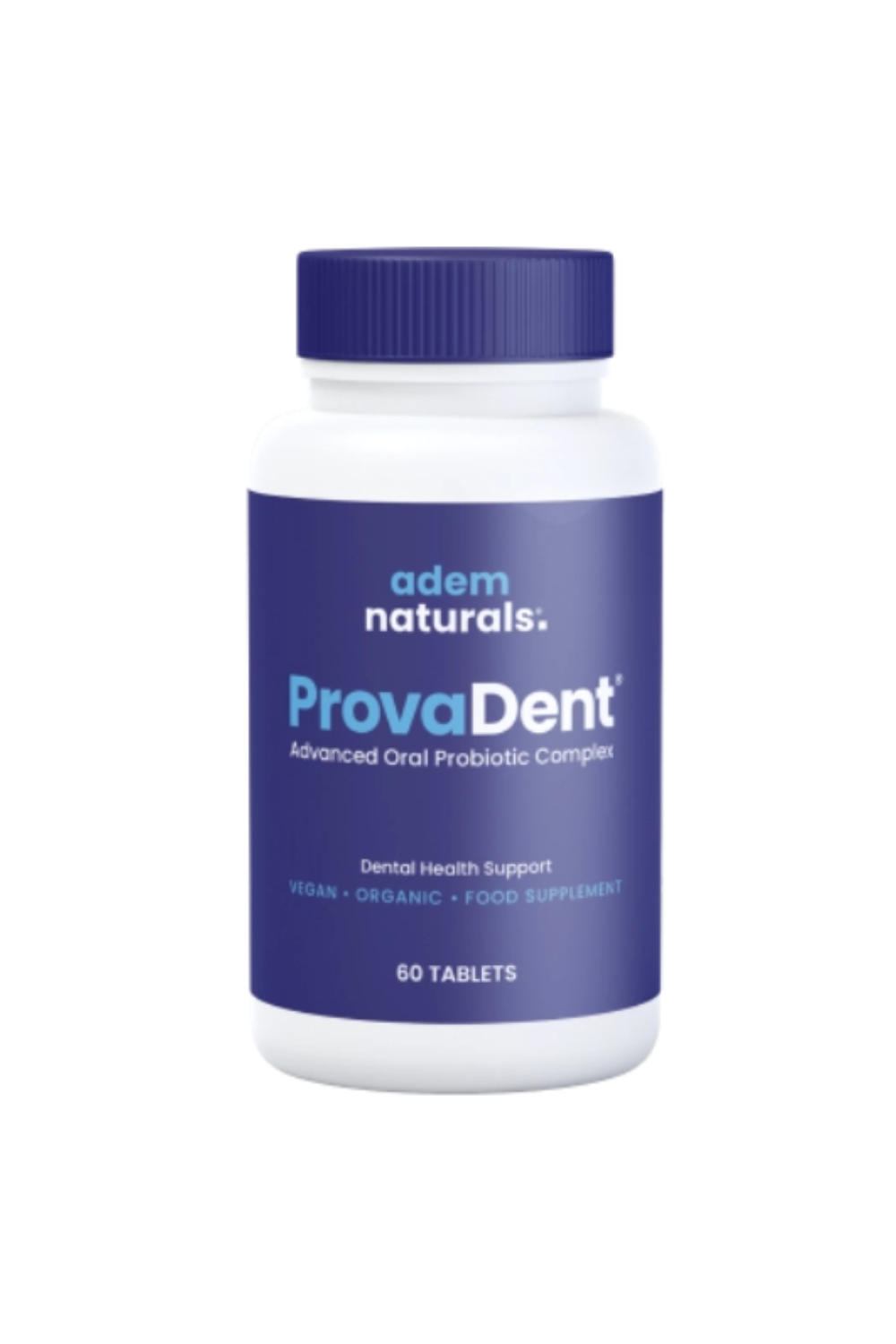
✅ Helps support fresher breath
✅ Supports healthier gums
✅ Promotes daily oral wellness habits
✅ Helps maintain a cleaner mouth feeling
✅ Complements brushing and flossing routines