What Is Oral Dysbiosis? Signs, Causes & What Research Says
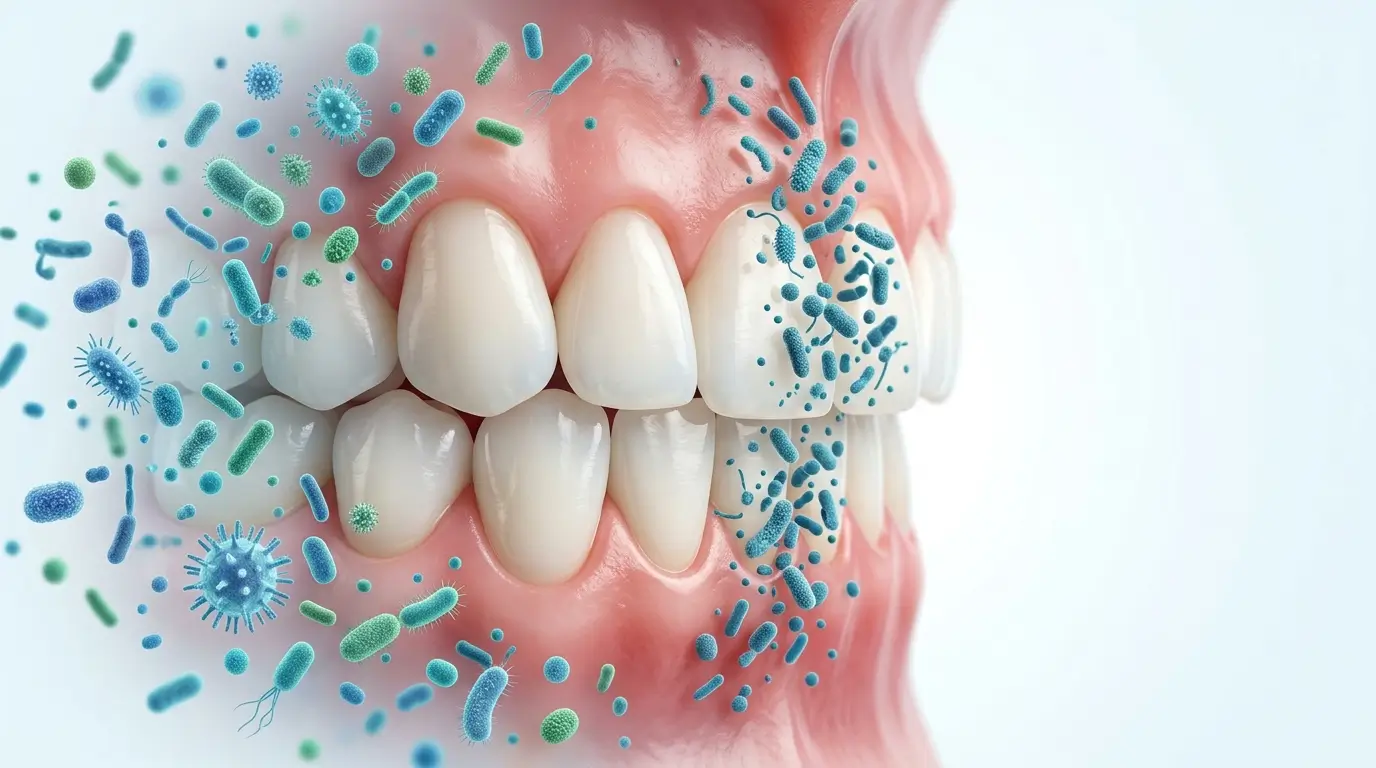
What is oral dysbiosis? In simple terms, oral dysbiosis describes a disruption in the balance of microorganisms that normally live in the mouth. Rather than being caused by the presence of bacteria alone, dysbiosis involves changes in the composition, abundance, or behavior of the microbial community.
This distinction matters because the mouth naturally contains hundreds of microbial species, and many are normal members of a healthy oral ecosystem. Problems may arise when environmental or lifestyle factors favor certain microorganisms and disrupt the relationships that help maintain microbial stability.
Diet, oral hygiene, saliva, smoking, medications, and other factors can all influence this environment. Researchers are continuing to investigate how these changes relate to oral health and how resilient the microbiome may be after a disturbance.
This guide explains oral dysbiosis, its possible causes and signs, what current research suggests, and everyday habits that may help support a balanced oral environment.
For the fundamentals, start with What Is the Oral Microbiome? A Beginner’s Guide to Better Oral Wellness.
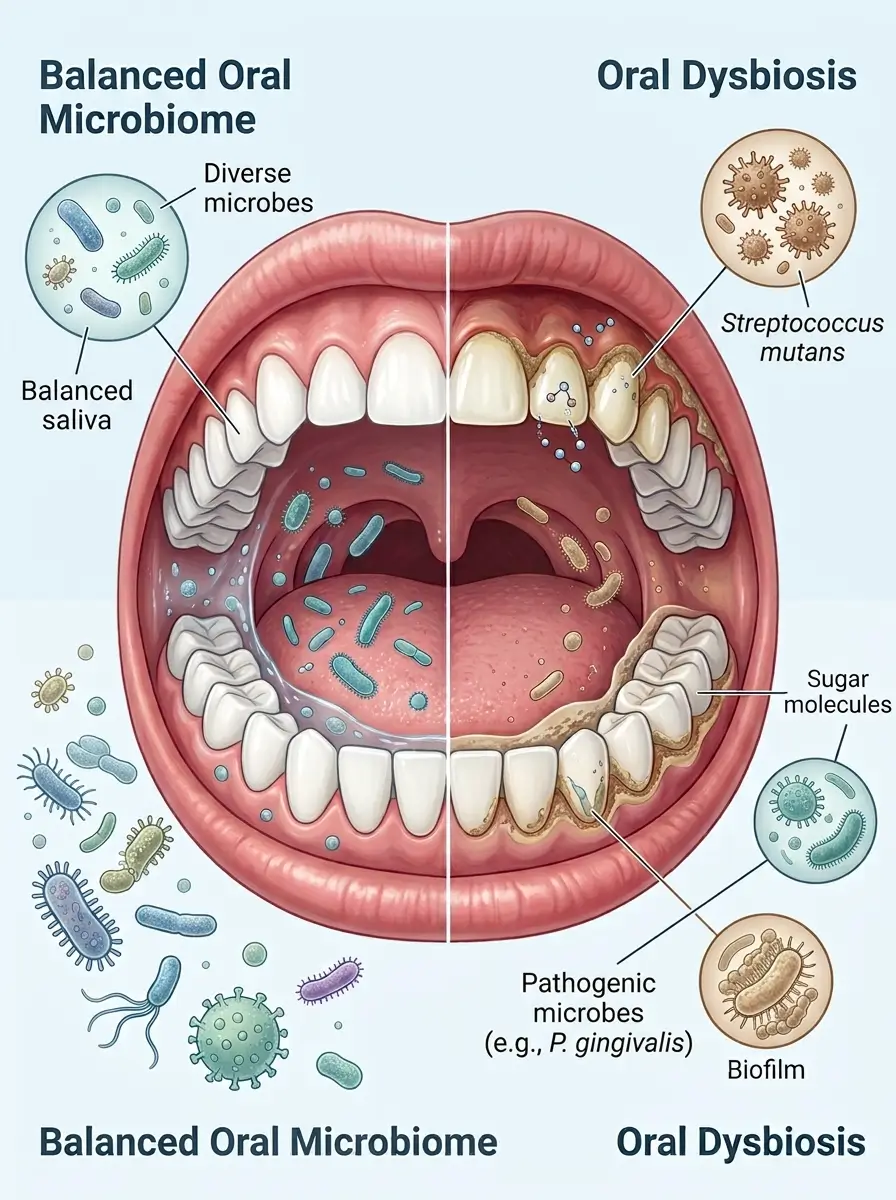
Oral dysbiosis refers to a shift away from a balanced oral microbial community. Diet, oral hygiene, saliva, smoking, medications, antibiotics, and other factors may influence this balance. Because the oral microbiome is dynamic, the goal should be to support a healthy oral environment through consistent daily habits rather than trying to eliminate all bacteria.
What Is Oral Dysbiosis?
Oral dysbiosis refers to an unfavorable change in the normally complex microbial ecosystem of the mouth.
A healthy oral microbiome is not sterile. It contains diverse communities of bacteria and other microorganisms living on the tongue, teeth, gums, cheeks, and in saliva. These organisms interact with one another and with their environment.
Dysbiosis occurs when that ecological balance shifts.
Importantly, this doesn’t necessarily mean that a completely new or “bad” bacterium has entered the mouth. Microorganisms already present at relatively low levels may become more dominant when environmental conditions change.
This ecological perspective is one reason modern oral microbiome research has moved beyond the simplistic idea of dividing every oral bacterium into either “good” or “bad.”
Our article 7 Signs Your Oral Microbiome May Be Unbalanced explores some of the changes people may notice when their oral environment is disrupted.
What Happens When the Oral Microbiome Becomes Unbalanced?
The microorganisms inside the mouth continuously interact with saliva, food, oxygen, oral surfaces, and one another.
When conditions remain relatively stable, these microbial communities can coexist within a dynamic ecosystem. However, environmental changes may favor certain organisms over others.
For example, frequent exposure to fermentable carbohydrates can change local conditions in dental plaque. Reduced saliva can also alter the oral environment because saliva helps with lubrication, buffering, cleansing, and other protective functions.
Over time, these ecological pressures may change which microorganisms thrive and how microbial communities behave.
This is why oral dysbiosis is better understood as an ecological shift rather than simply “having too many bacteria.”
For additional context, see How Saliva Supports Oral Health and How Sugar Affects the Oral Microbiome.
What Can Cause Oral Dysbiosis?
There isn’t one universal cause of oral dysbiosis. The oral microbiome is influenced by multiple biological, behavioral, and environmental factors.
Potential influences include:
- frequent intake of added sugars and fermentable carbohydrates;
- inconsistent oral hygiene;
- reduced saliva or persistent dry mouth;
- smoking and tobacco exposure;
- certain medications;
- antibiotic exposure;
- changes in diet;
- changes in oral conditions or dental health.
These factors do not guarantee that someone will develop an unhealthy oral microbiome. Instead, they may change the environment in ways that influence microbial composition.
Antibiotics are particularly interesting because they can affect bacterial populations beyond the infection being treated. Our Can Antibiotics Affect the Oral Microbiome? guide examines this topic and the current evidence in greater detail.
Oral Health Is About Ecology, Not Sterility
One important development in oral microbiome research is the recognition that a healthy mouth does not need to be bacteria-free. Researchers increasingly study oral health from an ecological perspective, considering the relationships among microorganisms, the host, and the surrounding oral environment.
This perspective helps explain why supporting a stable and balanced oral environment is generally a more practical goal than attempting to eliminate every microorganism in the mouth.
What Are the Common Signs of Oral Dysbiosis?
There is no single symptom that can reliably diagnose oral dysbiosis at home.
Changes that may occur alongside an altered oral environment include:
- persistent bad breath;
- changes in gum appearance or comfort;
- increased plaque accumulation;
- dry mouth;
- changes in taste;
- recurring oral discomfort.
However, these signs can have many different causes and should not automatically be interpreted as evidence of oral dysbiosis.
For example, persistent bad breath can be influenced by tongue coating, dry mouth, diet, smoking, dental conditions, and other factors. Bleeding or persistent gum changes can also require professional evaluation.
We’ve covered this distinction in more detail in 7 Signs Your Oral Microbiome May Be Unbalanced.
Oral Dysbiosis vs a Balanced Oral Microbiome
The difference between balance and dysbiosis is not simply the number of bacteria present. What matters is the overall microbial community and the environment in which it lives.
| Feature | Balanced Oral Microbiome | Oral Dysbiosis |
|---|---|---|
| Microbial Community | Relatively stable and diverse. | Composition or microbial behavior may shift. |
| Microbial Relationships | Microorganisms coexist within a relatively stable oral ecosystem. | Certain organisms or microbial communities may become disproportionately favored. |
| Oral Environment | Conditions generally support microbial stability. | Environmental pressures may favor ecological disruption. |
| Saliva | Normal saliva flow helps regulate and maintain the oral environment. | Reduced saliva may contribute to conditions that disrupt microbial balance. |
| Dietary Influence | Balanced eating patterns help support overall oral wellness. | Frequent sugar exposure may favor ecological changes within the oral environment. |
| Goal of Oral Care | Maintain a healthy and balanced oral environment. | Address contributing factors and support a healthier oral environment. |
The distinction is important because trying to eliminate bacteria indiscriminately isn’t the same as supporting a healthy microbiome.
Our recent guide Can Mouthwash Harm the Oral Microbiome? explores this issue in relation to antimicrobial mouthwashes.
What Does Current Research Say About Oral Dysbiosis?
Current research increasingly describes several oral conditions through an ecological framework in which changes in the microbial community and its environment interact.
Rather than identifying one microorganism as responsible for every change, researchers study microbial communities, biofilms, host responses, diet, saliva, pH, and other factors together.
This field is still evolving. Modern sequencing technologies have allowed scientists to identify far more microbial diversity than was possible using traditional culture methods alone, but determining exactly what constitutes an “ideal” microbiome for every individual remains challenging.
Individual variation is also important. Age, genetics, diet, geography, medications, oral hygiene, and health status can influence microbial composition.
For that reason, the presence or absence of one bacterial species usually provides an incomplete picture of oral microbial health.
Can Oral Dysbiosis Be Reversed?
The oral microbiome is dynamic, meaning its composition can change as conditions inside the mouth change. For this reason, oral dysbiosis should not necessarily be viewed as a permanent state.
However, saying that oral dysbiosis can simply be “reversed” may oversimplify a complex biological process. Current research describes the oral microbiome as an ecosystem influenced by factors such as saliva, diet, oral hygiene, inflammation, medications, smoking, and the different environments found throughout the mouth.
When contributing factors change, the microbial environment may also shift. The appropriate approach therefore depends on why the oral environment became disrupted in the first place.
For example, addressing persistent dry mouth, improving plaque control, reducing frequent sugar exposure, or stopping smoking may change some of the ecological pressures affecting oral microorganisms.
Importantly, persistent bleeding gums, pain, swelling, tooth mobility, or other concerning oral changes should be evaluated by a dental professional rather than treated as a microbiome problem alone.
How to Support a Balanced Oral Microbiome
Supporting microbial balance doesn’t require trying to eliminate every bacterium from your mouth. A more practical strategy is to maintain conditions that support overall oral health.
Consider these everyday habits:
- Brush your teeth twice daily with fluoride toothpaste.
- Clean between your teeth regularly.
- Clean your tongue as part of your oral hygiene routine.
- Stay adequately hydrated.
- Limit frequent exposure to added sugars.
- Eat a varied, balanced diet.
- Avoid smoking and tobacco products.
- Attend regular dental examinations and cleanings.
- Follow professional advice when using therapeutic mouthwashes or medications.
Saliva deserves particular attention because it helps regulate the oral environment through lubrication, clearance, buffering, and other protective functions.
You can explore this relationship further in How Saliva Supports Oral Health and learn about dietary influences in Foods That Support the Oral Microbiome.
Focus on the Environment, Not a “Perfect” Microbiome
There is no single microbial profile known to represent the perfect oral microbiome for everyone. Oral microbial communities naturally vary between individuals and even between different areas of the same mouth.
For everyday oral wellness, focusing on consistent hygiene, healthy saliva flow, balanced nutrition, professional dental care, and other modifiable habits is more practical than trying to achieve a specific bacterial composition.
Where Do Oral Probiotics Fit Into the Picture?
Interest in probiotics has grown alongside research into the oral microbiome. The basic concept is to use selected microorganisms to support a favorable microbial environment rather than indiscriminately removing microorganisms.
Research into microbiome-directed strategies—including probiotics and prebiotics—is ongoing, and their effects can depend on the particular strain, formulation, oral condition, and outcome being studied. Recent scientific literature continues to investigate these approaches, but they should not be interpreted as replacements for established oral hygiene or professional dental care.
If you want to understand the evidence in greater depth, read Do Dental Probiotics Really Work? What Current Research Says.
For readers considering a supplement, our How to Choose the Best Dental Probiotic guide explains what to evaluate without assuming that supplementation is necessary for everyone.
Want to explore this topic in greater depth? Our Complete Guide to Oral Microbiome Wellness explains how the oral microbiome works, what influences microbial balance, and the daily habits that may help support a healthier oral environment.
Read the Complete Guide →Frequently Asked Questions About Oral Dysbiosis
The questions below explain what oral dysbiosis means, which factors may influence the oral microbiome, and how everyday habits can help support a balanced oral environment.
What is oral dysbiosis?
Oral dysbiosis refers to a disruption in the normal ecological balance of the microorganisms living in the mouth. It can involve changes in microbial abundance, activity, interactions, or community structure rather than simply an increase in the total number of bacteria.
What causes oral dysbiosis?
There is no single cause. Factors associated with changes in the oral environment include diet, frequent sugar exposure, reduced saliva, poor oral hygiene, smoking, inflammation, certain medications, and other biological or lifestyle influences.
What are the signs of oral dysbiosis?
There is no single symptom that confirms oral dysbiosis. Bad breath, dry mouth, increased plaque, gum changes, or oral discomfort may occur alongside changes in the oral environment, but each can have many other causes. Our guide 7 Signs Your Oral Microbiome May Be Unbalanced explores these signs in more detail.
Is oral dysbiosis the same as gum disease?
No. Dysbiosis describes an ecological change in the microbial community, whereas gum diseases are clinical conditions involving the tissues surrounding the teeth. Research has investigated dysbiotic microbial communities in periodontal disease, but the relationship involves complex interactions among biofilms, environmental conditions, and the body’s response.
Can antibiotics cause oral dysbiosis?
Antibiotics can alter microbial communities because they may affect bacteria beyond the microorganisms responsible for an infection. The extent and duration of these changes can vary. Our guide Can Antibiotics Affect the Oral Microbiome? explores this topic in more detail.
Does sugar affect the oral microbiome?
Frequent exposure to fermentable carbohydrates can create ecological conditions that favor acid-producing and acid-tolerant microorganisms within dental biofilms. This is one reason dietary patterns are relevant when discussing microbial balance. Read How Sugar Affects the Oral Microbiome for additional information.
Can oral probiotics restore oral dysbiosis?
Current evidence does not support claiming that oral probiotics can reliably restore dysbiosis in everyone. Researchers continue to investigate specific probiotic strains and formulations for oral wellness, but outcomes vary. Oral probiotics should be considered complementary to—not replacements for—established oral hygiene practices and professional dental care.
How can I maintain a healthy oral microbiome?
Consistent brushing, interdental cleaning, adequate hydration, balanced nutrition, limiting frequent sugar exposure, avoiding tobacco, and receiving appropriate professional dental care are sensible foundations for supporting a healthy oral environment.
What Is Oral Dysbiosis? Final Thoughts
What is oral dysbiosis? It is best understood as an ecological disruption in the community of microorganisms that normally inhabits the mouth—not simply the presence of “bad bacteria.”
Modern microbiome research shows that the relationship between microorganisms, their environment, and the human host is considerably more complex than previously understood. A healthy oral ecosystem contains diverse microbial communities, and changes in diet, saliva, hygiene, medications, smoking, and other factors can influence that balance.
For most readers, the practical takeaway is straightforward: focus first on the foundations of oral wellness. Regular brushing and interdental cleaning, adequate hydration, balanced nutrition, limited sugar exposure, and routine dental care remain important. Our How to Maintain a Bright Smile: A Complete Oral Wellness Guide brings these habits together into a broader approach to long-term oral wellness.
Oral probiotic supplements such as those discussed in our product reviews may be considered by some adults as an additional part of an oral wellness routine, but they should not replace these established habits or necessary dental treatment.

Scientific References and Further Reading
Para este artigo, eu usaria estas quatro referências principais. Elas sustentam melhor o conteúdo do que uma lista longa e genérica.
1. Baker JL, Mark Welch JL, Kauffman KM, et al. — The Oral Microbiome: Diversity, Biogeography and Human Health. Nature Reviews Microbiology, 2024. É uma excelente referência geral sobre diversidade, ecologia e disbiose do microbioma oral.
Nature Reviews Microbiology — Baker et al.
2. Lamont RJ, Koo H, Hajishengallis G. — The Oral Microbiota: Dynamic Communities and Host Interactions. Nature Reviews Microbiology, 2018. Particularmente útil para explicar homeostase, disbiose e interação entre microbiota e hospedeiro.
Nature Reviews Microbiology — Lamont et al.
3. Kilian M, Chapple ILC, Hannig M, et al. — The Oral Microbiome: An Update for Oral Healthcare Professionals. British Dental Journal, 2016. Muito útil para os fatores que podem perturbar o equilíbrio do microbioma, incluindo saliva, higiene, dieta e tabagismo.
British Dental Journal — Kilian et al.
4. Luo SC, Wei SM, Luo XT, et al. — How Probiotics, Prebiotics, Synbiotics, and Postbiotics Prevent Dental Caries: An Oral Microbiota Perspective. npj Biofilms and Microbiomes, 2024. Útil especificamente para a seção sobre estratégias direcionadas ao microbioma e probióticos.
npj Biofilms and Microbiomes — Luo et al.
Continue Exploring the Oral Microbiome
Understanding dysbiosis is only one part of understanding the complex ecosystem inside your mouth.
Read our Oral Microbiome Wellness Guide to explore how oral bacteria, saliva, nutrition, daily habits, and other factors interact to support long-term oral wellness.
Recommended Reviews
Explore Our Top Oral Wellness Reviews
Looking for additional ways to support your oral wellness journey? Explore our in-depth reviews of some of the most popular oral health supplements and discover how they compare.
ProDentim

✅ Supports oral microbiome balance
✅ May help promote fresher breath
✅ Supports healthier gums
✅ Helps support daily oral wellness habits
✅ Designed to complement oral hygiene routines
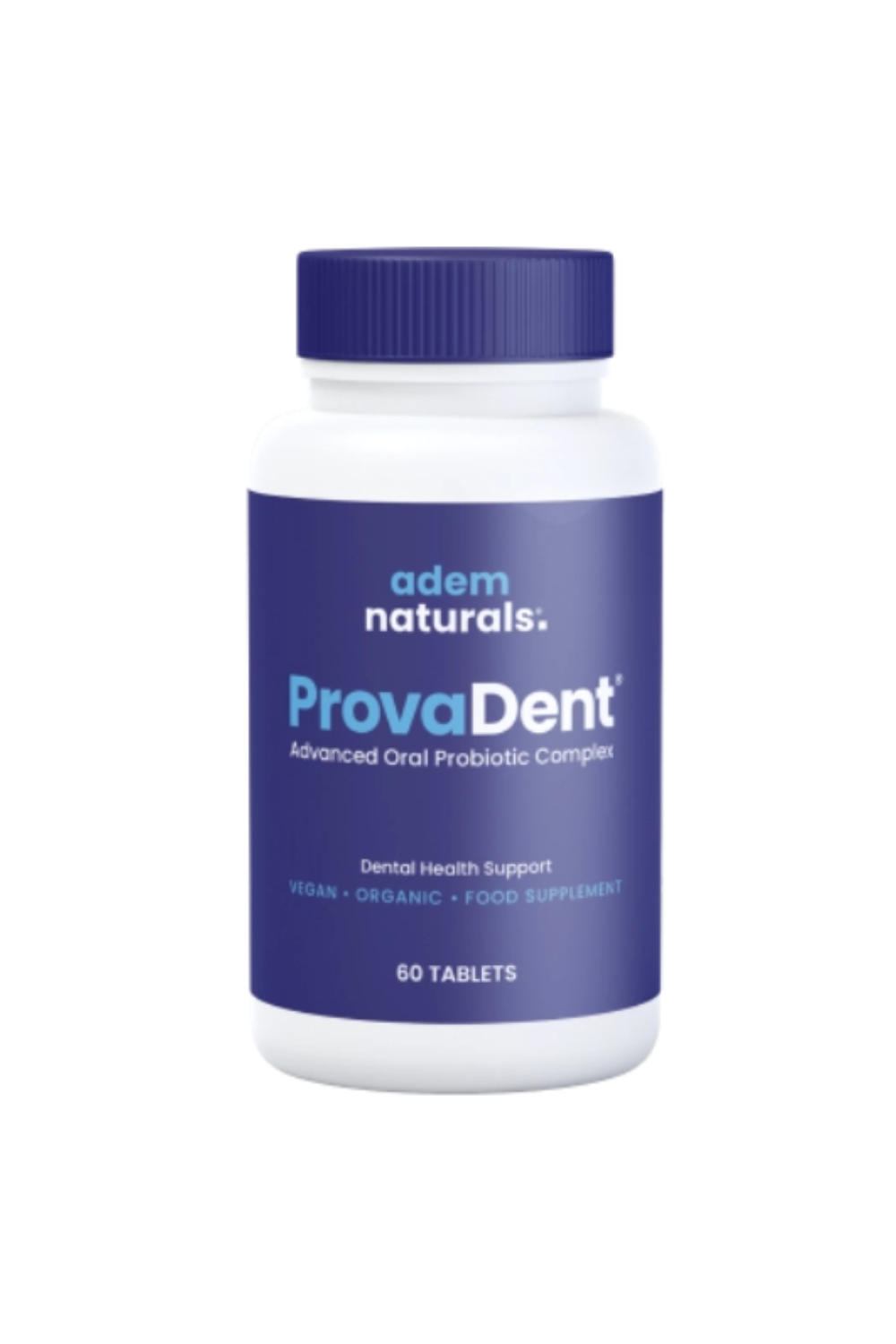
ProvaDent
✅ Helps support fresher breath
✅ Supports healthier gums
✅ Promotes daily oral wellness habits
✅ Helps maintain a cleaner mouth feeling
✅ Complements brushing and flossing routines

RELATED POSTS
Is BioDentex Legit? An Editorial Review of the Formula
When considering any dietary supplement, one of the first questions consumers ask is whether the product appears trustworthy and whether the manufacturer provides enough information to make an informed decision. Rather than looking for a simple yes-or-no answer, it’s helpful to evaluate several objective factors. These may include ingredient transparency, manufacturing information, quality standards, purchasing…
How to Choose the Best Dental Probiotic: A Practical Buying Guide
Choosing a dietary supplement can feel overwhelming, especially with so many products making similar promises. If you’ve been researching dental probiotics, you’ve probably noticed that many formulas highlight probiotic strains, ingredient blends, and manufacturing claims—but how do you know which factors truly matter? Understanding how to choose the best dental probiotic starts with looking beyond…
Is ProvaDent Legit? The Complete Truth About Its Formula, Transparency & Manufacturing
If you’ve been researching oral wellness supplements, you’ve probably come across the question: “Is ProvaDent legit?” It’s a common concern, especially when comparing products online or reading reviews from different sources. The answer isn’t simply yes or no. Evaluating whether a dietary supplement is legitimate involves looking beyond advertisements and considering factors such as ingredient…
BioDentex Side Effects: What You Should Know Before Taking It
Before trying any dietary supplement, it’s natural to wonder about BioDentex Side Effects and whether the product is appropriate for your individual needs. Like other oral wellness supplements, BioDentex is intended to complement a healthy daily routine rather than replace regular oral hygiene practices or professional dental care. Understanding how the product is intended to…
ProvaDent Ingredients: A Complete Guide to the Formula
Understanding the ingredients in any dietary supplement is one of the most important steps before deciding whether it fits your personal wellness goals. Rather than focusing on marketing claims, reviewing a product’s formula helps you compare supplements using objective criteria such as ingredient transparency, formulation approach, and manufacturing information. ProvaDent combines probiotic strains with complementary…
Can Antibiotics Affect the Oral Microbiome?
Antibiotics have transformed modern medicine by helping treat bacterial infections and prevent serious health complications. While these medications are often essential, researchers have also been studying how they may influence the communities of beneficial microorganisms that naturally live throughout the body—including those found in the mouth. This has raised an important question: Can antibiotics affect…