How Long Does It Take to Restore the Oral Microbiome? What Research Suggests
How long does it take to restore the oral microbiome? There is no universal timeline. The microbial communities inside the mouth are highly dynamic, and their ability to recover depends on what disrupted them in the first place, as well as factors such as oral hygiene, saliva, diet, medications, smoking, and overall oral health.
Research also suggests that “restoring” the oral microbiome is more complex than simply replacing so-called good bacteria. A healthy mouth contains diverse microbial communities that interact continuously with saliva, oral surfaces, diet, and the human host.
Some disturbances may be followed by relatively rapid microbial recovery, while others can produce changes that persist for much longer. This is why researchers increasingly focus on microbial resilience and ecological balance rather than defining a fixed recovery period.
In this guide, we’ll examine what current evidence suggests about oral microbiome recovery and the everyday factors that may help support a balanced oral environment.
If you’re unfamiliar with microbial imbalance, start with What Is Oral Dysbiosis? for a closer look at what happens when the oral ecosystem becomes disrupted.
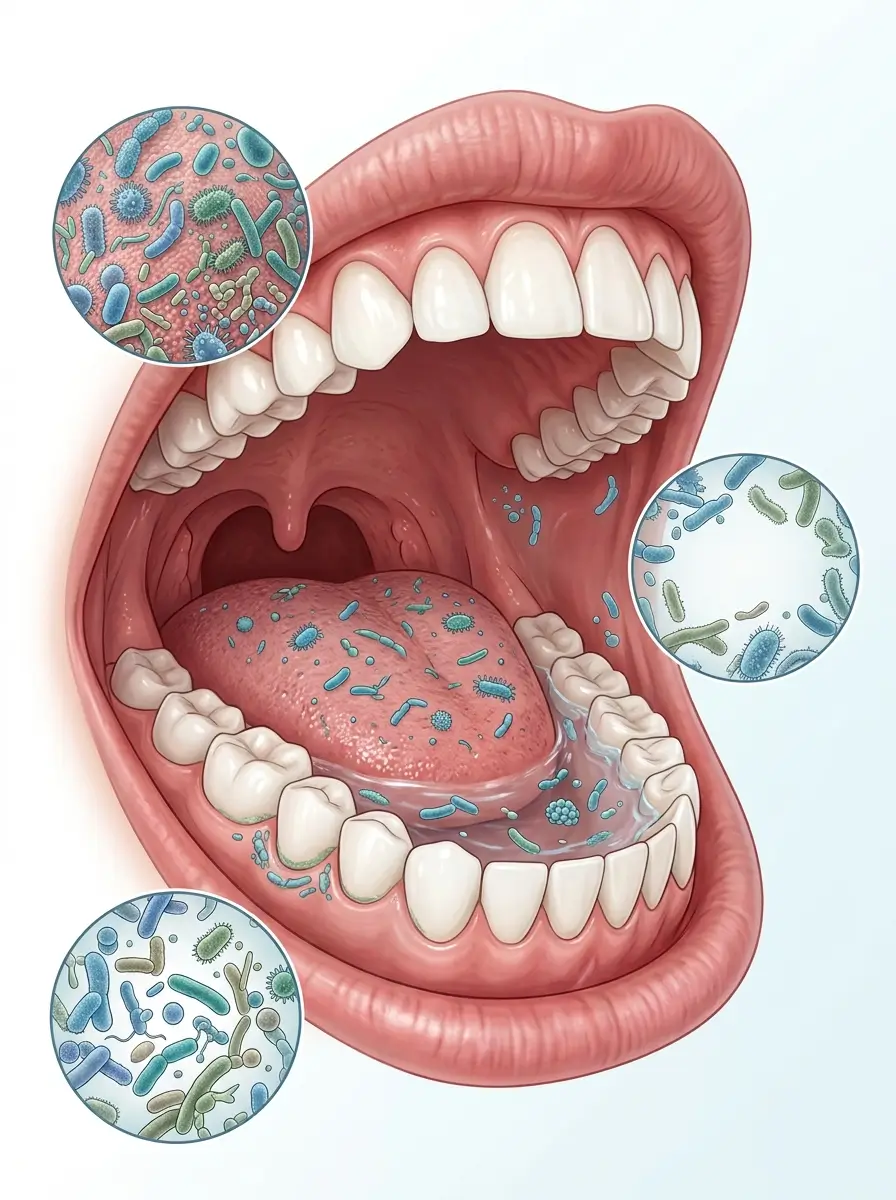
There is no fixed timeline for oral microbiome recovery. Oral microbial communities can show resilience after certain disturbances, while factors such as saliva, diet, oral hygiene, medications, antibiotics, smoking, and other environmental conditions may influence the process. The practical goal is to support a stable oral environment rather than trying to achieve a supposedly “perfect” bacterial profile.
How Long Does It Take to Restore the Oral Microbiome?
There is currently no scientifically established number of days or weeks required to restore the oral microbiome.
The timeline depends heavily on the type of disturbance.
For example, research examining antibiotic exposure has found that the salivary microbiome can be relatively resilient and may recover more readily than the gut microbiome after antibiotic treatment.
However, recovery does not always follow the same pattern.
Research involving people treated for periodontal disease and dental caries has found that differences in the salivary microbiome may remain even several months after clinical remission.
These findings illustrate an important point: microbiome recovery depends on context.
Rather than asking whether everyone can restore their oral microbiome within 7, 14, or 30 days, it is more accurate to consider what caused the disruption and whether those environmental pressures are still present.
What Does “Restoring” the Oral Microbiome Actually Mean?
The word “restore” can give the impression that scientists know exactly what every person’s oral microbiome should look like.
They don’t.
Microbial composition naturally varies between individuals and between different locations within the same mouth. The microorganisms living on the tongue, for example, do not necessarily form the same community as those living in dental plaque or around the gums.
For this reason, restoring the oral microbiome is better understood as supporting ecological stability and resilience rather than attempting to achieve one specific combination of bacterial species.
A balanced oral environment allows microbial communities and the host to coexist without conditions consistently favoring disease-associated ecological shifts.
Our What Is the Oral Microbiome? guide explains this ecosystem in greater detail.
What Can Disrupt the Oral Microbiome?
Many factors can influence the environment in which oral microorganisms live.
Potential influences include:
- frequent exposure to added sugars and fermentable carbohydrates;
- inadequate plaque control;
- persistent dry mouth or reduced saliva;
- smoking and tobacco exposure;
- antibiotic use;
- certain medications;
- changes in diet;
- inflammation and oral disease;
- changes in oral hygiene practices.
These factors don’t necessarily affect everyone in exactly the same way.
For example, frequent sugar exposure can create environmental conditions that favor acid-producing and acid-tolerant microorganisms in dental biofilms. Reduced saliva may affect clearance, lubrication, and buffering inside the mouth.
This ecological perspective is important because microbial imbalance is often influenced by the environment surrounding microorganisms—not simply by the presence of individual bacterial species.
Explore How Sugar Affects the Oral Microbiome, How Saliva Supports Oral Health, and Can Mouthwash Harm the Oral Microbiome? for deeper explanations of these individual factors.
How Does the Oral Microbiome Recover After Antibiotics?
Antibiotics provide one of the clearest examples of why a single recovery timeline cannot be applied to everyone.
Because antibiotics can affect bacteria beyond those responsible for an infection, treatment may temporarily alter microbial communities throughout the body.
However, the oral microbiome appears to have considerable resilience.
One longitudinal study following participants for up to 12 months after exposure to several classes of antibiotics found that the salivary microbiome was comparatively robust and recovered more readily than the gut microbiome.
That doesn’t mean antibiotics have no effect on oral bacteria. Instead, it demonstrates that microbial ecosystems in different parts of the body can respond differently to the same disturbance.
The type of antibiotic, duration of treatment, baseline microbiome, and individual characteristics may all influence what happens afterward.
For a complete discussion, read Can Antibiotics Affect the Oral Microbiome?
Recovery Is About Resilience
Microbiome researchers increasingly use the concept of resilience to describe an ecosystem’s ability to resist disruption or move toward a stable state after environmental pressure. In the mouth, this resilience may be influenced by factors such as saliva, pH, nutrient availability, plaque accumulation, inflammation, and interactions among microorganisms.
For this reason, oral microbiome recovery is not necessarily best viewed as a fixed countdown. A more useful perspective is whether the factors contributing to microbial imbalance have been addressed and whether the oral environment can support a more stable microbial balance over time.
What Factors Can Influence Oral Microbiome Recovery?
Several factors may influence how the oral environment changes following a disturbance.
✅ Saliva
Saliva contributes to lubrication, microbial clearance, buffering, mineral balance, and other protective processes. Persistent dry mouth can therefore change the environment in which microorganisms live.
Learn more in How Saliva Supports Oral Health.
✅ Diet
Diet influences the nutrients available to oral microorganisms. Frequent sugar exposure is particularly relevant because carbohydrate fermentation can influence local acidity within dental biofilms.
✅ Oral Hygiene
Brushing and interdental cleaning help control plaque accumulation while supporting established oral hygiene recommendations.
The objective is not to sterilize the mouth but to manage biofilm and maintain healthy oral conditions.
✅ Smoking
Smoking can influence both the oral environment and microbial community structure, making tobacco avoidance an important component of overall oral wellness.
✅ The Original Cause of the Imbalance
Perhaps most importantly, recovery depends on what caused the disruption.
An antibiotic-associated microbial shift, persistent dry mouth, frequent sugar exposure, and periodontal disease represent very different biological circumstances and therefore should not be expected to follow identical recovery timelines.
Daily Habits That May Support a Balanced Oral Microbiome
There is no proven shortcut for rebuilding an oral microbiome overnight.
Instead, focus on maintaining conditions associated with good oral health:
- Brush twice daily with fluoride toothpaste.
- Clean between the teeth regularly.
- Maintain adequate hydration.
- Clean the tongue appropriately.
- Eat a varied, balanced diet.
- Limit frequent added-sugar exposure.
- Avoid smoking and tobacco.
- Attend regular dental examinations.
- Address persistent dry mouth with appropriate professional guidance.
- Use therapeutic oral products according to professional or manufacturer instructions.
These habits support the oral environment as a whole rather than attempting to manipulate individual bacterial species.
Our Best Daily Habits for Oral Health guide explores these foundations in greater detail.
Can Probiotics Help Support the Oral Microbiome?
Oral probiotics have attracted growing interest because they take a different approach from products designed primarily to reduce microorganisms. Instead, probiotic strategies aim to introduce selected microorganisms that may interact with the existing oral microbial community.
Current research suggests that the effects of oral probiotics are strain-specific and depend on factors such as the formulation, duration of use, oral environment, and outcome being studied. Reviews have reported potential effects on microbial composition and certain oral-health markers, but the evidence does not establish that probiotics can universally or permanently “restore” the oral microbiome. (PubMed Central (PMC))
For this reason, oral probiotics are better viewed as a possible complement to established oral wellness habits, rather than a replacement for brushing, interdental cleaning, balanced nutrition, or professional dental care.
To explore the evidence in greater detail, read Do Dental Probiotics Really Work? What Current Research Says. Readers considering a supplement can also consult How to Choose the Best Dental Probiotic: A Practical Buying Guide.
Oral Microbiome Recovery vs. Quick-Fix Approaches
Supporting the oral microbiome is fundamentally different from trying to eliminate microorganisms or produce an immediate change. A long-term approach focuses on the entire oral ecosystem and the daily factors that help maintain a stable environment.
| Feature | Supporting Microbial Balance | Quick-Fix Approach |
|---|---|---|
| Primary Goal | Maintain a stable and balanced oral environment. | Produce an immediate or short-term change. |
| Time Frame | Ongoing and supported by consistent daily habits. | Usually focused on short-term results. |
| Focus | Considers the oral ecosystem as a whole. | Often focuses on an individual symptom or microorganism. |
| Key Factors | Oral hygiene, saliva, diet, lifestyle, and professional dental care. | Typically relies on a single intervention or strategy. |
| Microbial Diversity | Recognizes that diverse microorganisms naturally inhabit the mouth. | May overlook the complexity of microbial ecology. |
| Long-Term Strategy | Consistent healthy habits that support a stable oral environment. | May not address the underlying factors contributing to microbial imbalance. |
The oral microbiome is a complex ecosystem rather than something that can necessarily be “reset” with a single food, mouthwash, supplement, or short-term intervention. Supporting long-term microbial balance involves maintaining an oral environment where healthy microbial communities can remain relatively stable.
Be Cautious With “Microbiome Reset” Claims
Products and online wellness programs sometimes suggest that the oral microbiome can be completely “reset,” “repopulated,” or “restored” within a specific number of days. Current evidence, however, does not establish a universal timeline for this type of microbiome recovery.
Research into microbiome-directed approaches—including probiotics, prebiotics, synbiotics, and postbiotics—continues to evolve. While some findings are promising, outcomes vary according to the intervention, population, and condition studied, and the available evidence remains heterogeneous.
At Bright Smile Guide, we therefore prefer evidence-aware language such as “support microbial balance” and “support a healthy oral environment” rather than promising that a product or intervention can completely reset the oral microbiome.
When Should You Talk to a Dental Professional?
Changes in breath, taste, saliva, gums, or plaque do not necessarily mean that your oral microbiome is “damaged.”
Many common dental and oral conditions can produce similar symptoms.
Consider professional dental evaluation if you experience persistent:
- bleeding or swollen gums;
- tooth or gum pain;
- significant dry mouth;
- persistent bad breath despite good oral hygiene;
- loose teeth;
- unusual oral lesions;
- changes that continue or worsen over time.
A dentist can evaluate possible underlying causes rather than assuming that every oral change results from microbiome imbalance.
Want to explore this topic in greater depth? Our Complete Guide to Oral Microbiome Wellness explains how the oral microbiome works, what influences microbial balance, and the daily habits that may help support a healthier oral environment.
Read the Complete Guide →Frequently Asked Questions About Restoring the Oral Microbiome
The questions below explain what current research suggests about oral microbiome recovery, microbial resilience, antibiotics, probiotics, diet, and the everyday habits that may help support a balanced oral environment.
How long does it take to restore the oral microbiome?
There is no scientifically established recovery period that applies to everyone. The timeline may depend on what caused the microbial disruption, medications, saliva, diet, oral hygiene, and individual biological factors. It is more accurate to think in terms of microbial resilience than a fixed number of days.
Can the oral microbiome restore itself naturally?
Oral microbial communities can demonstrate resilience after certain disturbances. However, returning exactly to a previous microbial composition is not necessarily required or guaranteed. The oral microbiome is dynamic and naturally varies over time and between different areas of the mouth.
How do I know if my oral microbiome is unbalanced?
There is no simple home symptom that confirms oral dysbiosis. Persistent bad breath, dry mouth, gum changes, plaque accumulation, or changes in taste can occur for many different reasons. Our 7 Signs Your Oral Microbiome May Be Unbalanced guide explains these signs and their limitations in more detail.
How long does the oral microbiome take to recover after antibiotics?
There is no universal timeline. Research suggests that the salivary microbiome can demonstrate substantial resilience after antibiotic exposure, but responses may vary according to the antibiotic, duration of treatment, baseline microbiome, and individual characteristics. Our Can Antibiotics Affect the Oral Microbiome? guide explores this topic in greater detail.
Can oral probiotics restore beneficial bacteria?
Certain probiotic strains are being studied for their ability to influence oral microbial communities. Some studies report changes in microbial markers or specific oral conditions, but effects can be temporary and strain-specific. Current evidence does not establish that probiotics can universally rebuild an individual’s entire oral microbiome.
What foods may support a healthy oral microbiome?
A varied diet containing vegetables, fruits, fiber-rich foods, and other minimally processed foods can form part of a healthy oral wellness routine. Limiting frequent exposure to added sugars is also important because repeated carbohydrate fermentation can alter conditions within dental biofilms. Our Foods That Support the Oral Microbiome guide explores this topic further.
Can mouthwash disrupt the oral microbiome?
Different mouthwash formulations contain different ingredients and serve different purposes, so they should not be assumed to have identical effects on the oral microbiome. Antimicrobial products can influence oral microorganisms, which is why therapeutic mouthwashes should be used according to their directions or professional guidance. Our Can Mouthwash Harm the Oral Microbiome? article examines this question in more detail.
What is the best way to support oral microbiome recovery?
There is no single intervention proven to restore everyone’s oral microbiome. A sensible approach is to maintain established oral-health foundations, including consistent brushing, interdental cleaning, adequate hydration, balanced nutrition, limited frequent sugar exposure, tobacco avoidance, and appropriate professional dental care.
How Long Does It Take to Restore the Oral Microbiome? Final Thoughts
How long does it take to restore the oral microbiome? Current evidence does not provide a universal answer.
The oral microbiome is a dynamic ecosystem, and its response to disruption depends on the cause, the individual’s existing microbial community, saliva, diet, hygiene, medications, smoking, oral health, and many other factors.
Instead of trying to achieve a complete “microbiome reset” within a specific number of days, focus on creating an oral environment that supports long-term microbial stability. Regular brushing and interdental cleaning, adequate hydration, balanced nutrition, limited frequent sugar exposure, and routine dental care remain the foundation.
For a broader look at how these habits work together to support teeth, gums, fresh breath, and overall oral wellness, continue with our How to Maintain a Bright Smile: A Complete Oral Wellness Guide.
Oral probiotic supplements may also interest some adults as an additional part of their oral wellness routine. However, current research supports evaluating probiotics by their specific strains and evidence rather than assuming that every probiotic product will restore the oral microbiome. (PubMed Central (PMC))
Scientific References and Further Reading
The following resources provide additional scientific context on oral microbial ecology, probiotics, dysbiosis, and microbiome-directed approaches:
- Luo SC, Wei SM, Luo XT, et al. — How Probiotics, Prebiotics, Synbiotics, and Postbiotics Prevent Dental Caries: An Oral Microbiota Perspective. npj Biofilms and Microbiomes. (Nature)
Read the review at Nature - Puzhankara L, et al. — Effectiveness of Probiotics Compared to Antibiotics to Treat Periodontal Disease: Systematic Review. Oral Diseases. (PubMed)
View the study on PubMed - Streptococcus dentisani as an Oral Probiotic: A Systematic Review of Clinical Evidence on pH Modulation and Microbiota Shifts. This review highlights both potential microbiome effects and limitations in the current clinical evidence. (PubMed Central (PMC))
Read the systematic review on PubMed Central - Comparative Effectiveness of Probiotics, Prebiotics, Synbiotics, and Postbiotics in Preventing Dental Caries: A Meta-analysis From an Oral Microbiota Modulation Perspective. BMC Oral Health, 2026. (Springer Nature Link)
Read the 2026 meta-analysis
Want to explore this topic in greater depth? Our Complete Guide to Oral Microbiome Wellness explains how the oral microbiome works, what influences microbial balance, and the daily habits that may help support a healthier oral environment.
Read the Complete Guide →Recommended Reviews
Explore Our Top Oral Wellness Reviews
Looking for additional ways to support your oral wellness journey? Explore our in-depth reviews of some of the most popular oral health supplements and discover how they compare.
ProDentim

✅ Supports oral microbiome balance
✅ May help promote fresher breath
✅ Supports healthier gums
✅ Helps support daily oral wellness habits
✅ Designed to complement oral hygiene routines
ProvaDent
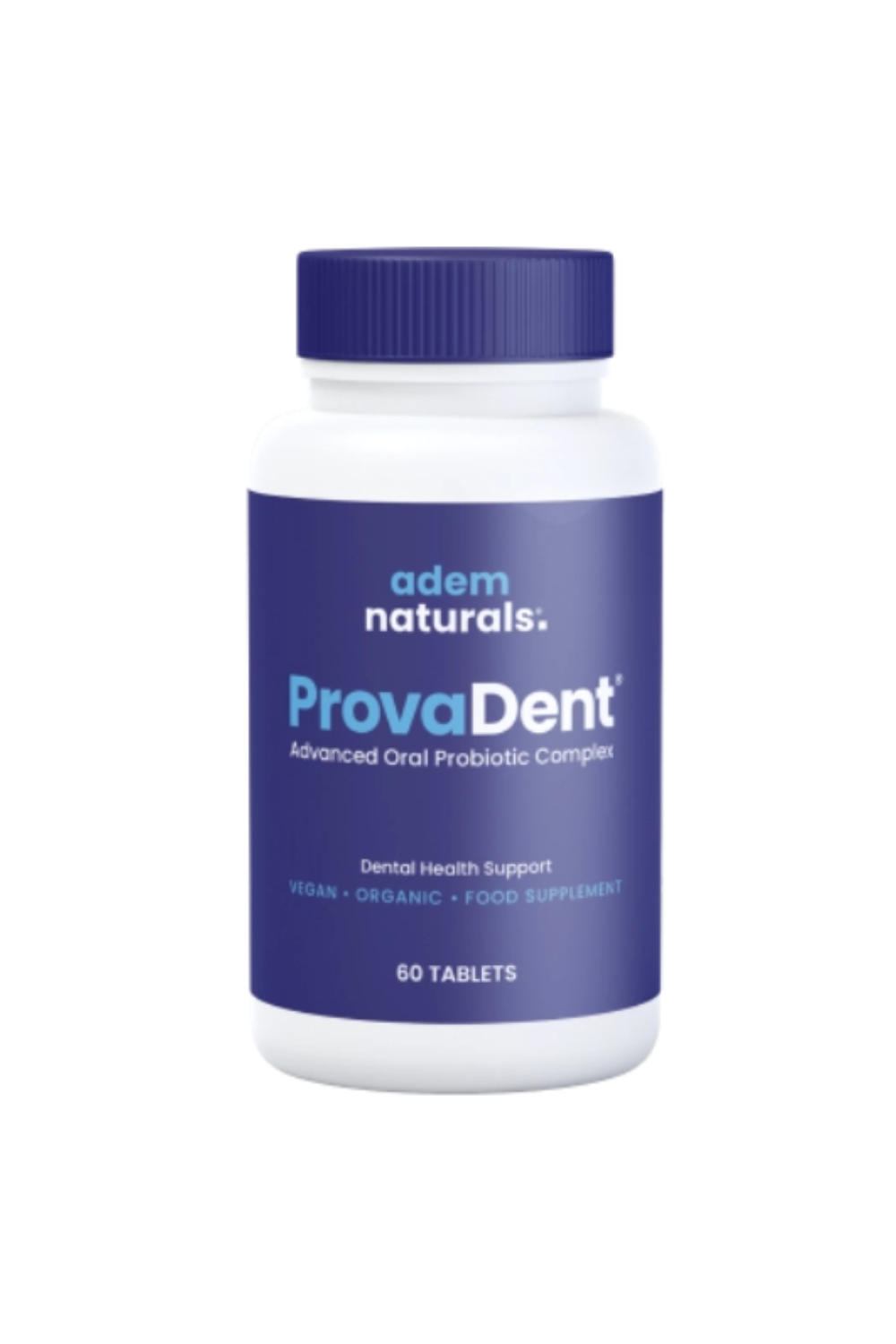
✅ Helps support fresher breath
✅ Supports healthier gums
✅ Promotes daily oral wellness habits
✅ Helps maintain a cleaner mouth feeling
✅ Complements brushing and flossing routines

RELATED POSTS
How Does ProvaDent Work? The Complete Science Explained
When researching an oral wellness supplement, one of the most common questions people ask is: “How does ProvaDent work?” Understanding how a product is designed can help consumers make more informed decisions and compare different formulations beyond marketing claims. Rather than focusing on a single ingredient, ProvaDent combines probiotics, botanical ingredients, organic xylitol, and a…
Advanced Oral Probiotics: What They Are and Why They Matter
Advanced oral probiotics have become an increasingly popular topic in discussions surrounding oral wellness and the oral microbiome. As scientific interest in beneficial bacteria continues to grow, many consumers are seeking to better understand how modern oral probiotic products differ from traditional probiotic supplements. Researchers continue studying the oral microbiome and the role microorganisms may…
ProvaDent Ingredients: A Complete Guide to the Formula
Understanding the ingredients in any dietary supplement is one of the most important steps before deciding whether it fits your personal wellness goals. Rather than focusing on marketing claims, reviewing a product’s formula helps you compare supplements using objective criteria such as ingredient transparency, formulation approach, and manufacturing information. ProvaDent combines probiotic strains with complementary…
Is BioDentex Legit? An Editorial Review of the Formula
When considering any dietary supplement, one of the first questions consumers ask is whether the product appears trustworthy and whether the manufacturer provides enough information to make an informed decision. Rather than looking for a simple yes-or-no answer, it’s helpful to evaluate several objective factors. These may include ingredient transparency, manufacturing information, quality standards, purchasing…
Do Dental Probiotics Really Work? What Current Research Says
As interest in the oral microbiome continues to grow, more people are asking the same question: Do dental probiotics really work? Unlike traditional oral care products that focus primarily on removing bacteria, dental probiotics are designed to support the natural balance of beneficial microorganisms that live in the mouth. This different approach has attracted growing…
ProvaDent Benefits: Understanding the Potential Benefits for Oral Wellness
When researching an oral wellness supplement, one of the first questions people ask is: What are the potential ProvaDent benefits? Like many dietary supplements, ProvaDent is designed to complement healthy daily habits rather than replace them. The formula combines probiotics, botanical ingredients, organic xylitol, and a proprietary ingredient blend as part of an approach focused…